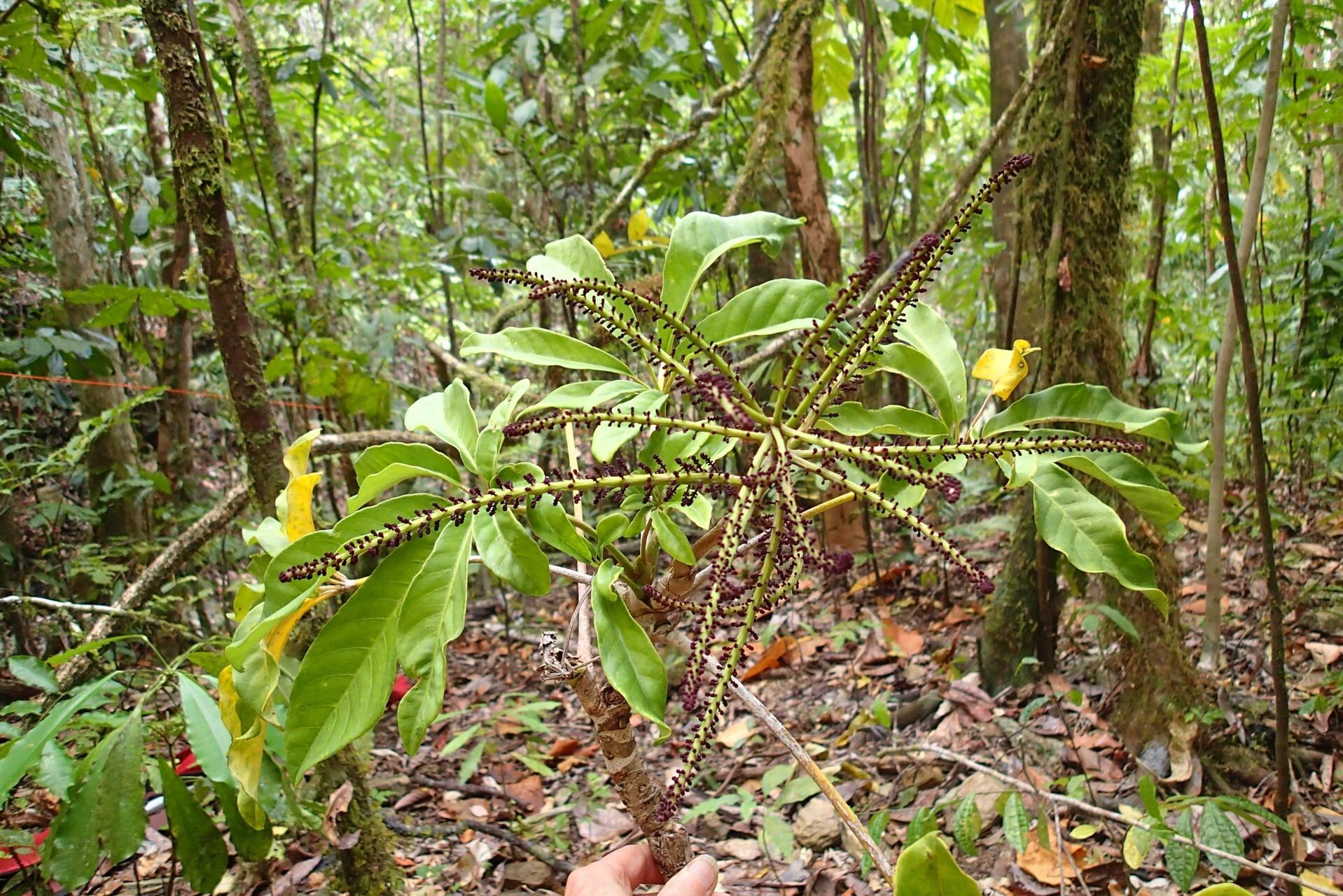
Hey there, fellow plant lovers! Today, we’re diving into the wonderful world of propagating Schefflera vieillardii. If you’ve ever admired those beautiful, glossy leaves and unique branching patterns of this tropical gem, you’ll be thrilled to know you can easily multiply your collection. It’s incredibly satisfying to snip a piece from your beloved plant and watch it transform into a brand new, independent being. For a beginner, Schefflera vieillardii propagation is quite forgiving, which is great news!
The Best Time to Start
The sweet spot for propagating Schefflera vieillardii is during its active growing season, which typically falls in late spring and summer. This is when the plant has abundant energy to produce new growth and readily form roots. You’ll have the most success when taking cuttings from healthy, mature stems that aren’t flowering.
Supplies You’ll Need
Gathering your tools beforehand makes the whole process smooth sailing. Here’s what I always have on hand:
- Sharp Pruning Shears or a Craft Knife: For clean cuts that heal quickly.
- Rooting Hormone: While not always strictly necessary for Schefflera, it can give your cuttings a helpful boost. Gel or powder forms work well.
- Well-Draining Potting Mix: A blend of peat moss, perlite, and a bit of compost is ideal. You can also use a standard houseplant mix with extra perlite added.
- Small Pots or Propagation Trays: With drainage holes, of course!
- Plastic Bags or a Small Greenhouse: To maintain humidity around your cuttings.
- Clear Water: For water propagation.
- Labels and a Marker: To keep track of your projects.
Propagation Methods
Let’s get our hands dirty! Here are a couple of tried-and-true methods for multiplying your Schefflera vieillardii.
Stem Cuttings
This is my go-to method, and it works like a charm.
- Take a Cutting: Choose a healthy stem that’s at least 4-6 inches long. Using your sharp shears or knife, make a clean cut just below a leaf node (where a leaf emerges from the stem). You want to end up with several healthy leaves still attached to the cutting.
- Prepare the Cutting: Gently remove the lower leaves, leaving just two or three at the top. If the leaves are very large, I’ll often cut them in half to reduce water loss.
- Apply Rooting Hormone (Optional): Dip the cut end of the stem into your rooting hormone, tapping off any excess.
- Plant Your Cuttings: Fill your small pots with the well-draining potting mix. Make a hole in the center with your finger or a pencil, then insert the cutting. Gently firm the soil around the base.
- Provide Humidity: Water the soil lightly, and then cover the pot with a clear plastic bag or place it in a mini-greenhouse. This creates a humid environment that encourages root development. Make sure the leaves don’t touch the plastic.
Water Propagation
This method is super visual and satisfying.
- Take a Cutting: Follow the same steps as above for taking and preparing your stem cuttings.
- Place in Water: Fill a clean jar or glass with lukewarm water. Submerge the cut end of the stem, ensuring that at least one leaf node is underwater. Crucially, make sure no leaves are submerged. Excess foliage in the water will only lead to rot.
- Find a Spot: Place the container in a bright location, but out of direct sunlight.
- Change Water Regularly: Change the water every few days to keep it fresh and prevent bacterial growth. You’ll start to see tiny root nubs appearing in a few weeks!
The “Secret Sauce” (Pro Tips)
Here are a few things I’ve learned over the years that make a big difference:
- Bottom Heat is Your Friend: If you’re using soil propagation and want to speed things up, place your pots on a heating mat. This consistently warm soil temperature encourages root formation much faster than ambient room temperature alone.
- Don’t Be Afraid to Prune: Sometimes, if a cutting seems to be struggling or looking leggy, a little pinch-back of the new growth can encourage it to bush out and put more energy into root development.
- Patience with Water Propagation: For water propagation, sometimes the roots can be a bit delicate. Wait until the roots are at least an inch or two long before attempting to transplant them into soil.
Aftercare & Troubleshooting
Once you see signs of new growth (a tiny new leaf or stem emerging) or feel some resistance when gently tugging on the cutting, your Schefflera has rooted!
- Transitioning from Water: If you propagated in water, gently transplant your rooted cutting into a pot with well-draining soil. Water thoroughly and continue to keep the humidity high for the first week or two.
- Caring for Potted Cuttings: If you potted directly, gradually acclimate your cuttings to lower humidity by opening the plastic bag a little each day over a week. Keep the soil consistently moist but not waterlogged.
- Common Issues: The most common problem is rot. This usually happens if the soil stays too wet, or if leaves are submerged in water. If you see stem rot (mushy, dark sections), sadly, that cutting is usually a goner. Yellowing leaves can indicate overwatering or not enough light.
A Encouraging Closing
Propagating plants is a journey of observation and learning, and Schefflera vieillardii is a wonderful plant to practice on. Don’t get discouraged if every single cutting doesn’t make it – that’s completely normal! Celebrate your successes, learn from any setbacks, and most importantly, enjoy the rewarding process of growing new life. Happy propagating!
Resource:
https://identify.plantnet.org/k-world-flora/species/Schefflera%20vieillardii%20Baill./data