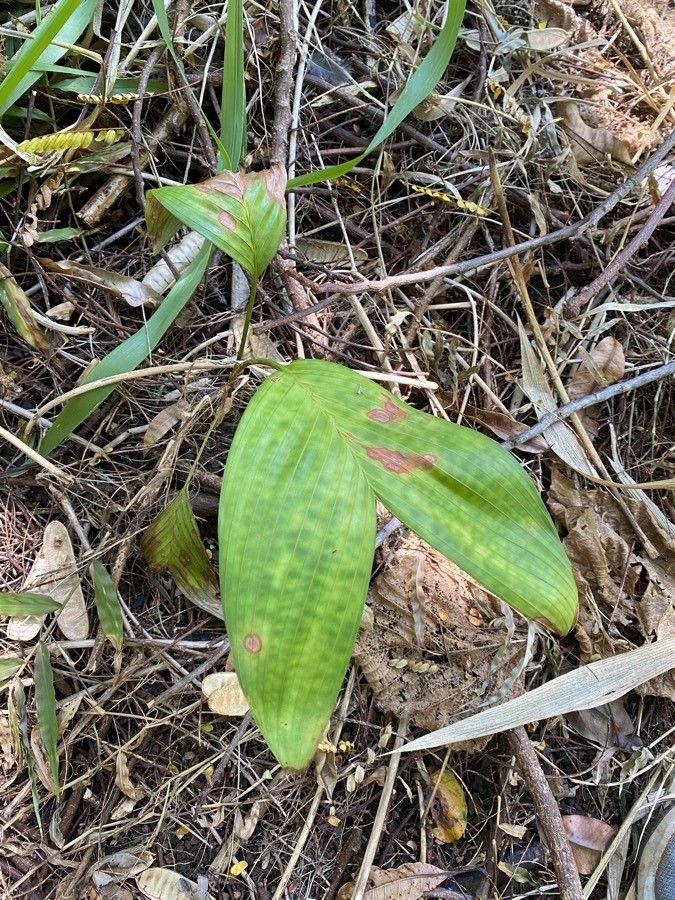
Hello, fellow plant enthusiasts! Today, we’re diving into the exciting world of propagating Pinanga pilosa, also known as the hairy pinanga. If you’ve ever admired this graceful palm, with its slender, adorned stems and delicate fronds, you’re in for a treat. Growing a new Pinanga pilosa from an existing plant feels like magic, a tangible way to extend the beauty of your collection. It’s a journey that’s moderately challenging, making it a fantastic project for those who’ve got a few plant successes under their belt and are eager for a new, rewarding adventure.
The Best Time to Start
When it comes to Pinanga pilosa, timing is everything. The ideal period for propagation is during its active growing season, which typically falls in the late spring through summer. During these warmer months, the plant has more energy reserves to dedicate to producing new shoots and roots. You’ll have the best luck if you can propagate after a period of robust growth, when the plant is looking healthy and full of life.
Supplies You’ll Need
Before we get our hands dirty, let’s gather our arsenal. Having the right tools makes all the difference:
- Sharp, sterile pruning shears or a clean knife: Essential for making clean cuts.
- Well-draining potting mix: A blend of peat moss, perlite, and orchid bark works wonderfully. You want something that aerates well but retains a bit of moisture.
- Small pots or propagation trays: Clean containers are key to preventing disease.
- Rooting hormone (optional but recommended for stem cuttings): This can significantly boost your chances of success.
- Plastic bag or clear dome: To create a humid environment.
- Watering can with a fine rose attachment: For gentle watering.
- Mister: For keeping leaves hydrated.
- Gloves (optional): For keeping your hands clean.
Propagation Methods
Pinanga pilosa is best propagated through division, which is like giving your existing palm a little haircut and a chance to start anew.
Division Method:
This is the most reliable way to propagate Pinanga pilosa. You’ll be separating off new offsets that form at the base of the mother plant.
- Gently remove the mother plant from its pot. Be as careful as possible not to damage the roots. If it’s root-bound, you might need to gently break apart some of the soil.
- Inspect the base of the plant for new shoots or pups. These are smaller, developing plants that emerge from the soil level or near the base of the main stem. Look for ones that already have a few leaves and, ideally, some of their own roots.
- Using your sharp, sterile shears or knife, carefully separate a healthy pup from the mother plant. Try to get as many of its own roots attached as possible. If roots are intertwined, a gentle pull might work, but don’t force it. If it’s heavily attached, a clean cut through the connecting rhizome is necessary.
- Pot the new offset into its own small container. Use your well-draining potting mix, ensuring the base of the new plant is at soil level.
- Water thoroughly until water runs out of the drainage holes.
- Place the potted offset in a warm spot with bright, indirect light.
- Cover the pot with a plastic bag or a clear dome to maintain high humidity. This is crucial for the new plant to establish itself without drying out.
The “Secret Sauce” (Pro Tips)
Here are a few tricks I’ve learned over the years that can really help your Pinanga pilosa cuttings thrive:
- Don’t skimp on drainage! Even though we want to keep things humid, soggy soil is the enemy. Make sure your pots have plenty of drainage holes, and don’t be afraid to mix in extra perlite or bark to your potting medium.
- Bottom heat can be a game-changer, especially for divisions starting out. If you have a heat mat designed for propagation, placing the pot on it can encourage root development. It mimics the warmth of the soil where the offsets naturally form. Just make sure the heat isn’t too intense, we don’t want to cook those delicate roots!
- Patience is more than a virtue; it’s a necessity. Pinanga pilosa can be a bit slow to establish. Don’t panic if you don’t see immediate growth. Give it weeks, even a couple of months, to show significant signs of progress. Resist the urge to constantly disturb it.
Aftercare & Troubleshooting
Once your new Pinanga pilosa has settled in, it’s time for some gentle pampering.
- Watering: Keep the soil consistently moist but not waterlogged. Allow the top inch of soil to dry slightly between waterings. As the plant matures and establishes a strong root system, you can gradually reduce the humidity cover.
- Light: Continue to provide bright, indirect light. Avoid direct sunlight, which can scorch the new leaves.
- Fertilizing: Wait until you see new growth before you think about fertilizing. Start with a weak, balanced liquid fertilizer diluted to half strength, and feed only during the growing season.
Now, what if things go sideways? The most common issue you might encounter is rot. This usually happens if the soil stays too wet for too long, or if the plant isn’t getting enough ventilation. Signs include yellowing leaves, mushy stems at the base, or a foul smell. If you see this, act fast! You might need to remove the affected parts, repot into fresh, dry soil, and improve airflow. Sometimes, despite our best efforts, a cutting might not take. Don’t get discouraged! It’s a natural part of the process, and there’s always another plant to try with.
A Encouraging Closing
Propagating Pinanga pilosa is a rewarding process that connects you more deeply with your plants. It requires a bit of patience and observation, but seeing a new, healthy plant emerge from a piece of your beloved palm is incredibly satisfying. So, gather your supplies, find a good moment, and give it a go. Enjoy the journey, and happy propagating!
Resource:
https://identify.plantnet.org/k-world-flora/species/Pinanga%20pilosa%20(Burret)%20J.Dransf./data