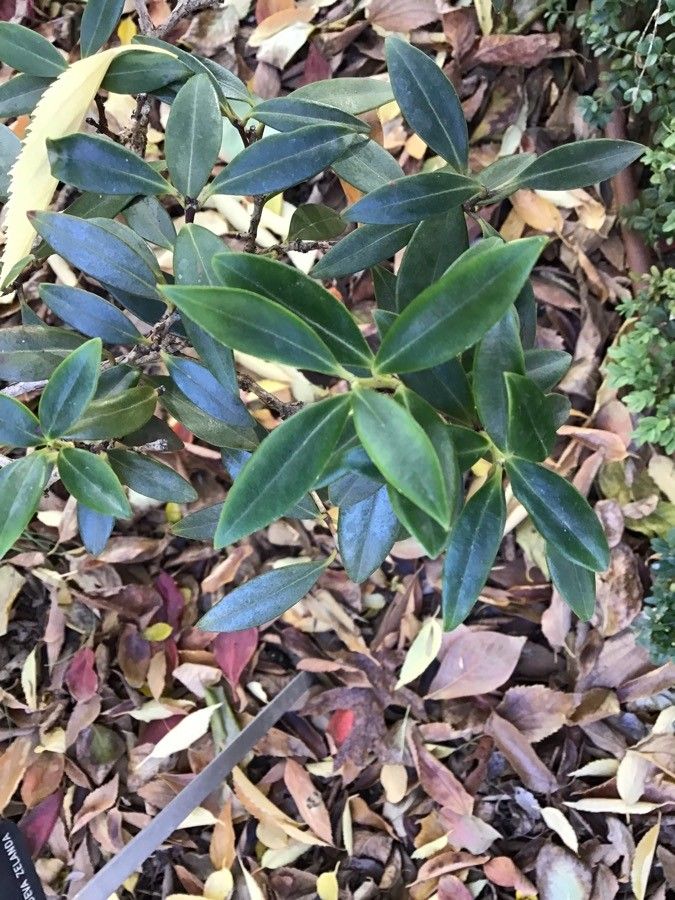
Oh, hello there! Come on in, grab a mug. Today, we’re diving into the wonderful world of Metrosideros umbellata, often called the New Zealand Christmas Bush or southern rata. I’ve been growing and experimenting with these beauties for two decades, and let me tell you, coaxing a new plant to life from a cutting is one of the most satisfying gardening achievements.
Why Propagate Your Southern Rata?
Metrosideros umbellata is a stunner, isn’t it? With its glossy, leathery leaves and those vibrant, crimson bottlebrush flowers that truly look like they’re on fire, it’s a real showstopper. Propagating them means you can share this magic with friends, fill your garden with more of these beauties, or even create a living hedge. It’s a fantastic way to get more plants for free! For beginners, I’d say trying out Metrosideros propagation is a moderately challenging but absolutely doable project. With a little patience and the right approach, you’ll be celebrating your successes.
When is the Magic Hour for Starting?
The absolute best time to take cuttings from your Metrosideros umbellata is during the late spring or early summer. Think of it as when the plant is really hitting its stride, actively growing and full of vigor. You’re looking for new growth that’s hardening off a bit – not the floppy, brand-new tips, but rather stems that are firm and have a bit of resistance when you bend them. This semi-hardwood stage is key for excellent rooting.
Your Propagation Toolkit: What You’ll Need
Gathering your supplies before you start makes the whole process so much smoother. Here’s what I always have on hand:
- Sharp Pruning Shears or a Knife: For clean cuts that heal better. Sterilize them with rubbing alcohol!
- Seedling Pots or Small Containers: About 4-6 inches deep is perfect. Make sure they have drainage holes.
- Propagating Medium: A mix of 50% perlite and 50% coarse peat moss is my go-to. It drains beautifully and holds just enough moisture. You can also use a good quality seed-starting mix with added perlite.
- Rooting Hormone: A powder or gel containing IBA (indole-butyric acid) is very helpful. It gives your cuttings a significant boost.
- Plastic Bags or a Propagator: To create a humid environment. A clear plastic bag that fits over the pot, or a dedicated propagator lid, works wonders.
- Watering Can or Spray Bottle: For gentle watering.
- Labeling Sticks and a Pen: Crucial for remembering what you’ve planted and when!
- Optional: Heat Mat: This can significantly speed up root development, especially if your home is a bit on the cool side.
Let’s Get Cutting: Propagation Methods
Now for the fun part! Stem cuttings are generally the most reliable method for Metrosideros umbellata.
Method 1: Semi-Hardwood Stem Cuttings
- Select Your Cuttings: As mentioned, aim for semi-hardwood growth from late spring into summer. Look for stems that are about pencil-thick and have a few sets of leaves.
- Make the Cut: Using your sterilized pruning shears or knife, take cuttings that are 6-8 inches long. Make a clean cut just below a leaf node (where a leaf attaches to the stem).
- Prepare the Cutting: Gently remove the leaves from the bottom two-thirds of the cutting. If the remaining leaves are very large, you can cut them in half horizontally – this reduces water loss without sacrificing too much of the plant’s energy-producing surface.
- Dip in Rooting Hormone: Moisten the cut end of the stem slightly with water, then dip it into your rooting hormone, tapping off any excess.
- Plant Your Cuttings: Fill your pots with your prepared propagating medium. Make a hole with a pencil or your finger, large enough for the cutting. Gently insert the prepared cutting, ensuring the nodes where you removed the leaves are buried. Firm the medium gently around the stem.
- Water and Cover: Water the medium thoroughly but gently from the bottom or with a fine spray. You want it moist, not soggy. Then, cover the pot with a clear plastic bag, or place it in your propagator. Ensure the leaves aren’t touching the sides of the bag if possible.
Method 2: Water Propagation (Less Traditional, but Worth a Try!)
While not my primary method for this particular plant, I’ve had some success with water propagation.
- Take Cuttings: Prepare your cuttings as described above, but skip the rooting hormone step for now.
- Place in Water: Put the cuttings in a glass or jar filled with clean, room-temperature water. Ensure the leaf nodes you removed are submerged, but do not let any leaves sit in the water – these will rot quickly.
- Change Water Regularly: Change the water every few days to keep it fresh and prevent bacterial growth.
- Wait for Roots: Once you see tiny roots developing (this can take a few weeks), carefully transplant them into your propagating medium, treating them like small cuttings. They can be a bit more delicate at this stage.
The “Secret Sauce”: Insider Tips from My Garden
Here are a few things I’ve learned over the years that can really make a difference:
- The Importance of Humidity: Metrosideros cuttings absolutely love a humid environment. Don’t peek too often! Keep that plastic bag or propagator lid sealed as much as possible to maintain consistent moisture in the air. This is crucial to prevent them from drying out before they can root.
- Bottom Heat is Your Friend: If you have a heat mat, use it! Placing your pots on a gentle heat source (around 70-75°F or 21-24°C) can dramatically speed up the rooting process. It encourages those roots to develop much faster, giving your cuttings a better chance of survival.
- Don’t Be Afraid to Prune: When you first set up your cuttings, I always give them a gentle prune of some of the larger leaves, or even cut them in half. It might seem counterintuitive, but it’s about reducing the demands on the cutting. Less leaf surface area means less water to transpire, allowing the plant to focus its energy on root production.
Aftercare and What to Watch For
Once your cuttings have successfully rooted – you’ll see new growth appearing at the tip, or feel a gentle tug when you very carefully try to wiggle the cutting – it’s time to give them a bit more space.
- Acclimatize: Gradually introduce your new plants to less humid conditions. Open the plastic bag a little each day for a week, or lift the propagator lid for a few hours.
- Potting Up: Once they are well-rooted and showing good top growth, you can carefully pot them into slightly larger pots using a good quality, well-draining potting mix.
- Watering: Water them regularly, letting the soil surface dry out slightly between waterings.
- Troubleshooting: The most common issue you’ll face is rot. If a cutting turns black and mushy from the bottom up, it’s usually a sign of too much moisture and not enough air circulation. Ensure your mix drains well and don’t overwater. If you see wilting despite moist soil, it means the roots aren’t developing, and the cutting is struggling to take up water. This can be due to a lack of rooting hormone, insufficient humidity, or being too cold.
Be Patient, Enjoy the Journey!
Propagating plants is a dance with nature, and it requires a little bit of faith and a whole lot of patience. Not every cutting will make it, and that’s perfectly okay. Each attempt teaches you something new. Celebrate the ones that thrive, and learn from the ones that don’t. Before you know it, you’ll have a whole garden full of your own New Zealand Christmas Bushes, each one a testament to your green thumb and your willingness to try. Happy propagating!
Resource:
https://identify.plantnet.org/k-world-flora/species/Metrosideros%20umbellata%20Cav./data