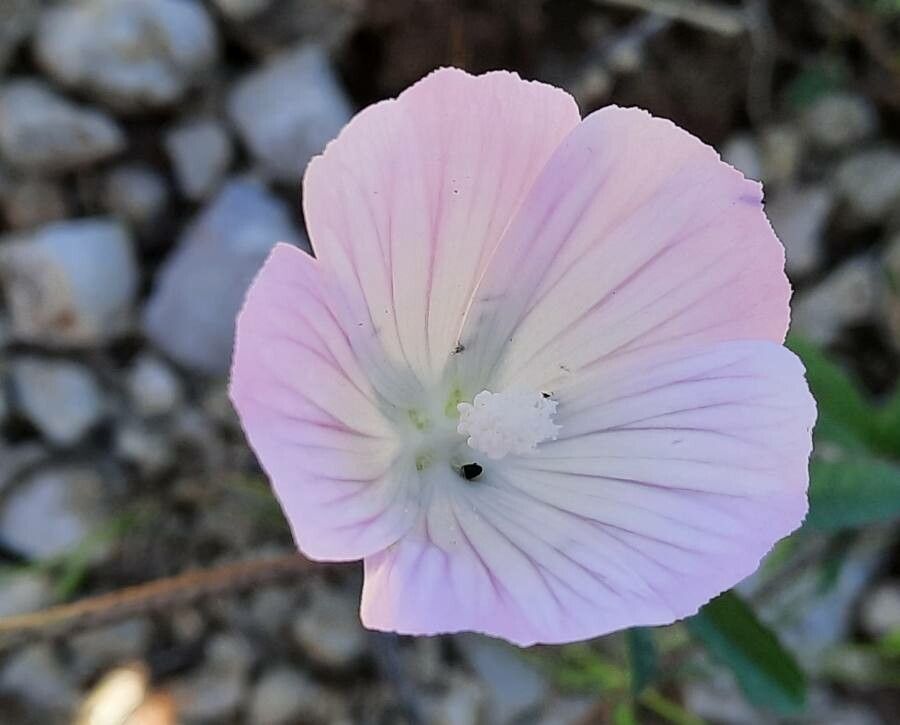
Ah, Malva cretica! It’s one of those plants that just makes me smile. Its delicate, papery blooms, usually in lovely shades of pink or white, have a certain airy charm that’s hard to resist. If you’ve ever admired its graceful presence in a garden and thought, “I wish I had more of that“, you’re in luck! Propagating Malva cretica is a wonderfully rewarding way to expand your collection, and I’m happy to walk you through it. For most gardeners, this delightful plant is quite forgiving, making it a lovely choice for those dipping their toes into propagation for the first time.
The Best Time to Start
Generally, late spring to early summer is your sweet spot for propagating Malva cretica. This is when the plant is actively growing and has plenty of energy to put into developing new roots. Look for stems that are developing but not yet flowering; these are often the most vigorous and successful.
Supplies You’ll Need
Gathering your supplies beforehand makes the whole process so much smoother. Here’s what you’ll want to have on hand:
- Clean pruning shears or a sharp knife: For taking precise cuttings.
- A good quality potting mix: I like a blend that’s well-draining, something like a mix of peat moss and perlite, or a specialized seed-starting mix.
- Small pots or seed trays: Clean containers are crucial to prevent disease.
- Rooting hormone (optional but recommended): This can give your cuttings a real boost.
- A spray bottle: For misting, which keeps humidity levels up.
- Plastic bags or a clear plastic dome: To create a mini-greenhouse effect.
- Labels: To keep track of what you’ve planted!
Propagation Methods
Malva cretica is happy to propagate from stem cuttings. It’s generally straightforward, and I’ve had great success with it.
- Take Your Cuttings: Select a healthy, non-flowering stem that’s about 4-6 inches long. Using your clean shears or knife, make a clean cut just below a leaf node (where the leaf joins the stem). These nodes are where roots are most likely to form. Remove the lower leaves from the cutting, leaving only the top two or three.
- Apply Rooting Hormone (Optional but helpful): If you’re using it, dip the cut end of the stem into the rooting hormone powder or gel, tapping off any excess.
- Plant Your Cuttings: Fill your small pots or seed trays with your prepared potting mix. Make a shallow hole in the center of each pot with your finger or a pencil. Gently insert the cut end of the stem into the hole, then firm the soil around it to ensure good contact.
- Water and Cover: Water the soil gently but thoroughly. You want it moist, but not waterlogged. Then, cover the pots with a plastic bag or a clear dome. This is key to maintaining high humidity, which helps prevent the cuttings from drying out before they can grow roots. Place them in a bright location but out of direct sunlight, which can scorch the young cuttings.
The “Secret Sauce”
Here are a couple of things I’ve learned over the years that often make a big difference:
- Bottom Heat is Your Friend: Malva cretica cuttings really appreciate a little warmth from below. Placing your pots on a heat mat designed for seedlings can significantly speed up root development. It mimics the warmth of late spring soil perfectly.
- Don’t Drown Them: While humidity is important, avoid letting the leaves of your cuttings sit in standing water within the pot. This can encourage rot. Aim for consistently moist soil, not soggy. I often check the moisture by gently pressing the soil – if it springs back without feeling dry, it’s usually good.
Aftercare & Troubleshooting
Once you see new leaf growth appearing on your cuttings, that’s a fantastic sign that roots are forming! It usually takes 2-4 weeks.
- Acclimatize Slowly: Gradually remove the plastic cover over a few days to let the new plants adjust to the normal humidity of your home.
- Continue Watering: Keep the soil consistently moist, but again, no waterlogging.
- Transplanting: When the roots have filled their initial pots and you can feel them through the drainage holes, it’s time to transplant them into slightly larger pots with fresh potting soil.
Now, what if things don’t go as planned? The most common issue is rot. If your cutting turns mushy, black, or falls over, it’s likely due to too much moisture and not enough air circulation. Ensure your soil is well-draining and don’t be afraid to remove any struggling cuttings to prevent it from spreading to others. Another sign of failure is a cutting that remains limp and doesn’t show any new growth after several weeks – this usually means it just didn’t form roots. Don’t be discouraged by this!
A Encouraging Closing
Propagating Malva cretica is a journey, and like all gardening endeavors, patience is key. Don’t worry if your first few attempts aren’t perfect; the learning process is part of the joy. Keep trying, observe your plants, and soon you’ll be surrounded by even more of these lovely blooms. Happy propagating!
Resource:
https://identify.plantnet.org/k-world-flora/species/Malva%20cretica%20Cav./data