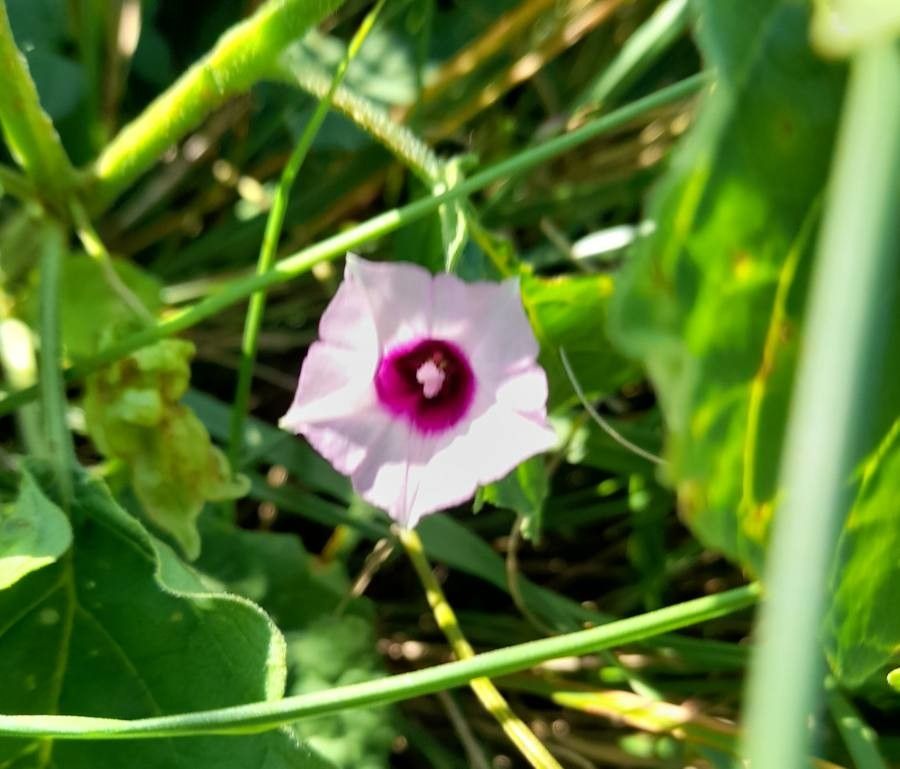
Oh, the Ipomoea grandifolia! What a beauty. Those huge, trumpet-shaped flowers, often in vibrant purples or blues, can truly transform a garden. They unfurl with the morning sun, bringing such joy. And the best part? They’re surprisingly forgiving to propagate, making it a wonderful project even for those just dipping their toes into the gardening world. Getting more of these beauties for free is just chef’s kiss.
The Best Time to Start
My favorite time to get propagating is in the late spring or early summer. The plant is in full swing, pushing out lots of new, healthy growth. This vigorous energy makes it much easier for cuttings to root successfully. Wait until the plant has had a good spurt of growth after its initial flowering period.
Supplies You’ll Need
Here’s what you’ll want to have on hand before you start:
- Sharp pruning shears or a clean craft knife. We want clean cuts!
- A well-draining potting mix. I like a blend of equal parts peat moss and perlite, or even a cactus/succulent mix works wonders.
- Small pots or seed trays with drainage holes.
- Optional: Rooting hormone. It’s not strictly necessary for Ipomoea grandifolia, but it can give you a nice boost in rooting speed.
- A spray bottle for misting.
- Clear plastic bags or a propagation dome to create a humid environment.
Propagation Methods
Ipomoea grandifolia is a breeze to propagate, and stem cuttings are my go-to method.
Stem Cuttings:
- Select a healthy stem: Look for a stem that’s about pencil-thick and has grown within the last few months. It should have plenty of healthy leaves. Avoid stems that are woody or old.
- Take your cutting: Using your sharp shears, cut a stem about 4-6 inches long. Make the cut just below a leaf node (where a leaf attaches to the stem). This is where the magic happens – roots will most likely emerge from here.
- Prepare the cutting: Gently remove the lower leaves from the cutting, leaving just the top two or three. This prevents them from rotting when you insert them into the soil. If you’re using rooting hormone, dip the cut end into it now, tapping off any excess.
- Potting up: Fill your small pots with your prepared potting mix. Make a hole in the center with your finger or a pencil.
- Insert the cutting: Carefully place the cut end of the stem into the hole, ensuring the leaf nodes are below the soil line. Gently firm the soil around the cutting.
- Water and cover: Water the pot thoroughly but gently. Then, place the pot inside a clear plastic bag, or cover it with a propagation dome. This will create a mini-greenhouse, keeping the humidity high.
The “Secret Sauce” (Pro Tips)
Here are a couple of little tricks I’ve learned over the years:
- Don’t let the leaves touch the water if you’re trying water propagation. While Ipomoea grandifolia roots readily in water, those submerged leaves become a breeding ground for rot. Keep them above the water line once the roots start to form. For cuttings, this translates to ensuring your leaves aren’t brushed against the plastic bag or touching each other in the pot.
- Bottom heat is your friend! If you have a heated propagator mat, placing your pots on it can significantly speed up rooting. It mimics that lovely warmth the soil gets in summer. It’s not essential, but it definitely gives you an extra edge.
Aftercare & Troubleshooting
Once your cuttings are potted, I like to place them in a bright spot, but out of direct, harsh sunlight. Direct sun can scorch those tender new cuttings. Mist them lightly every day or two, or whenever the soil surface looks dry. The plastic bag should trap enough moisture, so you might only need to water more thoroughly if the soil feels completely dry.
You’ll start to see new leaf growth forming within a few weeks. This is a sure sign that roots are developing! Once you see this, you can gradually remove the plastic bag over a few days to acclimate the new plant to normal humidity.
The most common problem you might encounter is rot. If the stem turns mushy and black, or develops dark spots, it’s likely rotted. This usually happens from too much moisture and not enough air circulation, or from using a soil mix that’s too heavy. If you see rot, it’s best to discard that cutting and start with a fresh, healthy one.
Happy Propagating!
Growing new plants from cuttings is one of the most rewarding gardening experiences. It connects you to the rhythms of nature and is a fantastic way to expand your collection. Be patient with your little Ipomoea grandifolia cuttings. Some will root faster than others, and that’s perfectly okay. Enjoy the process, and soon you’ll have a cascade of gorgeous blooms to enjoy!
Resource:
https://identify.plantnet.org/k-world-flora/species/Ipomoea%20grandifolia%20(Dammer)%20O’Donell/data