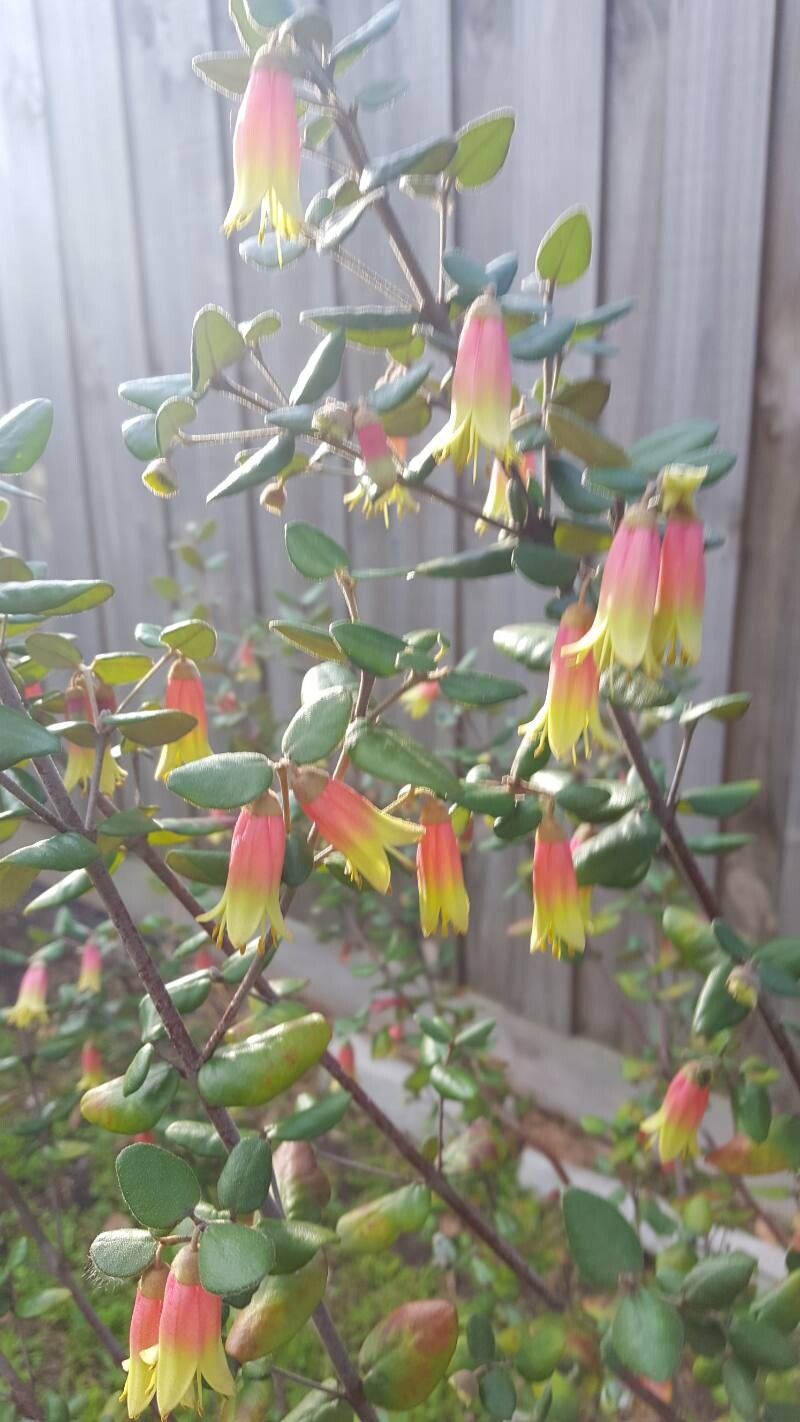
Hello there, fellow garden enthusiasts! I’m so delighted you’re interested in Correa bauerlenii. If you haven’t met this beauty yet, imagine a charming native with delicate, bell-shaped flowers that bring a sweet, subtle fragrance to the garden. It’s a real gem, especially for attracting our precious pollinators. And let me tell you, propagating them yourself is incredibly rewarding. Watching a tiny cutting transform into a healthy new plant is one of gardening’s greatest little victories. Good news for beginners: Correa bauerlenii is generally quite forgiving and a wonderful plant to start your propagation journey with.
The Best Time to Start
For the highest success rate, I find the late spring to early summer is your sweet spot. This is when the plant is actively growing after its spring flush, and the stems have a bit of maturity to them, but haven’t hardened off too much. You want to select stems that are pliable, not woody. Think of them as “softwood” or “semi-hardwood” cuttings. Starting around this time gives your new plants plenty of the growing season to establish themselves before cooler weather arrives.
Supplies You’ll Need
Gathering your supplies beforehand makes the whole process smoother. Here’s what I usually have ready:
- Sharp, clean pruning shears or a sharp knife: For making clean cuts, which is crucial.
- Potting mix: A well-draining mix is essential. I often use a blend of equal parts perlite and peat moss or a commercial seed-starting mix. Some people like adding a bit of coarse sand too.
- Small pots or a propagation tray: Clean pots are a must to avoid any nasties. About 7-10 cm (3-4 inch) pots work well.
- Rooting hormone (optional but recommended): This really gives your cuttings a boost. Powder or gel forms work fine.
- A plastic bag or propagation dome: To create a humid environment, which is vital for cuttings.
- Water mister: For keeping the humidity up and the leaves hydrated.
- Labels and a pen: So you don’t forget what you’ve planted!
Propagation Methods
Let’s get our hands dirty! For Correa bauerlenii, stem cuttings are my go-to method, and it’s quite straightforward.
- Take the Cuttings: Select healthy, current-season growth. Look for stems about 10-15 cm (4-6 inches) long. Using your clean shears or knife, make a clean cut just below a leaf node. A leaf node is where a leaf attaches to the stem; this is where roots are most likely to form. Remove the lower leaves, leaving just 2-3 leaves at the top. If the remaining leaves are quite large, you can carefully cut them in half to reduce water loss.
- Prepare the Cuttings: Dip the cut end of each cutting into your rooting hormone, tapping off any excess. This step isn’t strictly necessary, but it significantly improves your chances of success.
- Plant the Cuttings: Moisten your potting mix thoroughly. Make small holes in the mix with a pencil or your finger, and carefully insert the cuttings, ensuring the leaf nodes are buried. Gently firm the soil around the base of each cutting.
- Create Humidity: Water the pots gently to settle the soil. Then, cover the pots with a clear plastic bag, making sure the bag doesn’t touch the leaves too much. You can use stakes to hold it up. Alternatively, use a propagation dome.
- Placement: Place the pots in a bright spot out of direct sunlight. A partially shaded windowsill or a greenhouse is ideal. Keep the temperature consistent, ideally around 18-24°C (65-75°F).
The “Secret Sauce” (Pro Tips)
Here are a couple of little tricks I’ve learned over the years that really make a difference:
- Bottom Heat is Your Friend: If you have a heat mat designed for seedlings, pop your pots on top of it. This gently warms the soil from below, encouraging root development much faster. It’s like giving your cuttings a cozy warm footbath!
- Don’t Drench, Just Dampen: It’s easy to overwater, which is the quickest way to invite rot. Your potting mix should feel like a wrung-out sponge – moist, but not soggy. Check the moisture by gently poking your finger into the soil. If it feels dry an inch down, it’s time for a gentle misting.
Aftercare & Troubleshooting
Once your cuttings are potted, the waiting game begins! Keep them in that humid environment and check them regularly. You’ll know they’re ready when you see new leaf growth and you can feel a bit of resistance when you very gently tug on a cutting – that means roots have formed. This can take anywhere from 4 to 12 weeks, so be patient!
Once rooted, you can gradually acclimate them to lower humidity by opening the plastic bag a little each day over a week. Then, you can remove the bag entirely. Continue to water them as needed, letting the top inch of soil dry out between waterings.
The most common issue you might encounter is rot. If you see your cuttings turning black and mushy, it’s usually a sign of too much moisture and not enough air circulation. Unfortunately, once rot sets in, it’s hard to save them. Make sure your soil is well-draining and don’t be tempted to overwater!
A Encouraging Closing
There you have it – a step-by-step guide to propagating your very own Correa bauerlenii. Don’t be discouraged if everything doesn’t take off immediately. Gardening is a journey of learning and observation. Enjoy the process, celebrate each little success, and soon you’ll have a little Correa family to admire. Happy propagating!
Resource:
https://identify.plantnet.org/k-world-flora/species/Correa%20bauerlenii%20F.Muell./data