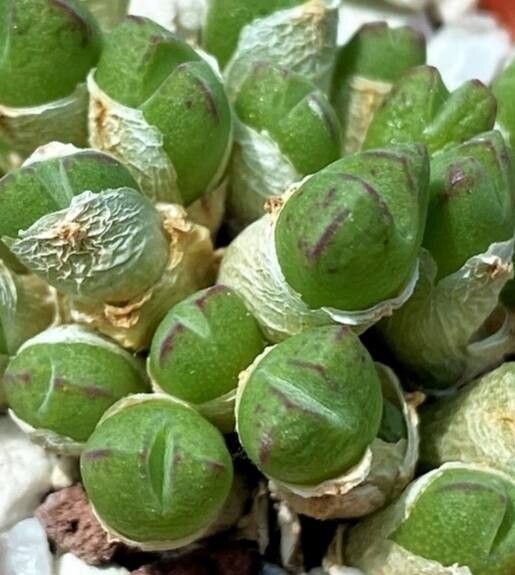
Hey there, fellow plant lover! Today, we’re diving into the wonderfully tactile world of propagating Conophytum ficiforme. If you’ve ever been captivated by these tiny, jewel-like succulents, then get ready to multiply your joy!
Your Little Collection, Multiplied: Why Propagate Conophytum ficiforme?
There’s something incredibly satisfying about watching a new plant spring to life from a tiny piece of its parent. With Conophytum ficiforme, it’s like nurturing miniature pebbles that eventually unfurl into their own unique personalities. They’re just so darn cute, and being able to share them or simply expand your own little collection feels like a special kind of magic. Now, for beginners, I’ll be honest, Conophytums can be a bit of a gentle challenge. They demand a bit more finesse than, say, a jade plant. But don’t let that deter you! With a little attention to detail, you’ll be rewarded.
The Best Time to Start: Timing is Everything
For these little beauties, propagation is best done during their active growing season. This typically falls in the late spring and early summer, just as they’re starting to plump up and look their most vibrant after their winter dormancy. You’ll know it’s time when the bodies feel firm and are actively showing signs of new growth.
Supplies You’ll Need: Getting Prepared
Before we get our hands dirty, let’s gather our tools. Think of this as setting up your little propagation workstation:
- Well-Draining Soil Mix: A gritty, fast-draining blend is crucial. I love a mix of equal parts pumice, coarse sand, and a touch of succulent or cactus potting mix. You can even get pre-made gritty mixes.
- Sharp Pruning Shears or a Clean Knife: For making clean cuts. Sterilize them with rubbing alcohol before you start.
- Rooting Hormone (Optional but Recommended): This helps encourage root development. You can find it in powder or liquid form.
- Small Pots or Seed Trays: Clean containers with drainage holes are essential.
- Watering Can with a Fine Rose Head or a Spray Bottle: For gentle watering.
- Patience! (This is the most important tool!)
Propagation Methods: Bringing New Life Forth
The most common and successful way to propagate Conophytum ficiforme is through division or making cuttings from developed bodies.
Method 1: Division (The Most Reliable Way)
As Conophytums grow, they often form clusters. Carefully separating these clusters is a fantastic way to propagate.
- Gently Unpot: Take your mature Conophytum out of its pot. Try to keep as much of the soil intact around the roots as possible.
- Inspect and Separate: Gently tease apart the soil to reveal the individual plant bodies. Look for natural breaks where a new offsetting body has formed. You want to separate pieces that have their own undeveloped root system.
- Clean the Cut: If you need to make a clean cut to separate a body, use your sterilized shears or knife.
- Callus Over: This is a critical step! Let the separated pieces sit out of direct sun on a dry surface for 2-3 days. This allows any cuts to dry and callus over, preventing rot.
- Plant Them Up: Gently plant the callused divisions into your prepared, dry, fast-draining soil mix. Don’t bury them too deeply; just tuck their base into the soil.
- Wait to Water: Resist the urge to water immediately. Wait at least a week, perhaps even two, until you’re absolutely sure they’ve settled in. Then, water very sparingly.
Method 2: Stem/Body Cuttings (For Adventurous Souls)
This method is a little more delicate and requires a bit more time when propagating Conophytum ficiforme.
- Take a Healthy Cutting: Look for a mature, healthy body that has started to form a new offset. You can carefully sever a developed body from the main plant. Again, use clean, sharp tools.
- Callus is Key (Again!): Just like with division, you must let the cutting callus over. Place it in a dry, bright spot (but out of direct harsh sun) for 3-5 days. Longer is often better for these.
- In Their Own Pot: Once callused, place the cutting onto the surface of your dry, gritty soil mix in a small pot. You might gently tuck the very base into the soil for stability.
- Patience and Mist: For cuttings, you might start by very lightly misting the surface of the soil every few days after about a week. The goal is to encourage roots without introducing too much moisture that could lead to rot.
The “Secret Sauce”: My Insider Tips
Here are a couple of things I’ve learned over the years that really make a difference with these finicky beauties:
- Don’t let leaves touch the water (if using water propagation in a similar succulent, which is less common for Conophytums but good to know for other succulents!). For Conophytums, this actually translates to keeping the soil surface as dry as possible for as long as possible. Moisture near the stem is the enemy of new Conophytum propagations.
- The magic of bottom heat. This is especially helpful if you’re propagating in a cooler environment. Placing your pots on a gentle heat mat (set to a low temperature, around 70-75°F or 21-24°C) can significantly speed up root development. It mimics the warm soil of summer.
- Observe, don’t poke! When you’re unsure if roots have formed, resist the urge to tug on the plant to check. Instead, look for signs of new growth – a slight plumping up of the body, or the appearance of a new leaf or tip. This is your best indicator that roots are happy and working.
Aftercare & Troubleshooting: Nurturing Your New Sprouts
Once your propagated Conophytums start showing signs of life, it’s time to shift to a gentler watering regime.
- Watering: Start by watering very sparingly. Wait until the soil has dried out completely between waterings. You can start to water a bit more regularly as the plant matures, but always err on the side of underwatering rather than overwatering.
- Light: Provide them with bright, indirect light. Direct, hot sun can scorch tender new growth.
- Troubleshooting: The number one enemy is rot. If your cutting or division looks mushy, shriveled (beyond normal wrinkling, which is a sign of thirst), or discolored at the base, it’s likely rot. Unfortunately, there’s often not much to do once rot sets in. This is why proper callusing and excellent drainage are so vital. If you catch it early, you might be able to cut away the rotten part and try to re-callus the healthy bit, but it’s a long shot.
Embrace the Journey
Propagating Conophytum ficiforme is an exercise in patience and observation. Each little plant you bring into being is a testament to your green thumb and your dedication. Don’t get discouraged if a few don’t make it – it’s all part of the learning process. Enjoy the quiet satisfaction of nurturing these tiny treasures, and soon you’ll have a delightful collection to admire. Happy propagating!
Resource:
https://identify.plantnet.org/k-world-flora/species/Conophytum%20ficiforme%20(Haw.)%20N.E.Br./data