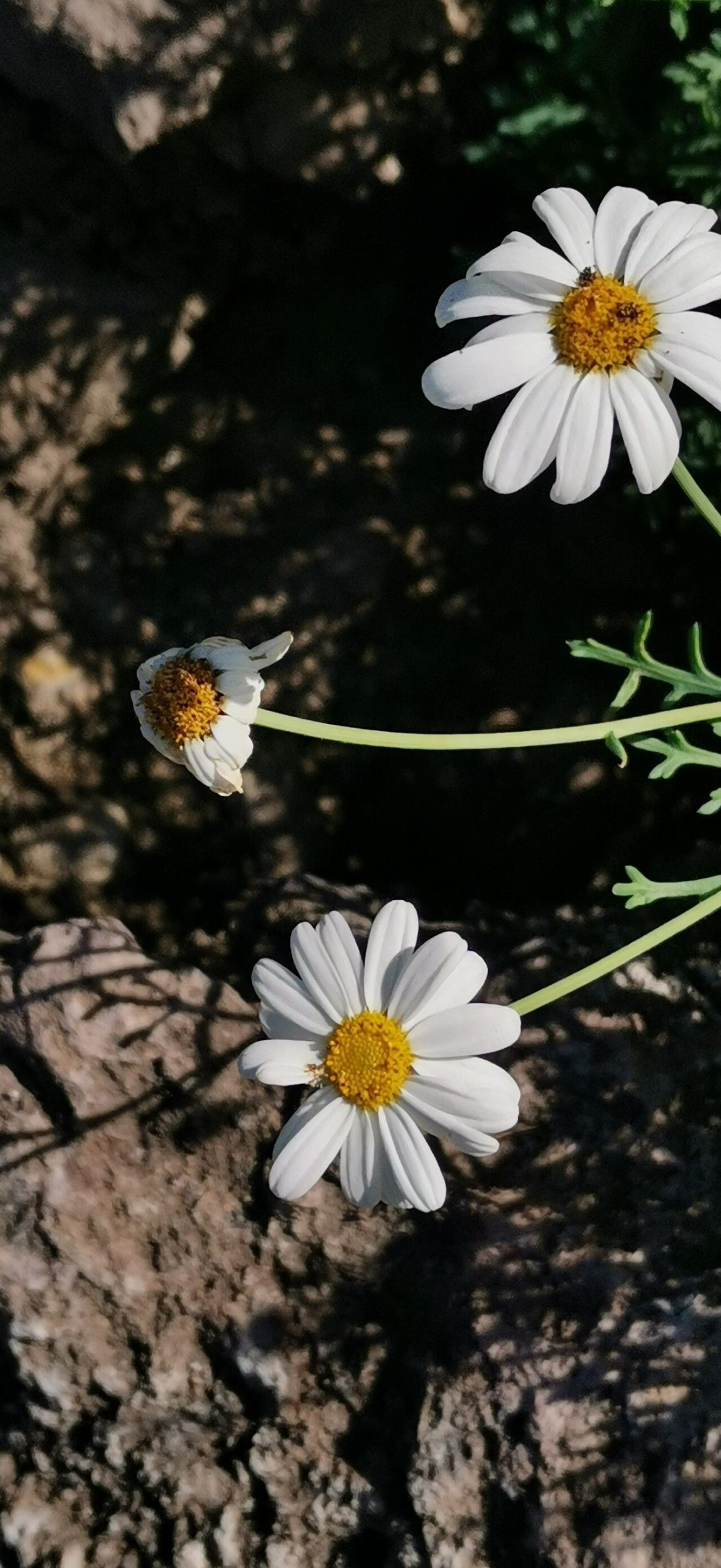
Oh, Cheirolophus canariensis! Isn’t it a beauty? With those striking silver-grey leaves and a form that just adds such a lovely architectural touch to the garden, it’s no wonder we want more of it. I’ve had the pleasure of growing these for many years, and propagating them feels like a little act of magic. It’s not the absolute easiest plant for a brand-new gardener to take cuttings from, but with a little patience and these tips, you’ll be well on your way to multiplying your collection.
The Best Time to Start
For Cheirolophus canariensis, the sweet spot for propagation is definitely late spring through early summer. This is when the plant is actively growing, and those lovely soft new shoots have had a chance to mature just enough to be good for cuttings. You want stems that are flexible but not floppy, almost like a pencil in thickness. Avoid taking cuttings from very old, woody stems, as they tend to be much slower to root, if they root at all.
Supplies You’ll Need
Here’s what you’ll want to have on hand before you get started:
- Sharp, clean pruning shears or secateurs. A clean cut is a happy cut for plants!
- Rooting hormone. This is a great booster, especially for woody-stemmed plants. Get the powdered kind that’s easy to dip.
- A well-draining potting mix. I like to use a blend of equal parts perlite and coco coir or seed-starting mix for cuttings. It’s airy and prevents that dreaded waterlogged soil.
- Small pots or seed trays. Clean ones, of course!
- A spray bottle. For misting.
- Optional: A clear plastic bag or propagation dome. To create a humid microclimate.
- Optional: Heated propagator mat. More on this later!
Propagation Methods
We’ll focus on stem cuttings, which are generally the most successful for Cheirolophus canariensis.
Stem Cuttings:
- Select your parent plant. Look for healthy, vigorous growth. You’re aiming for stems that are about 4-6 inches long.
- Make the cut. Using your clean shears, take a cutting just below a leaf node. This is where roots tend to form most readily. If you take it from a flowering stem, pinch off the flower bud as it will drain energy your cutting needs for root development.
- Prepare the cutting. Gently remove the lower leaves from the bottom half of the cutting. You want clean stems where you’ll be dipping into the rooting hormone. Leave a few sets of leaves at the top to help with photosynthesis.
- Apply rooting hormone. Dip the cut end of the stem into the rooting hormone powder, tapping off any excess.
- Plant your cuttings. Fill your small pots with your prepared potting mix. Make a small hole with a pencil or your finger. Gently place the prepared cutting into the hole, ensuring the rooting hormone doesn’t rub off. Firm the soil gently around the base of the cutting.
- Water thoroughly. Water the soil until it’s evenly moist, but not soaking wet.
- Create humidity. This is key! You can place the pot inside a clear plastic bag and loosely tie it, or cover it with a propagation dome. If you’re doing multiple cuttings, a larger tray with a dome works wonderfully. This keeps the leaves from drying out while the plant focuses on rooting.
The “Secret Sauce” (Pro Tips)
Here are a couple of things I’ve learned over the years that really make a difference:
- Don’t let the leaves touch the water. If you’re doing water propagation (which I find less successful for this particular plant but some swear by it), make sure only the stem is submerged, not any leaves. Rot is the enemy here! For stem cuttings in soil, while not a direct water issue, this principle applies to keeping leaves away from sitting in overly damp soil.
- Bottom heat is your friend. Cheirolophus canariensis, like many plants, absolutely loves a bit of warmth from below. Placing your pots on a heated propagator mat can dramatically speed up root formation. It mimics the nice warm soil environment of its natural habitat in the Canary Islands. You don’t need it scorching hot, just a gentle warmth.
Aftercare & Troubleshooting
Once your cuttings are planted, keep them in a bright spot, but out of direct, harsh sunlight. Mist them occasionally, especially if they aren’t in a covered environment. The goal is consistently moist, not soggy, soil.
You’ll know your cuttings have rooted when you see new leaf growth appearing at the top. This can take anywhere from 4-8 weeks, sometimes longer. Gently tug on a cutting; if there’s resistance, you’ve got roots!
Troubleshooting:
- Wilting: This is usually a sign of dehydration or too much direct sun. Ensure the soil is moist and move it to a shadier spot.
- Rot: If the stem turns black and mushy, it’s likely rot. This is often caused by too much moisture and poor drainage. Sadly, these cuttings are usually a lost cause. Prevention is key – use that well-draining mix!
- No growth: Be patient! Some cuttings just take their sweet time. If the stem still looks firm and green after a couple of months, it’s still worth waiting. Sometimes, a bit of bottom heat can encourage that first tiny root.
A Encouraging Closing
Propagating plants is a journey, and there will be times when some cuttings don’t make it. Don’t get discouraged! Each attempt teaches you something new. Celebrate the successes, learn from the failures, and most importantly, enjoy the process of nurturing new life. Soon enough, you’ll have even more of that gorgeous Cheirolophus canariensis to enjoy!
Resource: