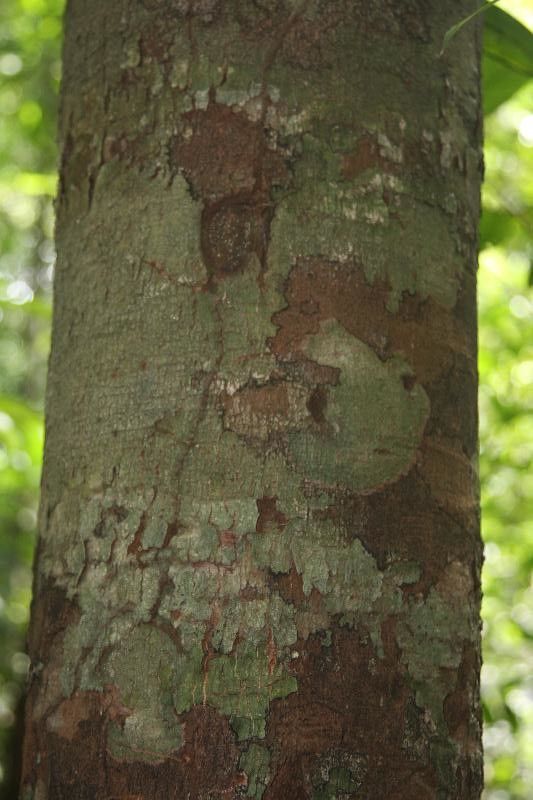
Hey there, fellow plant lovers! Today, we’re diving into a truly special topic: propagating Byrsonima laevigata. This gorgeous beauty, also known fondly as Murici or even “little cherry” by some, is a tropical marvel. Its glossy leaves and the promise of delightful, tart fruit make it a real gem to have in the garden or even as a stunning indoor specimen.
Growing your own Murici from scratch? It’s incredibly rewarding. There’s a special kind of magic in nurturing a tiny sprout into a thriving plant. Now, I know some tropical plants can be a bit fussy, but when it comes to Byrsonima laevigata, I’ve found it to be moderately easy to propagate. It’s a great project, even if you’re just starting to get your hands dirty with propagation.
The Best Time to Start
For the highest success rate, I always recommend aiming for late spring or early summer. This is when the plant is actively growing and has plenty of energy to put into developing new roots. You’re looking for young, healthy stems that are neither too woody nor too soft and leafy. Think of a stem that slightly bends but doesn’t snap easily.
Supplies You’ll Need
Here’s a quick rundown of what you’ll want to have on hand before you get started:
- Sharp Pruning Shears or a Clean Knife: For making those crucial, clean cuts.
- Rooting Hormone (Optional but Recommended): Especially for stem cuttings. It gives them a little nudge in the right direction.
- Well-Draining Potting Mix: I often use a blend of equal parts peat moss or coco coir, perlite, and coarse sand. A good quality cactus or succulent mix can also work in a pinch.
- Small Pots or Seed Trays: Clean, with drainage holes, of course!
- Plastic Bags or a Propagator: To create a humid environment.
- Spray Bottle: For misting.
- Labels and a Marker: To keep track of what you’ve planted and when.
Propagation Methods
I’ve had the most consistent luck with stem cuttings for Byrsonima laevigata. Here’s how I do it:
-
Take Your Cuttings: Select a healthy stem from your mature plant. Using your sterilized shears or knife, make a clean cut about 4-6 inches long. Try to include at least 2-3 sets of leaves along the stem. Remove the lower leaves, leaving just one or two sets at the top. This is important to prevent rot.
-
Prepare for Rooting: If you’re using rooting hormone, lightly dip the cut end of the stem into the powder, tapping off any excess. This step isn’t always strictly necessary, but I find it really boosts the chances of success.
-
Plant Your Cuttings: Fill your clean pots or trays with your well-draining potting mix. Make a small hole in the center of the mix with your finger or a pencil. Gently insert the cut end of the stem into the hole, ensuring the nodes where the leaves were removed are buried. Firm the soil gently around the stem.
-
Create a Humid Environment: Water the soil lightly, just enough to moisten it thoroughly without waterlogging. Then, cover the pot with a clear plastic bag or place it in a propagator. You can secure the bag with a rubber band or tie. This helps maintain the high humidity the cuttings need to prevent dehydration while they form roots.
The “Secret Sauce” (Pro Tips)
Here are a couple of tricks I’ve learned over the years that can really make a difference:
- Avoid Leaf Drop in Water: If you ever try water propagation (though I find cuttings in soil work better for Murici), a common mistake is letting the leaves dip into the water. This almost always leads to rot. Ensure only the stem is submerged. My preferred method, though, is stem cuttings in a moist, well-aerated medium.
- Bottom Heat is Your Friend: While not strictly essential, placing your pots on a gentle seedling heat mat can significantly speed up root development. It mimics the warm soil conditions the plant loves and encourages those roots to get going.
Aftercare & Troubleshooting
Once you’ve got your cuttings planted and covered, place them in a bright, indirect light location. Avoid direct sunlight, which can scorch the young leaves. Keep the soil consistently moist but not soggy. This is where that spray bottle comes in handy for a light misting if the top of the soil starts to dry out.
You’ll know your cutting has rooted when you see new leaf growth or feel a slight resistance when you gently tug the stem. This can take anywhere from 4 to 8 weeks, sometimes longer. Be patient!
The most common issue you’ll encounter is rot. If a cutting turns black and mushy, it’s usually a sign of too much moisture and not enough air circulation. If you see the leaves starting to yellow and wilt dramatically even with adequate moisture, it might mean the cutting hasn’t rooted and is essentially starving. In that case, it’s usually best to discard it and try again.
A Little Encouragement
Propagating plants is a journey, not a race. There will be successes and sometimes, well, things just don’t work out. Don’t get discouraged! Each attempt is a learning experience. Enjoy the process, celebrate your little victories, and before you know it, you’ll have a whole new batch of beautiful Byrsonima laevigata to share or admire! Happy propagating!
Resource:
https://identify.plantnet.org/k-world-flora/species/Byrsonima%20laevigata%20(Poir.)%20DC./data