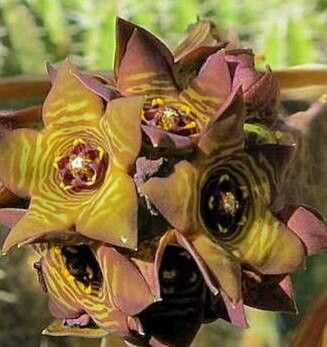
Oh, hello there, fellow plant enthusiast! I’m so glad you’re here. Today, we’re going to dive into the wonderful world of propagating Boucerosia frerei. If you’ve ever admired its unique, almost sculptural form and delicate blooms, you’re not alone. This intriguing succulent cousin is a real conversation starter in any collection.
The best part about propagating Boucerosia frerei? It’s incredibly rewarding. Watching a tiny cutting transform into a beautiful, established plant is pure gardening magic. Now, is it a walk in the park for absolute beginners? Honestly, it can be a little less forgiving than, say, a pothos, but with a few key pointers, you’ll be well on your way to success. Don’t let that deter you; persistence is often the best fertilizer!
The Best Time to Start
My favorite time to get my hands dirty with Boucerosia frerei propagation is during its active growing season. This is typically in the late spring and early summer, when the plant is producing new growth and has plenty of energy. You’ll want to take cuttings from healthy, mature stems that aren’t flowering. Trying to propagate during the plant’s dormant period, usually in winter, would be like asking a sleepy bear to run a marathon – not ideal!
Supplies You’ll Need
Gathering your tools beforehand makes the whole process so much smoother. Here’s what I always have on hand:
- Sharp, clean pruning shears or a sharp knife: This is non-negotiable for clean cuts to prevent disease.
- Well-draining potting mix: I usually use a cactus and succulent mix, or I make my own by combining 50% potting soil with 50% perlite or pumice. Good drainage is key!
- Small pots or trays: Terracotta pots are fantastic because they breathe and help dry out the soil faster, which is a bonus for succulents.
- Rooting hormone (optional but recommended): A little dip in rooting hormone can give your cuttings a significant boost.
- Dibber or pencil: For making a hole in the soil to insert your cuttings.
- Watering can with a fine rose or a spray bottle: For gentle watering.
- Labels and a permanent marker: To keep track of what you’ve planted and when.
Propagation Methods
Boucerosia frerei is most commonly propagated through stem cuttings. It’s straightforward and usually yields excellent results.
Stem Cuttings:
- Select your cutting: Choose a healthy, mature stem that’s at least 3-4 inches long.
- Make a clean cut: Using your sharp shears or knife, make a clean cut just above a leaf node (where a leaf attaches to the stem).
- Allow to callous: This is a VERY important step for succulents. Lay your cuttings on a dry surface, out of direct sunlight, for 2-7 days. You want the cut end to dry and form a scab, or callous. This prevents rot when you plant them.
- Apply rooting hormone (optional): Once calloused, dip the cut end into rooting hormone, tapping off any excess.
- Plant your cuttings: Fill your small pots with your well-draining potting mix. Use your dibber or pencil to make a hole in the center. Gently insert the calloused end of the cutting into the hole, ensuring it’s stable. You can plant several cuttings in one pot, spaced a few inches apart.
- Water sparingly: After planting, water very lightly, just enough to settle the soil around the cutting. I prefer to wait a day or two after planting before the first light watering.
The “Secret Sauce” (Pro Tips)
Here are a couple of tricks I’ve learned over the years that can really make a difference:
- Patience with the Calousing: I cannot stress this enough! Don’t rush the callousing period. If you plant a wet cutting, you’re practically inviting rot. It might feel like a long time, but that dry scab is your cutting’s best defense.
- Bottom Heat for Rooting: If you have a propagation mat or can place your pots on a warm windowsill, the gentle bottom heat can significantly speed up root development. It mimics ideal growing conditions and gives those little roots a gentle nudge to emerge.
- Don’t Waterlog! This is a perennial problem with succulents. Until you see signs of new growth or feel some resistance when gently tugging on the cutting, water very infrequently. It’s much easier to revive an underwatered succulent than an overwatered one. Let the soil dry out considerably between waterings.
Aftercare & Troubleshooting
Once your cuttings have developed roots (you can test this gently by giving them a very slight tug – if there’s resistance, roots are forming!), you can begin to water them a bit more regularly, but still allowing the soil to dry out between waterings. They’re still delicate at this stage.
The biggest thing to watch out for is rot. If your cutting turns mushy, black, or watery, it’s likely rotted. This usually happens if the cutting didn’t callous properly, was planted in too-wet soil, or received too much water too soon. If you spot rot, gently remove the affected cutting to prevent it from spreading. Sometimes, you can salvage a portion by cutting away the rotted part and allowing the remaining healthy section to callous and try again.
A Warm Closing
Propagating plants is a journey, and Boucerosia frerei is a lovely companion on that path. Remember, patience is a gardener’s best friend, and every cutting is a new opportunity to learn and grow. Don’t be discouraged if your first few attempts aren’t perfect. Enjoy the process, celebrate each little success, and before you know it, you’ll have a whole new collection to share and admire. Happy propagating!
Resource: