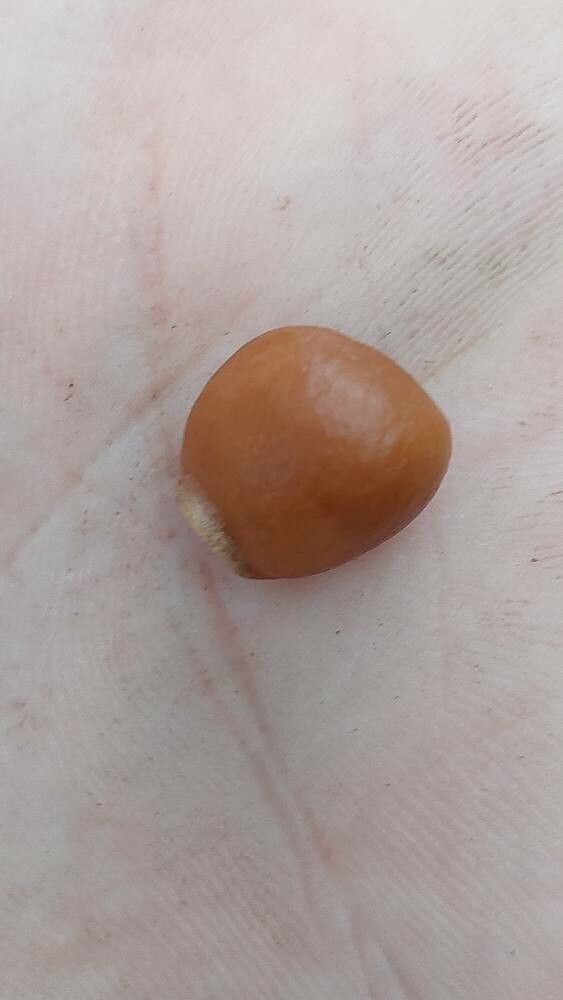
Hello, fellow plant lovers! Today, we’re diving into the world of Staphylea pinnata, also known as the European bladdernut. If you’re drawn to plants that offer delicate beauty and a touch of whimsy, this is one you’ll adore. I remember the first time I saw its cascading white flowers, followed by those fascinating, papery seed pods – it was love at first sight! Propagating it yourself is incredibly rewarding, giving you more of this garden gem to share or enjoy. Now, while propagating some plants feels like a high-stakes science experiment, I find Staphylea pinnata to be quite forgiving, which is great news for all of us, whether you’re just starting your plant journey or have a few seasons under your belt.
The Best Time to Start
For the absolute best chance of success with Staphylea pinnata, I always lean towards late spring or early summer. This is when the plant is actively growing and has plenty of energy to put into developing new roots. You’re looking for softwood cuttings, which are those new, flexible shoots that haven’t quite hardened off yet. Think of them as the plant’s enthusiastic teenagers – full of life and ready to sprout!
Supplies You’ll Need
Gathering your tools beforehand makes the whole process smoother. Here’s what I recommend having on hand:
- Sharp pruning shears or a clean, sharp knife: For making clean cuts.
- Rooting hormone (optional but recommended): Look for one formulated for softwood cuttings.
- Small pots or trays: With good drainage holes.
- A well-draining potting mix: I like a blend of peat moss or coco coir, perlite, and a touch of coarse sand. This ensures water doesn’t get waterlogged.
- Watering can or spray bottle: For gentle watering.
- Plastic bags or a propagation dome: To create a humid environment for your cuttings.
- A warm location: Somewhere out of direct, scorching sun.
Propagation Methods
While you can try layering with Staphylea pinnata, I’ve had the most consistent success with stem cuttings. Here’s how I do it:
Method: Softwood Stem Cuttings
- Take the Cuttings: In late spring or early summer, select healthy, vigorous shoots that are about 4-6 inches long. Make a clean cut just below a leaf node (where a leaf attaches to the stem). This is where roots are most likely to form.
- Prepare the Cuttings: Gently remove any leaves from the bottom half of the cutting. You can leave the top 2-3 leaves, but if they are very large, I often pinch them in half to reduce water loss through transpiration.
- Apply Rooting Hormone (Optional): Dip the cut end of the stem into your rooting hormone, tapping off any excess. This step really gives your cuttings a helpful boost.
- Potting Up: Fill your pots or trays with your prepared potting mix. Make a small hole with a pencil or your finger in the center of the soil.
- Insert the Cuttings: Carefully insert the prepared cuttings into the holes, ensuring at least one leaf node is buried beneath the soil surface. Gently firm the soil around the base of each cutting.
- Watering: Water thoroughly but gently, allowing excess water to drain away. You don’t want the soil to be soggy, just consistently moist.
- Create Humidity: Cover the pots with a plastic bag (ensure it doesn’t touch the leaves) or place them under a propagation dome. This creates a mini-greenhouse effect, which is essential for cuttings that haven’t developed roots yet.
The “Secret Sauce” (Pro Tips)
Over the years, I’ve learned a few little tricks that seem to make all the difference:
- Cleanliness is Key: Always use clean tools and containers. This dramatically reduces the chance of fungal diseases taking hold, which is the bane of any propagator’s existence.
- Bottom Heat is Your Friend: If you have a propagation mat or can place your pots on a gently warming surface, it can significantly speed up root development. Think of it as giving your cuttings a warm foot bath, encouraging them to stretch out those roots.
- Patience with the Pods: Even if your cuttings don’t look like they’re doing much for weeks, don’t despair too soon. Staphylea pinnata can be a bit slow to root compared to some other plants. Resist the urge to dig them up and check too early!
Aftercare & Troubleshooting
Once your cuttings have started to show signs of life – you might see new leaf growth or feel a gentle tug when you very carefully try to lift them – it’s time to start acclimating them to normal conditions.
- Gradual Acclimation: Slowly reduce the humidity over a week or two by opening the plastic bag a little more each day, or lifting the dome for longer periods.
- Light: Move them to a bright, indirect light location. Avoid harsh, direct sun, which can scorch tender new growth.
- Watering: Continue to keep the soil consistently moist but not waterlogged.
- Troubleshooting: The most common issue is rot, which usually happens when the soil is too wet and there isn’t enough air circulation. If you see stems turning black or mushy, unfortunately, that cutting is likely lost. Prevention is key here – ensure good drainage and don’t overwater. If you notice wilting without any signs of root rot, it might be that the cutting just hasn’t rooted yet and is struggling to get enough water. Try increasing humidity again.
Keep Growing!
Propagating plants, especially beautiful ones like Staphylea pinnata, is a journey of learning and observation. Don’t be discouraged if your first attempt isn’t perfect. Every cutting you try teaches you something new. Be patient, enjoy the process, and soon you’ll be rewarded with your very own bladdernut babies! Happy propagating!
Resource:
https://identify.plantnet.org/k-world-flora/species/Staphylea%20pinnata%20L./data