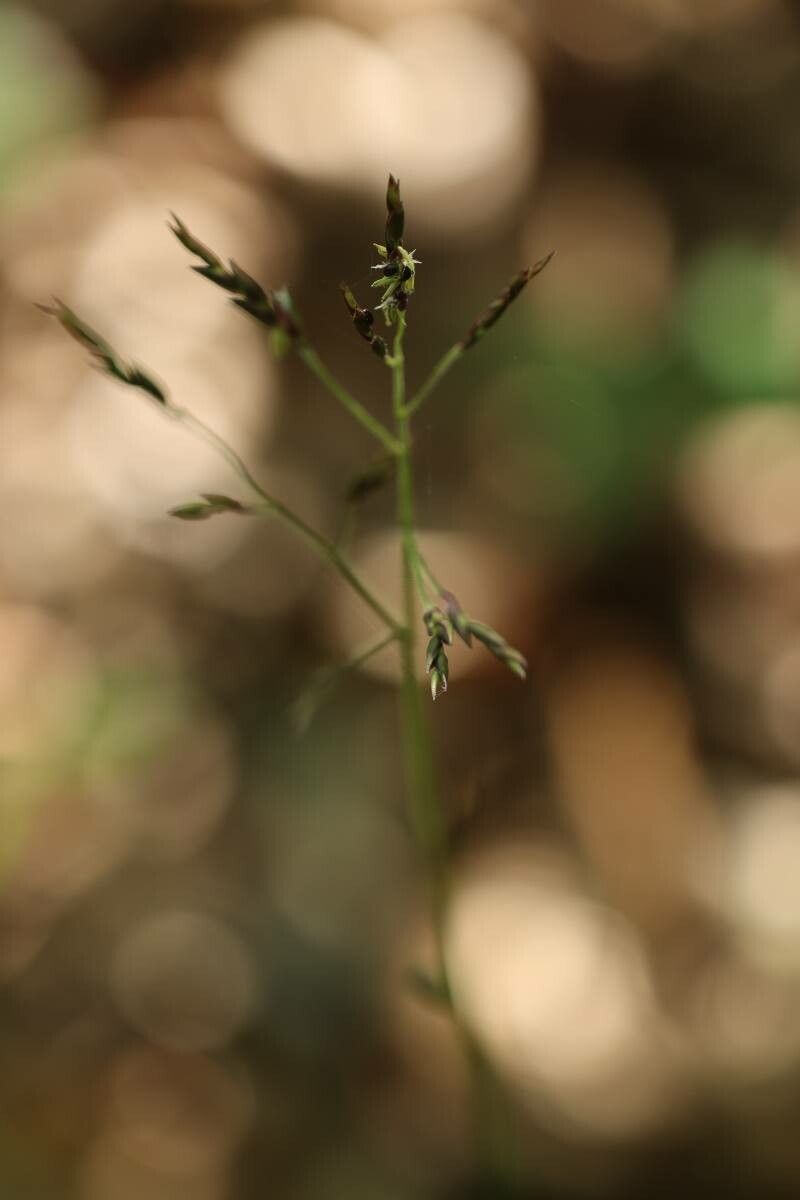
Hello there, fellow garden enthusiasts! Today, I want to chat with you about a plant that truly brings a touch of the tropics into our lives: Sasa senanensis. This graceful bamboo, with its handsome, upright culms and lush foliage, is a real showstopper. Propagating it is such a joy, and honestly, it’s a fantastic way to fill your garden with more of that serene, natural beauty without breaking the bank. If you’re just starting out in the world of plant propagation, you’ll find Sasa senanensis to be quite forgiving. It’s a great plant to learn with!
The Best Time to Start
For the happiest, most successful Sasa senanensis propagation, spring is your best bet. That’s when the plant is really waking up and has the energy to put out new growth. Look for new shoots that are just starting to emerge or are a few inches tall. Aim to take your cuttings or divide your plant during this active growth phase.
Supplies You’ll Need
Gathering your supplies beforehand makes the whole process so much smoother. Here’s what I typically have on hand:
- Sharp pruning shears or a clean knife: A clean cut is crucial for preventing disease.
- Rooting hormone (optional but recommended): This can give your cuttings a helpful boost.
- Well-draining potting mix: I like a blend of equal parts peat moss, perlite, and compost. For division, you can often use your regular garden soil.
- Pots or containers: Small pots for cuttings or larger ones for divisions. Make sure they have drainage holes!
- Clear plastic bag or propagation dome: This helps maintain humidity for cuttings.
- Watering can with a fine rose: Gentle watering is key.
- Labels: Trust me, you’ll thank yourself later!
Propagation Methods
There are a couple of ways to get more Sasa senanensis plants, and both are pretty straightforward.
1. Stem Cuttings: This is my go-to for increasing my numbers fairly quickly.
- Select your cutting: Find a healthy, vigorous stem that’s about 6-12 inches long. Make sure it has at least two or three nodes (the little bumps where leaves emerge).
- Make the cut: Using your sharp shears, make a clean cut just below a node.
- Prepare the cutting: Gently remove the lower leaves, leaving just one or two at the very top. This prevents them from rotting in the soil.
- Apply rooting hormone (optional): Dip the cut end into your rooting hormone powder, tapping off any excess.
- Plant the cutting: Stick the cutting into your prepared potting mix, ensuring at least one node is buried beneath the surface.
- Water gently: Moisten the soil thoroughly but avoid waterlogging.
- Create a humid environment: Cover the pot with a clear plastic bag or place it under a propagation dome. Open it up for a few minutes each day to allow for air circulation.
- Provide warmth and light: Place the pot in a bright spot, but out of direct scorching sunlight. A little warmth from a heat mat can really speed things up.
2. Division: This is perfect if you already have a mature clump.
- Dig it up: Gently dig around the base of the Sasa senanensis clump. You want to expose the rhizomes (the underground stems).
- Separate the clumps: Using your pruning shears or a spade, carefully divide the clump into smaller sections. Each section should have a good amount of roots and at least one healthy shoot.
- Replant immediately: Plant the divided sections into their new homes – either in pots or directly into the garden.
- Water well: Give them a good drink of water to help them settle in.
The “Secret Sauce” (Pro Tips)
Here are a couple of things I’ve learned over the years that can make a big difference:
- Don’t let any leaves touch the water when water propagating. If you decide to try rooting your cuttings in water, make sure those lower leaves are well above the water line. Leaves submerged can quickly turn mushy and invite rot.
- Bottom heat is your friend. While not strictly necessary, placing your pots on a seedling heat mat provides consistent warmth to the roots, which encourages faster and more reliable root development for cuttings. You’ll see results much sooner!
- For divisions, choose pieces with visible buds. When you’re splitting up a larger plant, look for sections of the rhizome that have small, swollen buds on them. These are the spots where new shoots will emerge, giving your division a head start.
Aftercare & Troubleshooting
Once you see new growth appearing, that’s a good sign! It means roots are forming.
- For cuttings: Gradually acclimate them to less humid conditions by removing the plastic bag for longer periods each day over a week or two. You’ll know they’re ready to be treated as a regular potted plant when they resist a gentle tug.
- For divisions: Keep the soil consistently moist but not soggy. They might look a little stressed for a while, but be patient.
The most common issue you might encounter is rot. If your cutting or division looks slimy, turns black, or smells unpleasant, it’s likely succumbed to rot. This is often due to overwatering or poor drainage. Don’t get discouraged! Just try again, ensuring better airflow and a lighter hand with the watering.
A Little Encouragement
Propagating Sasa senanensis is a deeply rewarding experience. Watching those tiny roots form and a new plant emerge from what was once just a stem is a little bit of magic. Be patient with your new charges, offer them a bit of care, and soon you’ll have more of this beautiful bamboo to enjoy. Happy gardening!
Resource: