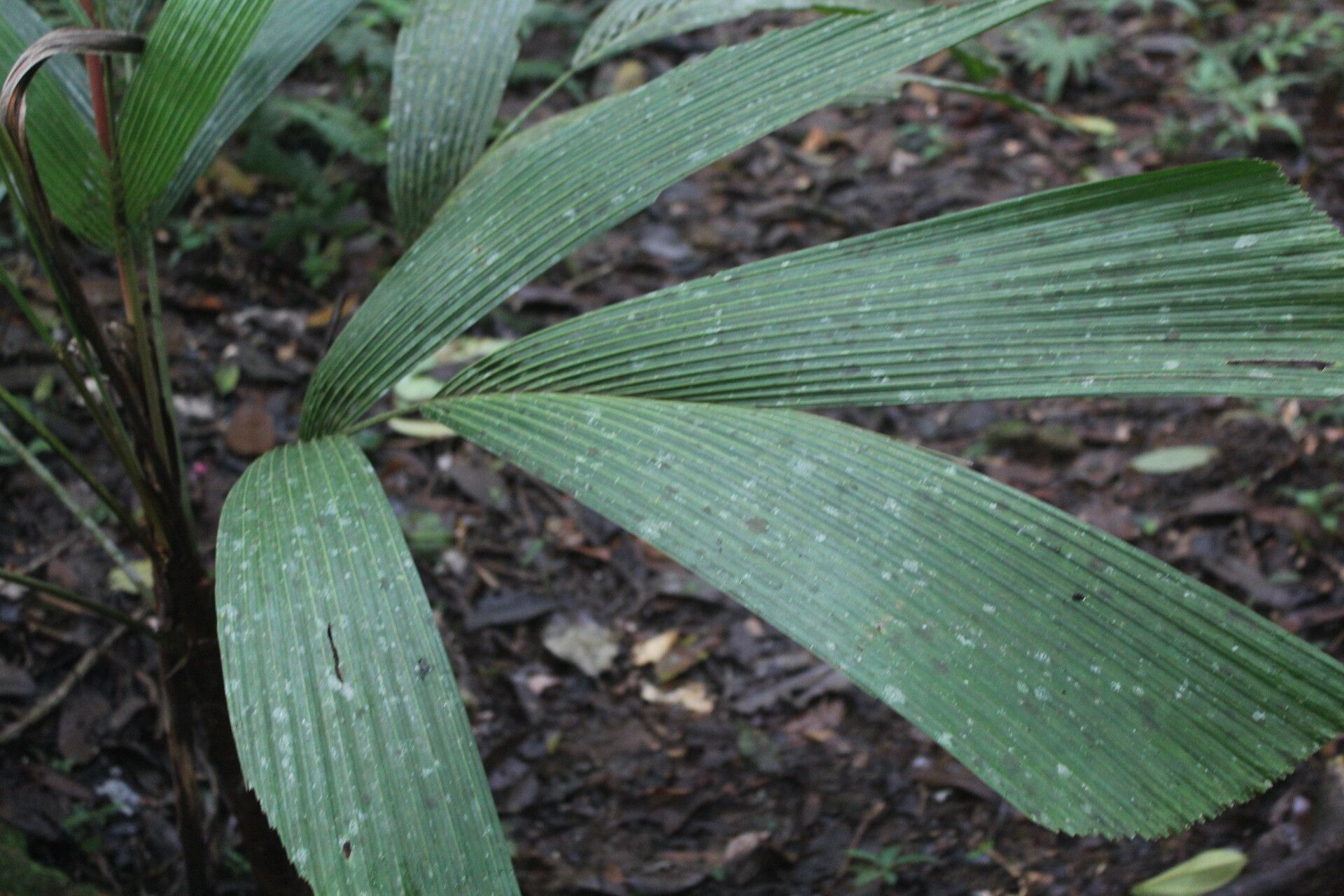
Hello, fellow plant lovers! If you’ve ever admired the elegant, feathery fronds of Reinhardtia latisecta, you’re in for a treat. This palm isn’t just a stunner; it’s surprisingly rewarding to propagate. Getting new plants from the ones you already cherish is a special kind of magic, and while Reinhardtia latisecta might not be the absolute easiest plant to start with for a complete novice, it’s certainly achievable with a little care and the right approach.
The Best Time to Start
Honestly, the best time to dive into propagating Reinhardtia latisecta is when it’s actively growing. That means spring and summer are your prime windows. You’ll want to start with a healthy, vigorous plant that’s showing good new growth. This energy translates directly into successful rooting. Trying this during the plant’s dormant period is just asking for disappointment.
Supplies You’ll Need
To set yourself up for success, gather a few things:
- Sharp Pruning Shears or a Clean Knife: For making clean cuts.
- Rooting Hormone (Optional but Recommended): Especially helpful for palms. Look for one with auxin.
- Well-Draining Potting Mix: A peat-moss-based mix amended with perlite or coarse sand works wonderfully. You want to avoid anything that holds too much moisture.
- Small Pots or Propagation Trays: Clean and with drainage holes, of course.
- Plastic Bags or a Propagation Dome: To create a humid environment.
- Watering Can or Mister: For gentle watering.
- Gloves (Optional): To keep your hands clean.
Propagation Methods
Now, let’s get our hands dirty! For Reinhardtia latisecta, division is usually the most straightforward and successful method.
Division
- Gently Remove the Plant: Carefully take your mature Reinhardtia latisecta out of its pot. You might need to loosen the soil around the edges with a trowel.
- Inspect the Root Ball: Look for offshoots or pups that are growing from the base of the main plant. These are what you’re after. They’ll typically have their own small root system.
- Separate the Pups: Gently tease apart the roots using your fingers or a clean knife. You want to ensure each pup has a good portion of its own roots. If a pup has very few roots, don’t worry too much, as long as it has healthy stem tissue.
- Pot Them Up: Place each separated pup into its own small pot filled with your well-draining potting mix. Plant them at the same depth they were growing previously.
- Water Lightly: Give them a gentle watering to settle the soil.
The “Secret Sauce” (Pro Tips)
Here are a few things I’ve learned over the years that can make a real difference:
- Embrace the Mist: Palms love humidity, and newly divided plants are no exception. Once potted, lightly mist the leaves of your divided pup a couple of times a day for the first week or two. This helps reduce stress while the roots establish themselves.
- The Art of Patience: Seriously, this is key. Don’t be tempted to tug on the pup to see if it has roots too early. Wait at least 3-4 weeks before even thinking about checking for root development. Give it time to settle in and do its thing.
- Avoid Overwatering Like the Plague: This is the number one killer of newly potted plants, especially palms. The soil should be just barely moist, never soggy. Stick your finger an inch or two into the soil; if you feel moisture, hold off on watering.
Aftercare & Troubleshooting
Once your Reinhardtia latisecta pup has started to show new growth – a sure sign of successful rooting – it’s time to transition it to more regular care.
Continue to keep the soil consistently lightly moist. As it grows stronger, gradually increase its light exposure. Move it from the shadier propagation spot to a brighter location that mimics the conditions of your mature plant.
The most common issue you’ll encounter is rot. This almost always stems from overwatering or poor drainage. If you notice yellowing leaves, a slimy base, or a generally limp appearance that doesn’t improve with proper watering, it’s a bad sign. If you catch rot early, you might be able to salvage a healthy section by cutting away the affected parts and repotting in fresh, dry soil.
A Encouraging Closing
Propagating your Reinhardtia latisecta is a journey, and like any good journey, it’s about the process. Be patient with your new little palms, celebrate every new frond, and don’t be discouraged if not every attempt is an instant success. You’re nurturing new life, and that’s always a worthwhile endeavor. Happy growing!
Resource: