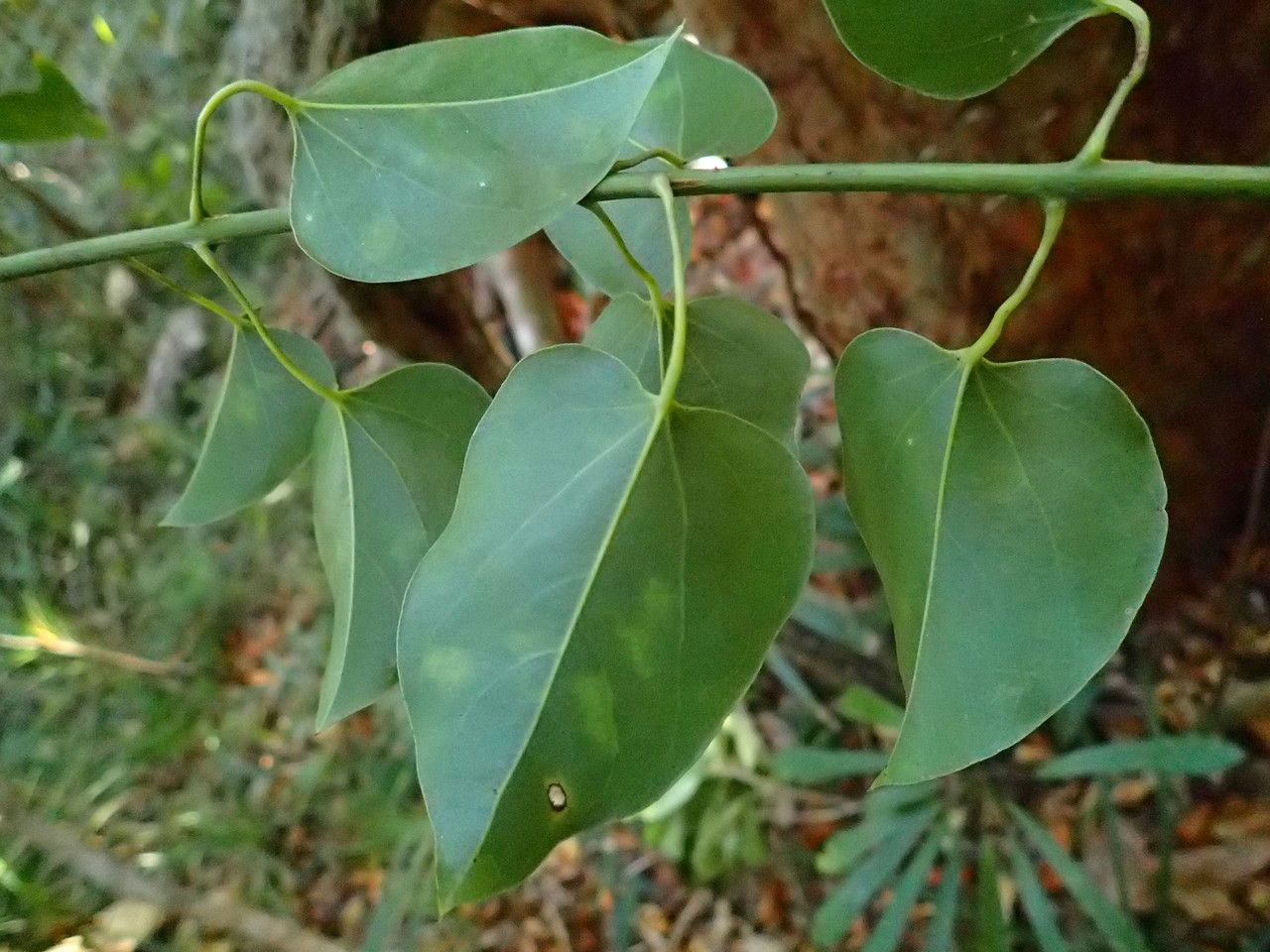
Hey there, fellow plant pals! It’s your garden buddy, here to chat about a gem of a plant: Pachygone loyaltiensis. If you’ve seen this beauty in person, you know exactly what I mean. Its lush, glossy leaves and graceful habit make it a real showstopper. And guess what? Growing more of these beauties yourself is incredibly satisfying. It’s like bottling up a little piece of paradise to share or keep all to yourself! For those of you who are just dipping your toes into the world of plant propagation, this one might take a tiny bit of patience, but it’s far from impossible. I’d say it’s a happy medium – challenging enough to feel like a real accomplishment, but absolutely doable.
The Best Time to Start
Hands down, the spring or early summer is your golden ticket for propagating Pachygone loyaltiensis. This is when the plant is bursting with new growth and has the energy to bounce back from taking cuttings or division. You’ll get the best results when the plant is actively growing, not when it’s resting or stressed. Look for stems that are young and pliable, not woody and old.
Supplies You’ll Need
To give your Pachy a great start, gather these essentials:
- Sharp Pruning Shears or a Clean Knife: For making clean cuts that heal well.
- A Well-Draining Potting Mix: I love a mix of peat moss, perlite, and a bit of compost. It’s airy and prevents waterlogging.
- Rooting Hormone (Optional but Recommended): This little helper gives your cuttings a significant boost. Look for one specifically for softwood cuttings.
- Small Pots or Propagation Trays: Clean ones are key!
- A Clear Plastic Bag or Propagator Lid: To create a humid environment.
- Water: For water propagation or lightly moistening your soil.
Propagation Methods
Let’s get our hands dirty! Here are a couple of ways we’ll coax new life from your Pachygone loyaltiensis:
Stem Cuttings
This is my go-to method for this plant.
- Find a Healthy Stem: Look for a stem that has grown recently, about 4-6 inches long. It should be green and somewhat flexible, not brittle.
- Make the Cut: Using your sharp shears, make a clean cut just below a leaf node (where a leaf attaches to the stem). This is where the magical rooting hormones are concentrated.
- Prepare the Cutting: Gently remove the lower leaves, leaving only the top two or three leaves. If the remaining leaves are very large, you can cut them in half to reduce water loss.
- Apply Rooting Hormone (Optional): Dip the cut end of the stem into your rooting hormone powder. Tap off any excess.
- Plant Your Cutting: Fill your clean pot with your well-draining mix, making a small hole with your finger. Gently insert the cutting into the hole, ensuring the nodes are covered by the soil.
- Water Lightly: Water the soil until it’s evenly moist but not soggy.
- Create Humidity: Cover the pot with a clear plastic bag or a propagator lid. This traps moisture, which is crucial for cuttings to root. Make sure the leaves don’t touch the plastic.
Water Propagation
This method is particularly rewarding as you can watch the roots develop!
- Select and Cut: Follow steps 1 and 2 from the stem cutting method.
- Place in Water: Put the cutting in a clean jar or glass of lukewarm, filtered water. Make sure the leaf nodes are submerged.
- Positioning is Key: The crucial part here is to ensure the leaves themselves are NOT in the water. Only the submerged stem and nodes should be in contact with the water. Leaves floating in the water will rot and can take your cutting down with them.
- Change Water Regularly: Change the water every few days to keep it fresh and prevent bacterial growth.
The “Secret Sauce” (Pro Tips)
Here are a couple of little tricks I’ve learned over the years that can really up your success rate:
- Bottom Heat is Your Friend: If you’re struggling with rooting or it’s not quite warm enough, popping your pot on a gentle heat mat can make a world of difference. It encourages root development from below.
- Don’t Be Afraid to Experiment with Leaf Nodes: Sometimes, a slightly older, yet still pliable stem will root better. Don’t be discouraged if your first few cuttings don’t take. Learn from them and try again! Just make sure you’re always cutting below a node.
Aftercare & Troubleshooting
Once your cuttings have developed roots (you might see them peeking out the bottom of the pot or growing in the water), it’s time for a little pampering.
- For Water Cuttings: Once you have good root growth, about an inch or two long, you can carefully transplant them into your potting mix. Treat them gently as if they were a delicate seedling.
- For Soil Cuttings: If you don’t see any wilting, leave the plastic bag on for a couple of weeks. Once you see new leaf growth, you can gradually acclimate the cutting to normal humidity by slowly opening the bag over a few days.
- Watering: Keep the soil consistently moist but never waterlogged. This is the most common pitfall.
- Troubleshooting: The most common issue is rot. If your cutting turns brown and mushy, or the leaves start to yellow and drop off rapidly, it’s usually a sign of too much moisture or not enough airflow. If you see rot starting, you might need to discard that cutting and try again with a cleaner setup and slightly drier soil.
A Little Patience Goes a Long Way
Remember, propagating plants is a journey. Every cutting is a little experiment, and not every one will be a roaring success. Don’t let a few failures get you down. The joy of watching a tiny cutting transform into a thriving plant is truly special. So, grab your shears, get your hands dirty, and enjoy the magic of growing your own Pachygone loyaltiensis! Happy planting!
Resource:
https://identify.plantnet.org/k-world-flora/species/Pachygone%20loyaltiensis%20Diels/data