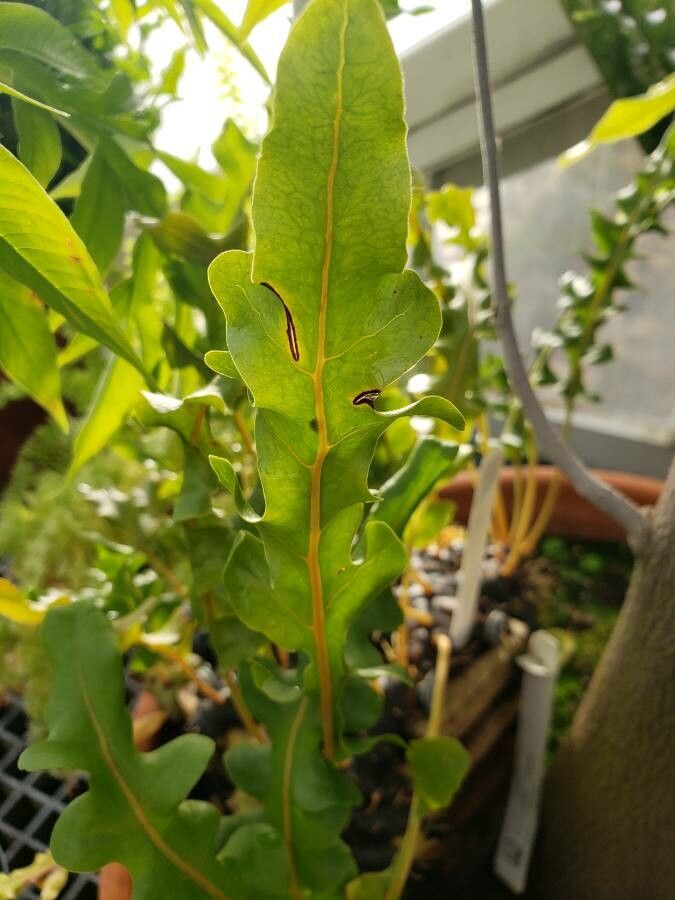
Oh, hello there, fellow plant enthusiast! I’m so glad you’ve decided to dive into the wonderful world of propagating Lecanopteris carnosa. If you’ve ever admired these unique, ant-housing ferns, you know they have a certain magic about them. They’re not your everyday houseplant, and coaxing a new one into existence feels like unlocking a little green secret.
Why Propagate Lecanopteris Carnosa?
There’s something incredibly satisfying about watching a tiny plant grow from a mere piece of its parent. With Lecanopteris carnosa, it’s even more special. These ferns, often called ‘Ant Ferns’ or ‘Ant Plants,’ develop interesting rhizomes that resemble miniature ant tunnels. Propagating them allows you to share this quirky beauty or simply expand your own collection without breaking the bank. Now, are they the absolute easiest plant for a brand-new gardener? Perhaps not. They appreciate a bit of attention, but with a few key pointers, you’ll be well on your way to success. Don’t let that deter you!
The Best Time to Start
For Lecanopteris carnosa, the sweet spot for propagation is generally during its active growing season. Think late spring through summer. This is when the plant has ample energy to put into producing new roots and shoots. You’ll want to select healthy, vigorous parts of the parent plant, rather than any that look stressed or weak. A strong cutting or division will give you the best chance of success.
Supplies You’ll Need
Gathering your tools beforehand makes the whole process smoother. Here’s what you’ll want on hand:
- Sharp Pruning Shears or a Clean Knife: For making clean cuts that heal well.
- Potting Mix: A well-draining mix is crucial. I like to use a blend of orchid bark, perlite, and peat moss (or coco coir). About a 2:1:1 ratio works wonders for these guys.
- Small Pots or Propagation Trays: Clean pots are a must to avoid diseases.
- Rooting Hormone (Optional but Recommended): This can give your cuttings a helpful boost. Look for one specifically for cuttings, available in powder or gel form.
- Plastic Bags or a Propagation Dome: To create a humid environment.
- Watering Can or Spray Bottle: For gentle watering.
- Labels and a Marker: To keep track of what you’ve propagated and when.
Propagation Methods
Lecanopteris carnosa can be propagated from sections of its rhizome or from stem cuttings. Division of the rhizome is often the most reliable method.
1. Rhizome Division:
This is my go-to for Lecanopteris.
- Gently Uproot: Carefully remove the parent plant from its pot.
- Inspect the Rhizomes: Look for sections of the rhizome that have at least one or two healthy fronds (leaves) attached and are a good size – a few inches long is ideal.
- Make the Cut: Using your clean shears or knife, carefully separate a healthy rhizome section from the main plant. Try to keep as many healthy roots attached to the division as possible. If the rhizome is very woody, you might need to use a bit more force, but be precise.
- Potting Up: Fill your small pots with your prepared well-draining potting mix. Make a small indentation in the center.
- Planting: Place the rhizome section in the indentation, ensuring the fronds are pointing upwards. Gently firm the mix around the rhizome, making sure it’s stable but not buried too deeply. The top of the rhizome should be visible.
- Water Gently: Water thoroughly but gently, allowing excess water to drain away.
2. Stem Cuttings (Less Common, More Experimental):
While rhizome division is preferred, you might try stem cuttings if you have a particularly lush plant.
- Take Your Cutting: Select a healthy, mature stem that has at least one node (the point where a leaf attaches to the stem). Cut about 4-6 inches of stem. Remove the lower leaves, leaving just a few at the top.
- Apply Rooting Hormone: Dip the cut end of the stem into rooting hormone.
- Plant: Insert the cut end into your prepared well-draining potting mix in a small pot.
- Watering: Water gently.
The “Secret Sauce” (Pro Tips)
Here are a couple of tricks I’ve learned over the years that can really make a difference:
- Avoid Waterlogging at All Costs: This is probably the single most important thing. Lecanopteris carnosa rhizomes absolutely hate sitting in soggy soil. The mix needs to be airy, and you should only water when the top inch or so feels dry. Overwatering will lead to rot faster than you can say “new fern.”
- Mimic the Tropics for Cuttings: If you’re trying stem cuttings, once they’re potted, cover the pot loosely with a plastic bag or use a propagation dome. This creates that humid microclimate they crave. You can even use a heating mat placed under the propagation tray. This gentle warmth from below can significantly speed up root development, especially for those trickier stem cuttings. Just keep an eye on the temperature to avoid cooking them!
Aftercare & Troubleshooting
Once your propagations are planted, it’s time for gentle nurture.
For Rhizome Divisions: Keep the soil lightly moist but never wet. Place them in bright, indirect light. You’ll start to see new frond growth emerge from the rhizome within a few weeks to a couple of months. Once you see healthy new growth and the rhizome feels firmly anchored, you can treat it like a mature plant.
For Stem Cuttings: Maintain that high humidity. If you see any leaves yellowing or falling off, it might be a sign of too much or too little water, or insufficient light. Gently tug on the cutting; if there’s resistance, it’s a good sign roots are forming.
Troubleshooting:
- Rotting: The most common issue. If your rhizome or cutting turns mushy and black, it’s usually a sign of overwatering and insufficient drainage. There’s often no coming back from severe rot.
- No Growth: Be patient! Sometimes it just takes time. Ensure it has adequate light and consistent (but not excessive) moisture. If it’s been months with absolutely no sign of life and the rhizome feels soft and mushy, it might have failed.
A Little Patience Goes a Long Way
Propagating Lecanopteris carnosa is a journey, not a race. Some will succeed quickly, others might take their sweet time. Don’t get discouraged if your first attempt isn’t a roaring success. Learn from it, adjust your techniques, and most importantly, enjoy the process of nurturing these fascinating plants. Happy growing, and I can’t wait to hear about your new green babies!
Resource:
https://identify.plantnet.org/k-world-flora/species/Lecanopteris%20carnosa%20(Reinw.)%20Blume/data