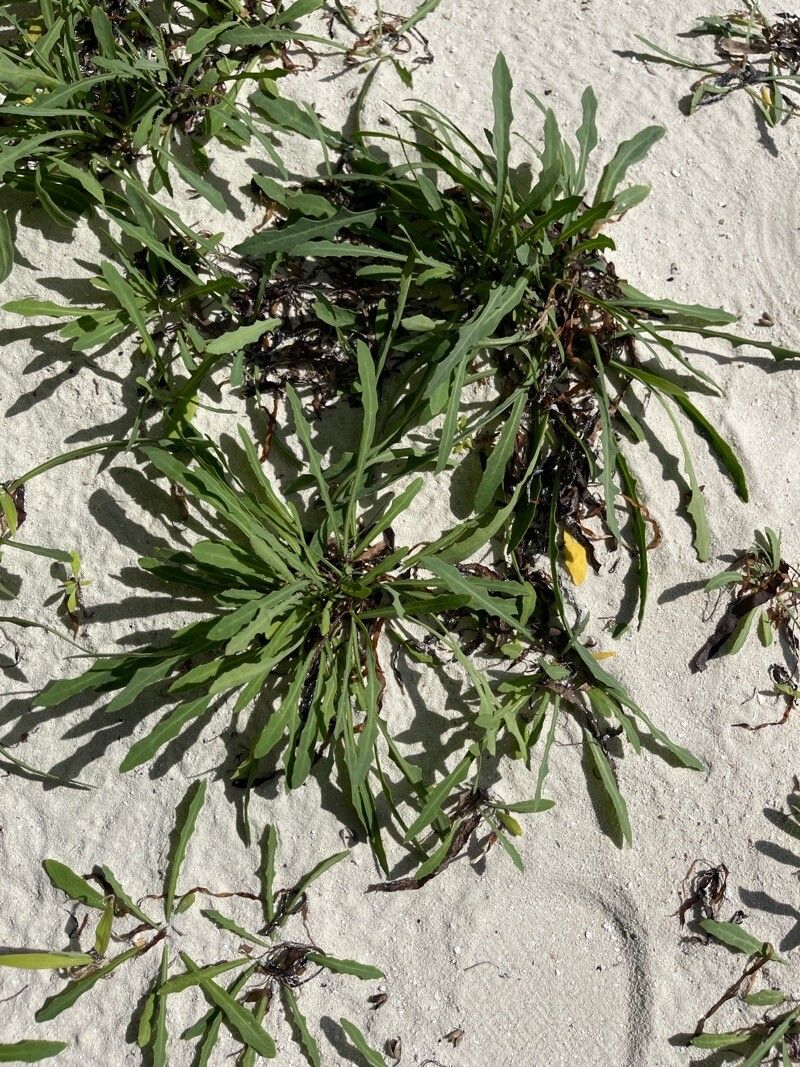
Hello there, fellow garden enthusiasts! If you’ve ever admired those lush, sprawling carpets of Launaea sarmentosa gracing sunny spots, you’re not alone. This hardy little groundcover is an absolute delight with its cheerful green foliage and surprising resilience. And guess what? Propagating it is a wonderfully rewarding way to expand your collection or share this beauty with friends. For beginners, I’d say Launaea sarmentosa is pretty forgiving. You’ll find success comes with a bit of mindful effort, but it’s not an overly fussy plant to work with at all.
The Best Time to Start
My favorite time to get growing with Launaea sarmentosa is when the weather starts to warm up. Think late spring or early summer. The plant is actively growing during this period, which means cuttings and divisions have a much better chance of taking root quickly. You want to avoid propagating when it’s too hot and dry, or conversely, when it’s cold and damp. That sweet spot of active, vigorous growth is key!
Supplies You’ll Need
Gathering your tools beforehand makes the whole process much smoother. Here’s what I usually have on hand:
- Sharp pruning shears or a clean knife: For making neat cuts.
- Well-draining potting mix: I often use a mix of equal parts potting soil, perlite, and coarse sand. This is crucial!
- Small pots or trays: For your new cuttings.
- Rooting hormone (optional but helpful): Especially if you’re feeling a bit nervous about root development.
- Watering can with a fine rose or spray bottle: For gentle watering.
- Labels and a marker: To keep track of what you’ve planted.
Propagation Methods
Launaea sarmentosa is generally a breeze to propagate, and I find two methods work exceptionally well.
Stem Cuttings
This is my go-to for a quick and reliable start.
- Select healthy stems: Look for vibrant, non-flowering stems that are at least 4-6 inches long. Pinch off any lower leaves.
- Make the cut: Using your clean shears, make a clean cut just below a leaf node. This is where new roots like to form.
- Prepare the cutting: If you’re using rooting hormone, dip the cut end into it.
- Plant the cutting: Gently insert the cut end into your prepared, moist potting mix. Ensure at least one leaf node is buried.
- Water gently: Give it a light watering.
Division
If you have a mature, established plant, division is a fantastic option.
- Gently unpot the plant: Carefully remove the entire plant from its container.
- Loosen the root ball: Gently tease apart the soil and roots. You’re looking for natural breaks where the plant can be separated into smaller, manageable clumps.
- Separate the clumps: With your hands or a sharp knife, divide the plant into sections, each with a good amount of roots and some healthy foliage.
- Pot up the divisions: Plant each division into its own pot filled with well-draining soil. Water well.
The “Secret Sauce” (Pro Tips)
Here are a couple of little tricks that have never steered me wrong:
- Humidity is your friend: Cuttings can dry out quickly. I often place a clear plastic bag over the pots, creating a mini-greenhouse. Just make sure to ventilate it daily to prevent mold.
- Be patient with water propping: If you opt to root cuttings in water, use a clear glass so you can see the roots develop. Crucially, don’t let the leaves touch the water. Only the stem should be submerged, otherwise, they’ll rot before they even have a chance to grow roots.
Aftercare & Troubleshooting
Once you see signs of new growth – tiny leaves unfurling or the cuttings resisting a gentle tug – you know they’re rooting! Continue to keep the soil consistently moist but not waterlogged. As they get stronger, you can gradually acclimate them to less humidity.
The most common issue you might encounter is rot. If you see your cuttings looking limp, mushy, or turning black, it’s a sign of too much moisture and not enough air circulation. Don’t be discouraged! Remove any rotted parts immediately and try again, this time focusing on that well-draining soil and ensuring you’re not overwatering.
Happy Growing!
Propagating plants, especially something as cheerful as Launaea sarmentosa, is a journey of observation and a little bit of faith. Don’t be afraid to experiment, and remember to enjoy the process. With a bit of care and these tips, you’ll soon have a whole lot more of this lovely groundcover to brighten your space. Happy gardening!
Resource:
https://identify.plantnet.org/k-world-flora/species/Launaea%20sarmentosa%20(Willd.)%20Kuntze/data