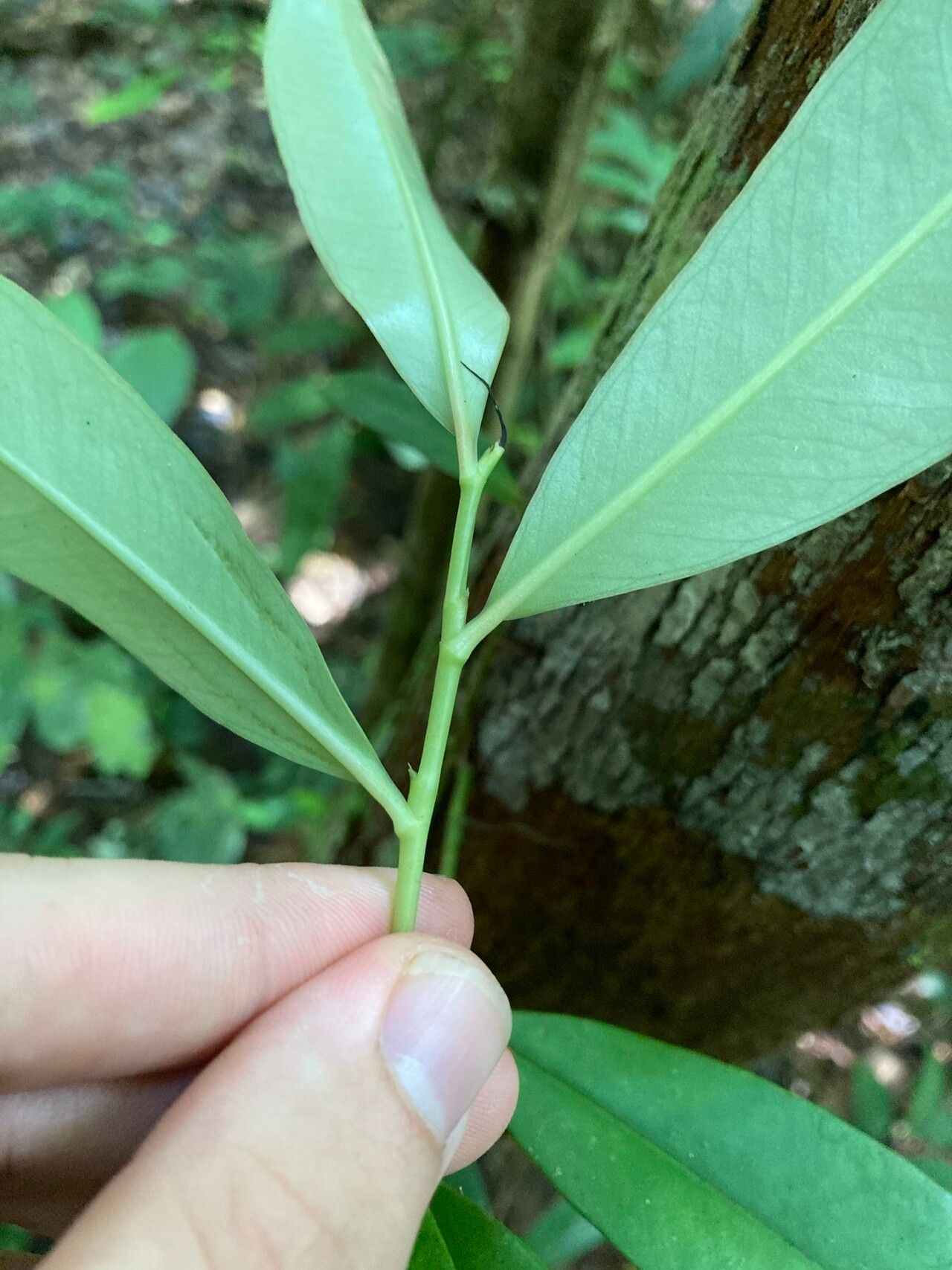
Hey plant pals! I’m so excited to chat with you today about a truly special Aroid: Heteropsis peruviana. If you’ve ever seen one of these beauties, you know why I’m so smitten. Those gorgeous, deeply lobed leaves have a way of commanding attention, and let’s be honest, they bring such a vibrant, tropical vibe into our homes.
The best part? You can easily create more of these stunning plants for yourself or to share with fellow plant lovers. Propagating your own Heteropsis peruviana is incredibly rewarding. It allows you to watch new life emerge from a piece of your existing plant. For beginners, I’d say it’s moderately easy, especially if you’re patient and pay attention to a few key details. It’s not quite as foolproof as, say, a pothos, but definitely achievable with a little care.
The Best Time to Start
When it comes to getting the best results, spring and early summer are your golden ticket. This is when your plant is in its most active growth phase. It has plenty of energy to dedicate to putting out new roots and leaves. Trying to propagate when the plant is dormant or stressed just won’t yield the same enthusiasm from your cuttings. Look for actively growing stems with healthy, mature leaves.
Supplies You’ll Need
Gathering your supplies beforehand makes the whole process smoother! Here’s what you’ll want to have on hand:
- Sharp, clean pruning shears or a knife: This is crucial for making clean cuts to prevent disease. Sterilize them with rubbing alcohol before you begin.
- Aroid potting mix: This is key! You want something well-draining. A good mix includes orchid bark, perlite, and coco coir or peat moss. You can buy pre-made aroid mixes or whip up your own.
- Small pots or propagation vessels: Terra cotta pots are great for helping wick away excess moisture. Small plastic pots or even glass jars work well for water propagation.
- Rooting hormone (optional but recommended): This little helper can significantly speed up the rooting process and increase your success rate. Look for a powder or gel specifically designed for rooting plant cuttings.
- A clean water source: For water propagation, filtered or distilled water is best if your tap water is heavily treated.
- A humidity dome or plastic bag: To maintain a humid environment around your cuttings.
Propagation Methods
Heteropsis peruviana is quite happy to be propagated in a couple of ways. For me, stem cuttings and water propagation are the most reliable.
Stem Cuttings
This is my go-to method. It’s efficient and gives you a good chance of success.
- Identify a healthy stem: Look for a stem that has at least one, but preferably two or three, nodes. A node is a small bump on the stem where a leaf emerges. This is where the magic happens—roots will grow from here!
- Make your cut: Using your clean shears, cut the stem about an inch below a node. Aim to have at least one leaf on your cutting. If the stem is long, you can take multiple cuttings, making sure each has a node.
- Prepare the cutting: You can remove the lowest leaf if it would be submerged in soil or water. This prevents rot.
- Apply rooting hormone (optional): If you’re using it, dip the cut end of the stem into the rooting hormone, tapping off any excess.
- Pot it up: Fill your small pot with your well-draining aroid mix. Make a small hole in the center and gently insert the cutting, ensuring the node is buried in the soil. Firm the soil gently around the stem.
- Water lightly: Water the soil just enough to settle it. You don’t want it soggy.
- Create humidity: Place the pot inside a clear plastic bag or cover it with a humidity dome. This creates a mini-greenhouse effect. Ensure the leaves don’t directly touch the plastic if possible.
Water Propagation
This method lets you watch the roots develop, which is really satisfying!
- Take your stem cutting: Follow steps 1-3 from the stem cutting method above.
- Place in water: Fill a clean glass jar or container with water. Place your cutting in the water, ensuring the node is submerged, but do not let the leaves touch the water.
- Position: Set the container in a bright spot with indirect light.
- Change the water: Change the water every few days to keep it fresh and prevent bacterial growth.
The “Secret Sauce” (Pro Tips)
Here are a couple of tried-and-true tricks I’ve learned over the years:
- Don’t let the leaves touch the water when propagating in water. This is super important! Any leaf submerged will eventually rot and introduce bacteria into your water, which can kill your cutting before it even has a chance to root. Trim off lower leaves if necessary to keep them clear.
- Bottom heat is your friend. If you have the space, placing your potted cuttings on a seedling heat mat can make a world of difference. This gentle warmth encourages root development from below, mimicking the conditions the plant experiences in its natural environment. It’s especially helpful in cooler months.
- Be patient with the leaves. You might see the existing leaf limp a little or even turn yellow. Don’t panic! As long as the stem is firm and the node looks healthy, it’s usually just the plant diverting energy to root formation. Give it time.
Aftercare & Troubleshooting
Once you start seeing roots emerging—yay! For water propagation, when the roots are about an inch or two long, it’s time to transplant them into soil. Treat them just like you would a new stem cutting, using that airy aroid mix.
For soil-propagated cuttings, you’ll know they’re ready when you feel gentle resistance when tugging lightly on the stem or see new leaf growth. Continue to maintain consistent moisture (not soggy!) and high humidity until the plant is well-established.
The most common issue you’ll encounter is rot. This usually happens from overwatering or poor drainage. Brown, mushy stems are a clear sign. If you catch it early, you might be able to cut away the rot and try again, but often, it’s a sign that the cutting isn’t going to make it. If your cutting just seems to be doing nothing for weeks on end, it might just not have been viable, or the conditions weren’t quite right. Don’t be discouraged; just try again!
A Heartwarming Closing
Watching a new plant unfurl its first leaves from a cutting you nurtured is one of the most satisfying experiences for a gardener. Be patient, observe your cuttings closely, and celebrate every little sign of progress. You’ve got this, and soon you’ll have even more beautiful Heteropsis peruviana to enjoy! Happy propagating!
Resource:
https://identify.plantnet.org/k-world-flora/species/Heteropsis%20peruviana%20K.Krause/data