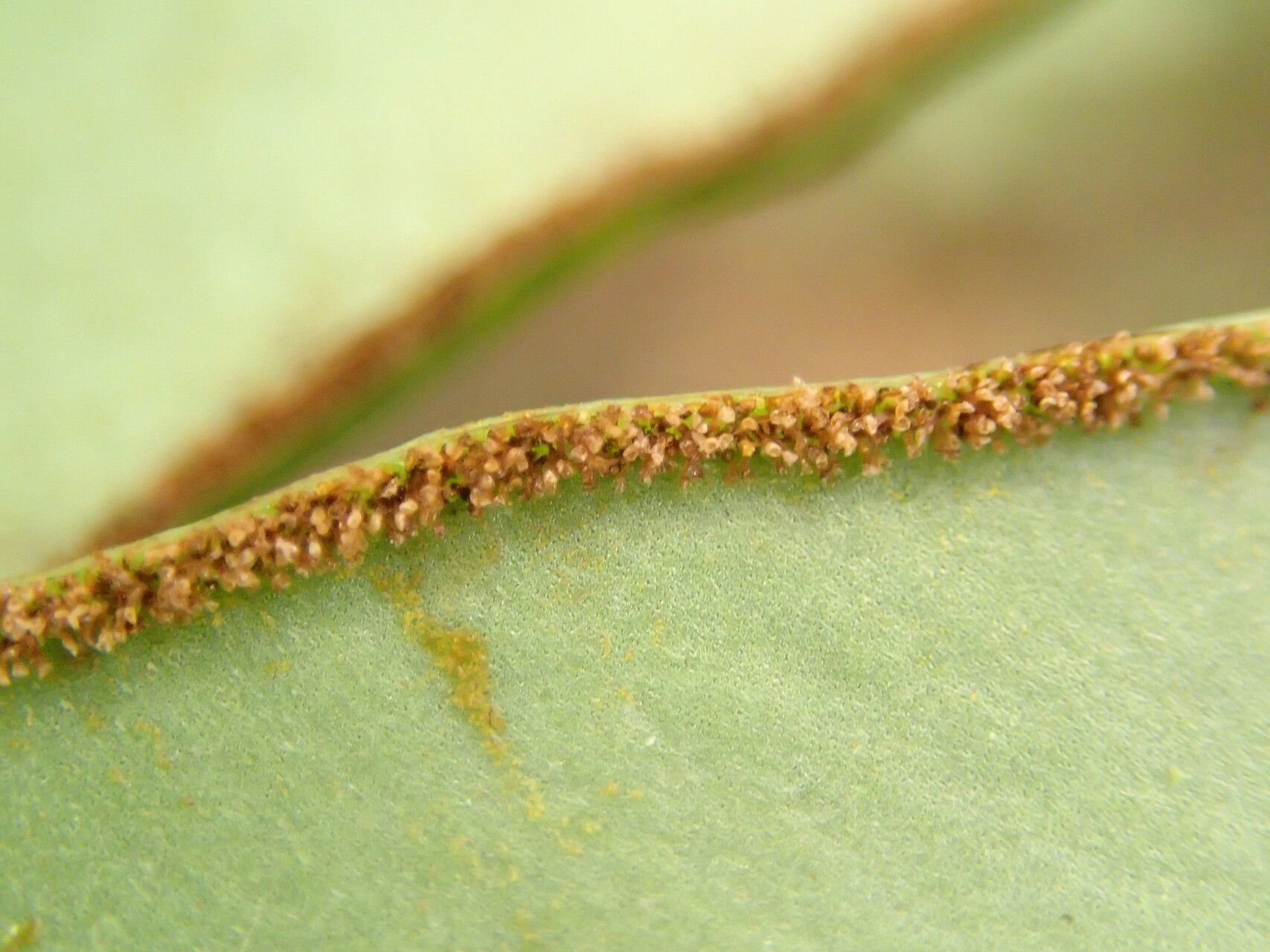
Hello there, fellow plant enthusiasts! Today, I want to chat about a fern that has captured my heart over the years: Hemionitis doniana. This beauty, often called the “strawberry fern” (though it doesn’t produce berries, its fronds have a lovely reddish tint when young, reminiscent of strawberries!), is just stunning. Its delicate, lacy fronds unfurl with such grace, bringing a touch of the tropics right into your home.
For anyone looking to expand their fern collection, propagating Hemionitis doniana is an incredibly rewarding endeavor. It’s not the absolute easiest to get going from scratch, but with a little patience and a few key techniques, you’ll be well on your way to multiplying this gorgeous plant. Don’t be discouraged if your first attempt isn’t perfect; we all learn as we grow!
The Best Time to Start
When it comes to giving your new Hemionitis doniana babies the best chance, spring and early summer are your golden ticket. This is when the plant is actively growing and has the most energy to put into developing new roots and shoots. Aim for a time when your parent plant is looking healthy and vibrant, not stressed from winter.
Supplies You’ll Need
Gathering your tools before you begin always makes the process smoother. Here’s what I usually have on hand:
- A healthy, mature Hemionitis doniana plant: This is your mother!
- Sharp, clean pruning shears or a sharp knife: For making clean cuts.
- Well-draining potting mix: A good recipe for ferns is usually equal parts peat moss, perlite, and orchid bark. You can also find pre-made fern mixes.
- Small pots or propagation trays: With drainage holes, of course.
- Plastic bags or a clear plastic dome: To create a humid environment.
- Watering can with a fine rose or a spray bottle: For gentle watering.
- Optional: Rooting hormone: While not strictly necessary for Hemionitis doniana, it can give an extra boost.
Propagation Methods
Hemionitis doniana is primarily propagated through division, which is my preferred and most successful method for this particular fern.
Division
This method is perfect for when your fern has grown a bit crowded or is starting to produce multiple crowns.
- Gently remove the parent plant from its pot. Be careful not to damage the roots too much.
- Inspect the root ball. You’re looking for natural breaks where new fronds are emerging from the base of established ones. You might see distinct sections of roots and crowns.
- Using your clean pruning shears or knife, carefully separate the plant into smaller sections. Each section should ideally have at least one to two fronds and a good portion of healthy roots. Don’t be afraid to cut through some roots if necessary; just aim for the cleanest separation you can manage.
- Fill your new pots with your prepared potting mix.
- Plant each division in its own pot, ensuring the crown (where the fronds emerge) is at soil level or slightly above.
- Water gently to settle the soil around the roots.
The “Secret Sauce” (Pro Tips)
Having nurtured countless ferns, I’ve picked up a few tricks that often make all the difference.
- Mimic the rainforest floor: Hemionitis doniana absolutely loves consistent humidity. After potting your divisions, don’t just pop them in a plastic bag and forget them. Lightly mist the inside of the bag or dome daily to keep the air moist. This barrier creates a miniature greenhouse effect that is crucial for new root development.
- Avoid direct sunlight like the plague: These ferns are understory plants in nature. They thrive in bright, indirect light. A sunny window will scorch their delicate fronds, especially when they are trying to establish new roots. Think shady corner, or filtered light through a sheer curtain.
- Patience is truly a virtue: I know it’s tempting to peek constantly, but try to leave your new divisions undisturbed for at least 4-6 weeks. You’ll know they’re settling in and forming roots when you see new frond growth emerging. Resist the urge to pull them out to check for roots – trust the process!
Aftercare & Troubleshooting
Once your divisions show signs of new life – little fiddleheads unfurling or fresh green frond tips – you’re on the right track!
- Gradually acclimate them: As they grow stronger, slowly begin to open the plastic bag or dome over a week or two. This allows them to adjust to your home’s ambient humidity.
- Maintain consistent moisture: Keep the soil consistently moist but never waterlogged. Water when the top inch of soil feels dry to the touch.
- Keep an eye out for rot: The most common issue is crown rot, which happens when the base of the plant sits in soggy soil. This will manifest as mushy, brown, or blackened fronds at the soil line. If you see this, remove the affected parts immediately to prevent spreading. Ensure your potting mix is free-draining and you’re not overwatering.
- Yellowing fronds: This can sometimes happen as the plant redirects energy to root growth. If it’s just a few older fronds, don’t panic. New growth is a good sign. Consistent yellowing might indicate too much water or not enough light.
A Encouraging Closing
Propagating plants is a journey, and Hemionitis doniana is a beautiful companion for that journey. Be patient with your new little ferns, give them the humidity they crave, and watch them thrive. It’s such a joy to witness new life emerge, and soon you’ll have more of these enchanting ferns to share, or simply to adorn your own green haven. Happy propagating!
Resource: