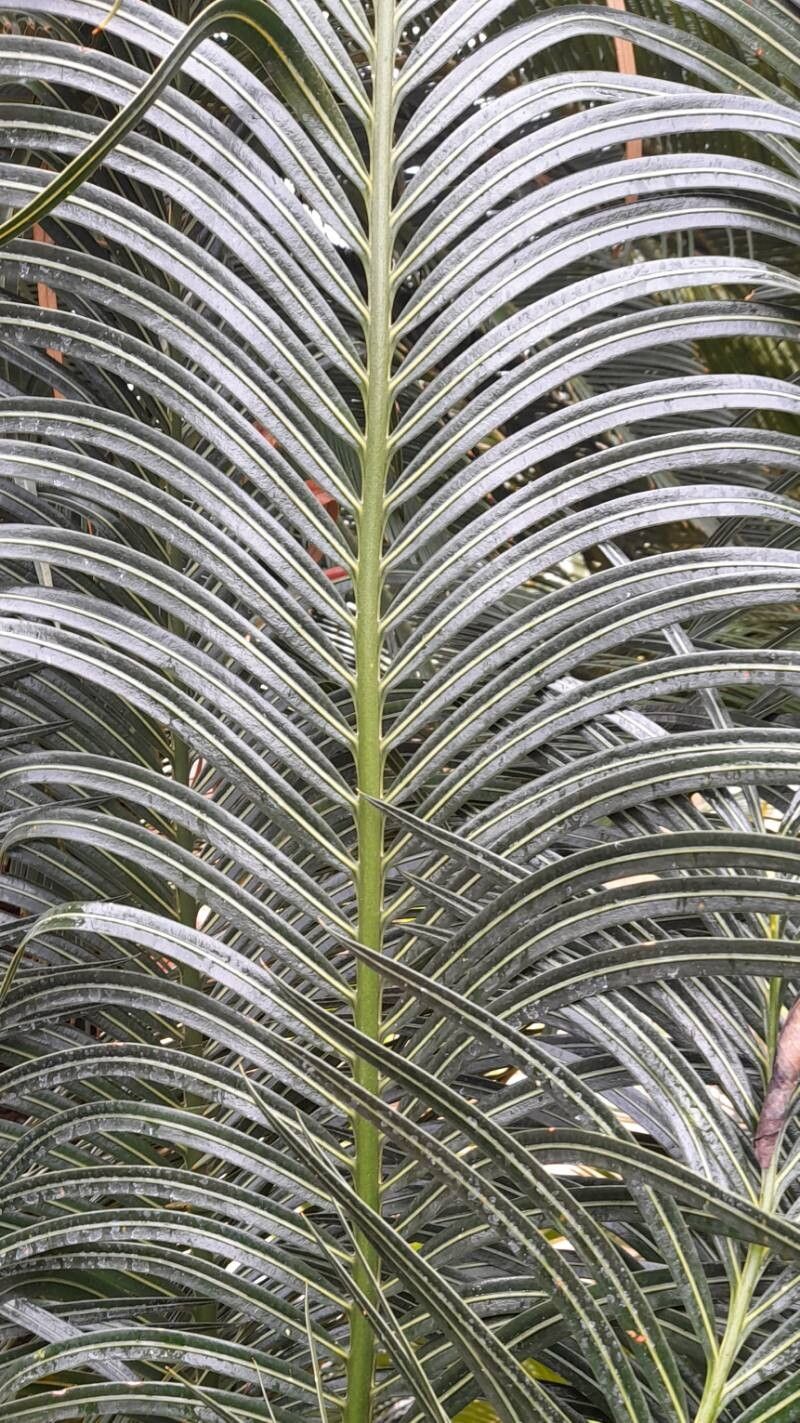
Well hello there, fellow plant enthusiasts! It’s so wonderful to have you join me today. For years, I’ve been captivated by the architectural beauty of cycads, and Cycas edentata is a particularly stunning example. With its elegant, palm-like fronds and prehistoric charm, it brings a touch of the exotic to any garden or indoor space.
The thought of creating new life from an existing treasure is one of the most thrilling parts of gardening for me. Propagating Cycas edentata can feel a little daunting at first, as they aren’t quite as straightforward as a common houseplant. But don’t let that deter you! With a little patience and the right approach, you can absolutely be successful.
The Best Time to Start
Just like most plants, Cycas edentata thrives when you work with its natural rhythms. The absolute best time to propagate is during its active growing season, which typically falls in late spring or early summer. This is when the plant has abundant energy reserves and is most receptive to producing new growth and roots. You’ll often see new shoots emerging from the base or trunk at this time, which are your prime targets.
Supplies You’ll Need
Before we get our hands dirty, let’s gather our tools:
- Sharp, clean pruning shears or a sharp knife: For making clean cuts.
- Rooting hormone powder: This is really helpful, especially for trickier propagations. Look for one containing IBA (Indole-3-butyric acid).
- Well-draining potting mix: A blend of coarse sand, perlite, and a good quality potting soil works wonders. You can also find specific cactus and succulent mixes.
- Small pots or trays: With drainage holes, of course!
- Plastic bags or a propagation misting system: To maintain humidity.
- A mister or spray bottle: For lightly moistening the substrate.
- Optional: Heating mat: To provide gentle bottom warmth.
Propagation Methods
Cycas edentata is primarily propagated through offsets (also called pups) and occasionally through stem cuttings, though the latter is more challenging.
Propagating Offsets (Pups):
This is the most reliable and common method for Cycas edentata. You’re looking for those small baby plants that emerge from the base of the mature cycad.
- Inspect the Base: Gently brush away any soil around the base of your mature Cycas edentata. You’re looking for small, self-contained plantlets emerging from the trunk or rhizome.
- Remove Carefully: Using your sharpest pruning shears or knife, carefully cut the offset away from the mother plant, trying to get as much of its base as possible. If it has small roots already attached, that’s fantastic!
- Let it Callus: This is a crucial step! Place the removed offset in a warm, dry place for 2-3 days. This allows the cut end to dry out and form a callus, preventing rot when you plant it.
- Prepare the Pot: Fill your small pot with your well-draining potting mix.
- Apply Rooting Hormone (Optional but Recommended): Dip the callused end of the offset into your rooting hormone powder, tapping off any excess.
- Plant the Offset: Make a small hole in the potting mix and insert the callused end of the offset. Gently firm the soil around it.
- Water Lightly: Water the potting mix very sparingly. You want it to be just barely moist, not soggy.
- Provide Humidity: Cover the pot with a clear plastic bag or place it in a propagation chamber. This will create a humid environment, which encourages rooting. Ensure the leaves of the offset don’t touch the plastic bag; you might need to prop it up with stakes.
- Place in Bright, Indirect Light: Find a spot that receives bright, indirect sunlight. Avoid direct sun, which can scorch the new plant.
Propagating Stem Cuttings (More Advanced):
This method is less successful and can take much longer, but if you have an old, woody trunk with no offsets, it’s worth a try.
- Select a Cutting: Choose a section of mature, woody stem that is at least a few inches long and has some dormant buds or leaf scars.
- Make the Cut: Using your sharp shears, make a clean, angled cut at the base of the stem.
- Allow to Callus: Just like with offsets, let the cut end dry out and form a callus for at least a week, or even longer, in a warm, dry place.
- Prepare the Pot: Fill a pot with your super-well-draining mix.
- Apply Rooting Hormone: Generously coat the callused end with rooting hormone powder.
- Plant the Cutting: Make a deep hole and insert the cutting, ensuring it’s firm in the soil. You might need to use stakes to support it.
- Water Very Sparingly: You want the soil to be barely damp. Overwatering is the quickest way to fail here.
- Maintain High Humidity: Cover the pot with a plastic bag and mist occasionally.
- Provide Bottom Heat: A heating mat is almost essential for this method to encourage root development from the base of the stem.
The “Secret Sauce” (Pro Tips)
- Don’t Let Leaves Touch Water (or Soggy Soil!): For any propagation method, keeping the foliage dry is paramount. If leaves sit in moisture, they’ll quickly succumb to rot, taking your cutting with them. Mist the air around the plant, not the leaves directly, if you need to add moisture.
- Bottom Heat is Your Friend: Especially for stem cuttings, but even beneficial for offsets, consistent bottom warmth is a game-changer. It mimics the soil temperature during the growing season and really boosts rooting activity.
- Patience is a Virtue (a BIG one!): Cycas edentata is not a fast grower, and neither is its propagation. It can take months for roots to form, and even longer for visible top growth. Don’t panic if you don’t see immediate results.
Aftercare & Troubleshooting
Once your offset or cutting has developed roots (you can gently tug and feel resistance, or see new growth), it’s time for a slightly less humid environment. Gradually remove the plastic covering over a week or two. Continue to water sparingly, allowing the soil to dry out between waterings.
The biggest challenge you’ll face is rot. This is almost always caused by overwatering or poor drainage. If you notice mushy stems, blackening leaves, or a foul smell, unfortunately, your cutting may have rotted. Discard it and start again, focusing on drier conditions. Another sign of failure is if the plant simply shrivels up and never shows any sign of rooting. This could be due to lack of humidity, insufficient warmth, or simply the cutting not being viable.
A Encouraging Closing
Propagating something as special as a Cycas edentata is a journey. It might take a few tries, and that’s perfectly okay. Each attempt teaches you something new. Celebrate the small victories, be patient with the process, and most importantly, enjoy the wonderful experience of nurturing new life. Happy propagating!
Resource:
https://identify.plantnet.org/k-world-flora/species/Cycas%20edentata%20de%20Laub./data