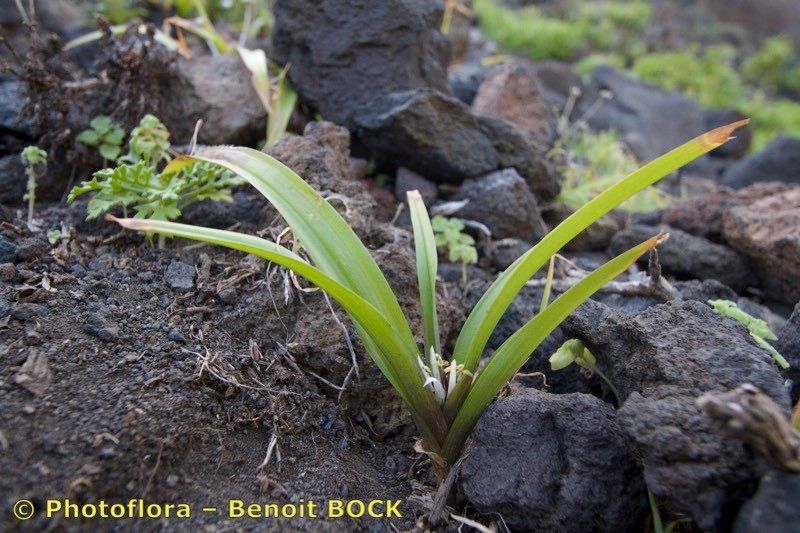
Hello, fellow garden lovers! Today, I want to chat about a plant that truly captivates me: Colchicum hierrense. You might know it by its more common name, the autumn crocus, or meadow saffron. But hierrense has a special charm all its own, with its delicate, goblet-shaped flowers that pop up seemingly from nowhere as the weather cools. Seeing these bursts of color in the fall garden is simply magical.
If you’re looking to expand your collection of these beauties, or perhaps share them with friends, you’re in for a treat. Propagating Colchicum hierrense can be a wonderfully rewarding experience. While it’s not exactly the plant you’d start with as a brand-new gardener (we’ll get to why), with a little patience and the right approach, you can absolutely be successful.
The Best Time to Start
For Colchicum hierrense, the absolute sweet spot for propagation is late summer to early fall, right around the time the plant is finishing its leafy growth or has just begun to send up its flower stalks. This is when the corms (which look like bulbs but are technically swollen underground stems) are plump and full of stored energy, making them prime for division.
Supplies You’ll Need
Gathering your tools beforehand makes the whole process smoother. Here’s what I always have on hand:
- Sharp, clean knife or trowel: For making clean cuts and separating corms. Sterilize it with rubbing alcohol between uses if you’re dividing multiple plants.
- Well-draining potting mix: A good blend for bulbs or corms is ideal. I often mix my own with equal parts potting soil, perlite, and a bit of coarse sand to ensure no waterlogging.
- Small pots or trays: Whatever you have that allows good air circulation and drainage. Small terracotta pots are lovely.
- Watering can with a fine rose: For gentle watering.
- Labels and a pen: Essential for keeping track of what you’ve potted and when!
- (Optional) Rooting hormone: While not strictly necessary for Colchicum division, some gardeners feel it gives a little boost.
Propagation Methods: Division is Key!
Unlike many plants that readily take to stem cuttings or water propagation, Colchicum hierrense is best propagated through corm division. These plants grow from corms, and these corms naturally produce offsets, or smaller corms, that you can carefully separate.
Here’s how I do it:
- Gently excavate: Around late summer, when the foliage has died back or is turning yellow, it’s time to dig. Carefully dig around the base of your Colchicum plant using your trowel. Be gentle! You want to lift the entire clump of corms out of the soil without damaging them.
- Clean and inspect: Gently brush off as much of the old soil as you can. You should be able to see the main parent corm and any smaller offset corms attached to it. These offsets are your new plants!
- Separate the offsets: This is the crucial step. Using your clean knife or even just your fingers, carefully twist or break away the smaller cormlets from the parent corm. Try to ensure each offset has at least one little basal plate where roots will form. If an offset seems very small, it might be best to leave it attached for another year to gain strength.
- Let them air dry (briefly): Once separated, I like to let the corms sit out in a dry, airy spot for a day or two. This helps any cut surfaces callous over, reducing the risk of rot when you plant them.
- Pot them up: Fill your pots with your well-draining potting mix. Plant each cormlet about 2-3 inches deep, with the pointed end (if visible) facing upwards. They don’t need to be planted too deep, as they will grow upwards to flower.
- Water lightly: Give them a gentle drink of water, just enough to moisten the soil.
The “Secret Sauce” (Pro Tips)
Now, for a few little nuggets of wisdom that can make a world of difference:
- Don’t over-pot: Resist the urge to cram too many corms into one pot. Give them a little breathing room so air can circulate. This is one of the biggest preventatives against rot.
- Think “dormancy” not “growth”: The key to successful division is timing. You’re working with the plant when it’s naturally in a resting phase. Trying to divide them when they are actively growing leaves or flowers will stress them out and likely result in failure.
- Bottom heat is your friend (if you have it): While not strictly necessary, placing your potted corms on a gentle heat mat designed for propagation can encourage root development much faster. Keep the temperature around 65-70°F (18-21°C).
Aftercare & Troubleshooting
Once your corms are potted, place them in a cool, bright spot, but out of direct, hot sun. Keep the soil lightly moist – not wet. Remember, these are dormant or semi-dormant bulbs, so they don’t need a lot of water.
What to watch out for:
- Rot: This is the most common enemy. If you see any corms turning mushy and brown, they’ve likely succumbed to rot. Too much moisture is the usual culprit. Sometimes, if caught early, you can salvage a corm by cutting away the rotten parts, dusting with a fungicide, and repotting in fresh, dry soil.
- No activity: If nothing happens for weeks or even a couple of months, don’t panic! Colchicum can be a bit ponderous. Keep them in a cool environment and check the moisture levels periodically. They often surprise you when you least expect it.
Keep Digging, Keep Growing!
Propagating Colchicum hierrense is a wonderful way to deepen your connection with these enchanting fall bloomers. It takes a bit of careful handling, but the joy of seeing those new shoots emerge and eventually flower is absolutely worth it. Be patient with them, trust the process, and happy gardening!
Resource: