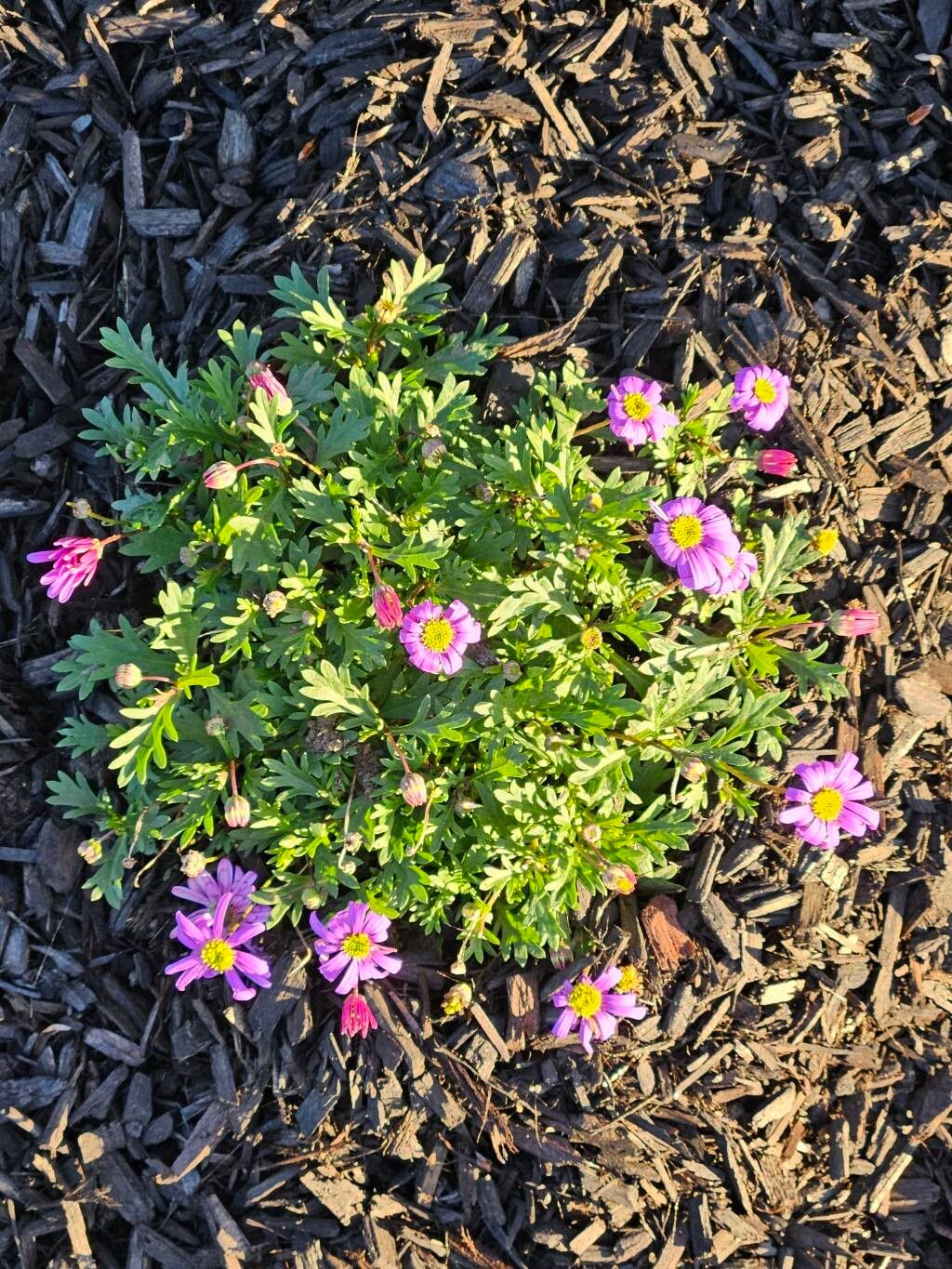
Hello fellow garden lovers! You know, there are some plants that just bring a smile to our faces with their cheerful blooms and easygoing nature. Brachyscome graminea, often called the Native Daisy or River Daisy, is one of them. I’ve spent many years with this lovely plant, and I can tell you, propagating it is a truly rewarding endeavor. It’s like stretching your garden’s bounty, sharing the joy with friends, or simply filling those empty pots you’ve been eyeing. And the best part? Brachyscome graminea is quite forgiving. Even if you’re just dipping your toes into the world of propagation, chances are you’ll have great success with this one.
The Best Time to Start
For the absolute highest success rate, I find that late spring to early summer is the sweet spot for propagating Brachyscome graminea from stem cuttings. The plant is actively growing then, full of vigor, and those new shoots have plenty of energy to develop strong roots. You can also try propagation from division in early spring, just as new growth is starting but before it gets too hot.
Supplies You’ll Need
- Sharp pruning shears or clean scissors: For clean cuts that heal well.
- A well-draining potting mix: I like a blend of regular potting soil with some perlite or coarse sand to ensure good aeration.
- Small pots or seed trays: With drainage holes, of course!
- Rooting hormone (optional but recommended): This can really give your cuttings a boost.
- Clear plastic bags or propagation domes: To create a humid environment.
- A watering can with a fine rose: For gentle watering.
- Labels and a marker: To keep your projects organized.
Propagation Methods: Stem Cuttings
This is my go-to method for Brachyscome graminea, and it’s wonderfully straightforward.
- Take your cuttings: Look for healthy, non-flowering stems. I aim for pieces about 4-6 inches long. Use your sharp pruning shears to make a clean cut just below a leaf node (where a leaf attaches to the stem).
- Prepare the cuttings: Gently remove the lower leaves from the bottom inch or so of the stem. This prevents them from rotting once planted.
- Apply rooting hormone (if using): Dip the cut end of the stem into your rooting hormone powder, tapping off any excess.
- Plant the cuttings: Fill your small pots with the well-draining potting mix. Make a small hole in the center with your finger or a pencil. Insert the prepared cutting into the hole, ensuring the leaf nodes that had leaves removed are below the soil surface. Gently firm the soil around the base of the cutting.
- Water gently: Water the soil thoroughly but carefully, using your watering can with a fine rose. You want the soil to be moist, not waterlogged.
- Create humidity: Cover the pots with a clear plastic bag or a propagation dome. This traps moisture and mimics the humid environment cuttings need to root. You can use a small stake to keep the bag from touching the leaves.
- Find a good spot: Place the pots in a bright, indirect light location. Avoid direct sun, which can scorch the delicate cuttings.
Propagation Methods: Division
If you have an established clump of Brachyscome graminea, dividing it is another excellent way to get more plants.
- Prepare: Water your established plant well a day or two before you plan to divide. This helps reduce transplant shock.
- Lift and divide: Gently dig up the entire clump from its pot or the ground. Carefully use your hands or a clean spade to pull apart sections of the root ball. Aim for sections that have healthy foliage and a good amount of roots.
- Replant: Plant the divisions into new pots filled with well-draining potting mix, or back into the garden, ensuring they are planted at the same depth as they were previously. Water them in well.
The “Secret Sauce” (Pro Tips)
Here are a couple of little tricks I’ve learned over the years that can make a big difference:
- Don’t let those leaves touch the water when using propagation domes: If you’re using a plastic bag, make sure it’s not directly resting on the leaves. Any leaves touching the moist soil or condensation can quickly develop fungal issues. I often use toothpicks to tent the bag slightly over the cuttings.
- Bottom heat is your friend: While not strictly necessary, placing your pots on a gentle heat mat designed for seedlings can significantly speed up root development. It provides that cozy warmth the cuttings crave to get started. You’ll know it’s working when you see new growth appear.
Aftercare & Troubleshooting
Once you start to see new growth or feel a gentle tug when you lightly pull on a cutting, that’s a good sign that roots have formed! You can gradually introduce the new plants to less humid conditions by opening the plastic bag a little each day over a week. Once they are established in their pots and handle being moved without wilting, you can transplant them to their permanent homes.
The most common issue you might encounter is rot. This usually happens if the soil is too wet and the cuttings lack good drainage. If you see stems turning black and mushy, sadly, that cutting is likely lost. Remove it immediately to prevent it from spreading to others. Overwatering is the usual culprit, so always err on the side of slightly drier rather than waterlogged.
A Encouraging Closing
Propagating Brachyscome graminea is a delightful journey from a single plant to many happy, blooming additions to your garden. Be patient with the process; nature has its own pace! Enjoy the small victories, learn from any setbacks, and most importantly, have fun with it. Happy gardening!
Resource: