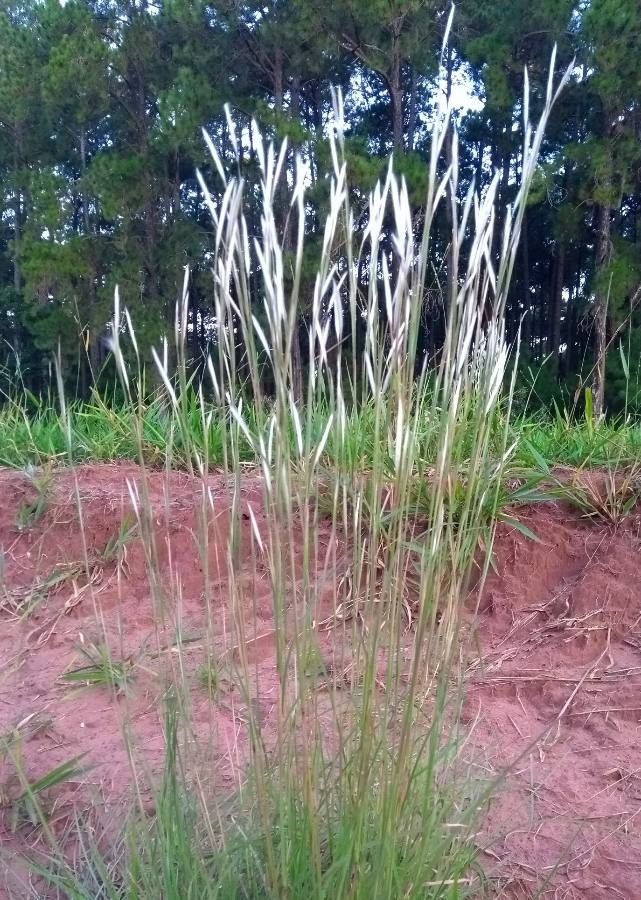
Oh, hello there! Pull up a chair and let’s chat about one of my absolute favorite grasses: Andropogon leucostachyus, often called Whiteheads Bluestem or Sweetgrass. If you’ve ever admired its elegant, silvery plumes catching the light, especially in the late afternoon sun, you know exactly why it’s so special. It brings this wonderful, airy grace to any garden. And you know what’s even better than having one? Having more of them! Propagating this beauty is incredibly rewarding, and truthfully, it’s not as daunting as it might seem. Even if you’re just starting out, I think you’ll find a lot of joy in this process.
The Best Time to Start
When it comes to getting new Andropogon leucostachyus going, timing is key. I always aim to start in late spring or early summer. This is when the plant is actively growing and has plenty of energy to put into developing new roots. You’ll see fresh shoots emerging, and the established plant is usually robust enough to handle a little division or to spare a few cuttings. Attempting this too late in the season, when growth starts to slow down for fall, can make it harder for your new plants to establish themselves before winter.
Supplies You’ll Need
Gathering your tools beforehand makes the whole endeavor much smoother. Here’s what I usually have on hand:
- Sharp Pruning Shears or a Clean Knife: For making clean cuts to avoid damaging the plant.
- Potting Mix: A well-draining mix is non-negotiable for grasses. I like a blend of good quality potting soil with about a third perlite or coarse sand.
- Small Pots or Trays: Whatever you have available, as long as they have drainage holes.
- Watering Can or Spray Bottle: For gentle watering.
- Labels and a Marker: To keep track of what you’ve propagated and when.
- (Optional) Rooting Hormone Powder: While not always strictly necessary for Andropogon leucostachyus, it can give cuttings an extra boost.
Propagation Methods
My go-to methods for Andropogon leucostachyus are division and stem cuttings. Let’s dive into how I do it.
Division
This is usually the easiest and most successful way to propagate established clumps.
- Dig Carefully: In late spring or early summer, when the plant is actively growing, gently dig around the perimeter of the clump with your spade. You want to lift the entire plant, soil ball and all.
- Examine the Root Ball: Once it’s out of the ground, gently shake off excess soil. You’re looking for distinct sections or crowns that naturally want to separate.
- Separate the Divisions: You can often do this by hand. Gently pull the root ball apart. If it’s a bit stubborn, use your sharp knife or spade to cut through the root ball, making sure each new division has some healthy roots and at least one or two leafy shoots.
- Replant Immediately: Plant your new divisions into well-draining potting mix in their own pots, or directly into prepared garden beds if your soil is good. Water them in well.
Stem Cuttings
This method works well when you want to start a few more plants and your main clump is healthy.
- Take Cuttings: Select healthy, new shoots that are at least 4-6 inches long. Use your clean shears to make a clean cut just below a leaf node (where a leaf emerges from the stem).
- Prepare the Cutting: Remove the lower leaves from the cutting, leaving just a few at the top. If you’re using rooting hormone, dip the cut end into it now.
- Plant the Cutting: Fill a small pot with your well-draining potting mix. Make a small hole with a pencil or your finger and insert the cut end of the stem, pressing the soil gently around it. Make sure the lower leaf nodes you removed are below the soil surface.
- Water Gently: Water the soil lightly to settle it around the cutting. You can also mist the leaves.
The “Secret Sauce” (Pro Tips)
Over the years, I’ve picked up a few tricks that really seem to help.
- Don’t Overwater! This is crucial for grasses. They hate soggy feet. When you water divisions or cuttings, water thoroughly but allow the soil to dry out a bit between waterings. Soggy conditions are a fast track to rot.
- Give Cuttings a Humid Hug: For stem cuttings, I like to create a mini-greenhouse effect. Pop a clear plastic bag over the pot, held up with stakes so it doesn’t touch the leaves. This maintains humidity which is vital while the cutting is trying to root. Just remember to air it out for a few minutes each day to prevent fungal issues.
- Consider Bottom Heat (for Cuttings): If you’re really keen on getting those cuttings to root quickly, placing the pots on a gentle heat mat can work wonders. It encourages root development from below without drying out the top of the soil too much.
Aftercare & Troubleshooting
Once your divisions are planted or your cuttings start to show signs of rooting (you’ll see new growth or feel a slight resistance when gently tugging), it’s time for their ongoing care.
- Light: Both divisions and new cuttings appreciate bright, indirect light. Once established, they’ll love full sun, just like their parent plant.
- Watering: As I mentioned, allow the soil to dry out between waterings. You’ll get a feel for it. In hotter weather, you might need to water more frequently than in cooler, overcast spells.
- Troubles: The most common issue you’ll encounter is rot. If you see your cutting looking limp and mushy, or the base of your division turning black and slimy, it’s likely due to overwatering or poor drainage. Unfortunately, there’s usually not much you can do once rot sets in. Prevention is key!
Happy Gardening!
Propagating Andropogon leucostachyus is a wonderful way to fill your garden with these beautiful grasses, or even share them with fellow plant lovers. Be patient with the process; sometimes it takes a little longer than you expect for things to take hold. But the satisfaction of watching a tiny cutting or a divided clump grow into a magnificent specimen is truly one of gardening’s greatest joys. So get your hands dirty, experiment a little, and most importantly, enjoy the journey!
Resource:
https://identify.plantnet.org/k-world-flora/species/Andropogon%20leucostachyus%20Kunth/data