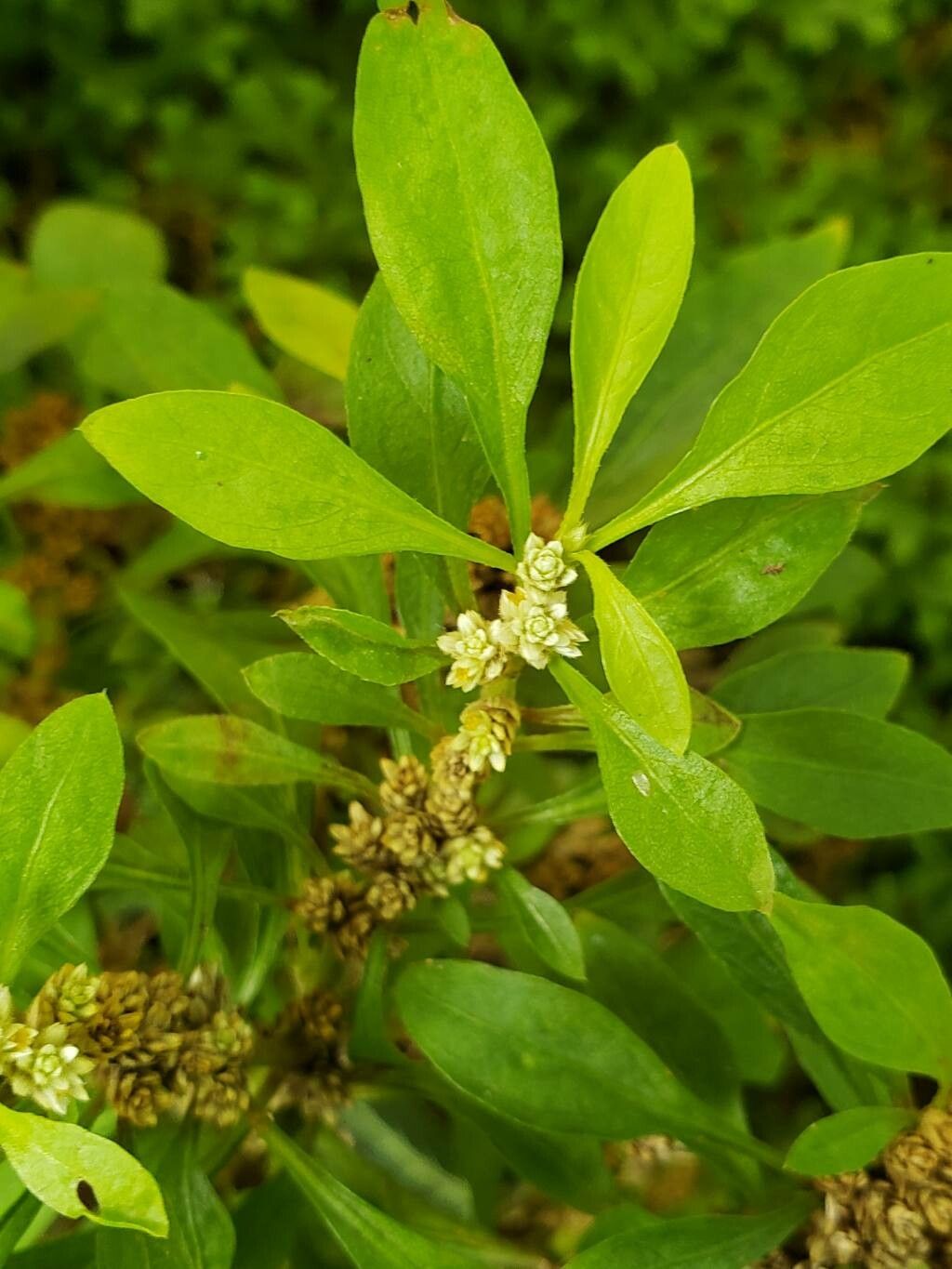
Oh, Alternanthera ficoidea! If you’re looking for a splash of vibrant color and some leafy texture to brighten your garden beds or containers, this is a fantastic choice. Often called Joseph’s Coat, its leaves come in the most amazing patterns of green, yellow, red, and even pink. Growing more of it from your existing plants is incredibly satisfying, and guess what? It’s a pretty easy plant to propagate, even for those of us just starting our gardening journey.
The Best Time to Start
For the absolute best chance of success with Alternanthera ficoidea, I like to start in the late spring or early summer. This is when the plant is actively growing, full of energy, and ready to put out lots of new stems. Starting then also gives your new plants plenty of time to establish themselves before the cooler weather rolls in.
Supplies You’ll Need
Before we get our hands dirty, let’s gather our essentials:
- Sharp pruning shears or a clean craft knife: For making clean cuts.
- A good quality potting mix: I prefer a blend that’s well-draining, something like a mix of peat moss, perlite, and a little compost.
- Small pots or seed trays: Clean ones are key to preventing disease.
- Rooting hormone powder (optional but recommended): This gives your cuttings a little boost.
- Watering can or spray bottle: For gentle watering.
- A plastic bag or clear dome: To create a humid environment for your cuttings.
- Gloves (if you prefer): To keep your hands clean.
Propagation Methods
Let’s talk about getting new plants! Stem cuttings are my go-to for Alternanthera ficoidea. They’re quick and reliable.
Stem Cuttings:
- Select a healthy stem: Look for a non-flowering stem on your established plant. Aim for a piece that’s about 4-6 inches long.
- Make the cut: Using your clean shears or knife, make a clean cut just below a leaf node (that’s where leaves sprout from the stem). This is where roots are most likely to form.
- Prepare the cutting: Gently remove the lower leaves from your cutting, leaving about two to three sets of leaves at the top. This prevents them from rotting in the soil or water.
- Apply rooting hormone (if using): Dip the cut end of the stem into the rooting hormone, tapping off any excess. This little step really does help encourage root development.
- Plant your cuttings: Make a small hole in your prepared potting mix with your finger or a pencil. Insert the cut end of the stem into the hole, ensuring the lower leaf nodes are buried. Gently firm the soil around it. You can probably fit several cuttings in one pot, spaced a few inches apart.
- Water gently: Water the soil until it’s moist but not waterlogged.
- Create humidity: Cover the pot loosely with a plastic bag or place a clear dome over it. This traps moisture and keeps the leaves from drying out. Place the pot in a bright spot that receives indirect sunlight.
The “Secret Sauce” (Pro Tips)
Now for a couple of things that have really made a difference for me over the years:
- Bottom Heat is Your Friend: If you have a seedling heat mat, placing your pots on it can significantly speed up rooting. The warmth helps the plant hormones kick into gear and encourages faster root formation. Just make sure the mat isn’t too hot – you don’t want to cook your little cuttings!
- Water Propagation, But With a Twist: While I prefer soil, you can absolutely propagate Alternanthera ficoidea in water. The key is using a clean jar or glass and changing the water every couple of days. And here’s my little trick: make sure none of the leaves are submerged in the water. If they are, they’ll start to rot, which is the last thing you want. Only the stem should be in the water.
Aftercare & Troubleshooting
Once you see new leaf growth or feel a bit of resistance when you gently tug on the cutting, it’s a good sign that roots have formed!
- Acclimate slowly: If you used a plastic bag, gradually introduce the new plants to drier air by opening the bag a little more each day over a week.
- Potting up: Once the roots are well-established (you might even see them peeking out the drainage holes), you can carefully transplant your new Alternanthera babies into their own pots. Continue to keep them in bright, indirect light and water them consistently.
- Troubleshooting: The most common issue you’ll encounter is rot. This usually happens because of overwatering or poor drainage. If you see stems turning mushy and black, or if cuttings fail to root and just seem to disintegrate, it’s a sign that things are too wet. Ensure good airflow and let the soil surface dry slightly between waterings.
A Encouraging Closing
Remember, gardening is an adventure, and propagation is a wonderful way to learn and grow alongside your plants. Don’t get discouraged if a few cuttings don’t make it. With a little patience and practice, you’ll soon be surrounded by beautiful Alternanthera ficoidea, proudly grown from your own hands. Happy propagating!
Resource:
https://identify.plantnet.org/k-world-flora/species/Alternanthera%20ficoidea%20(L.)%20P.Beauv./data