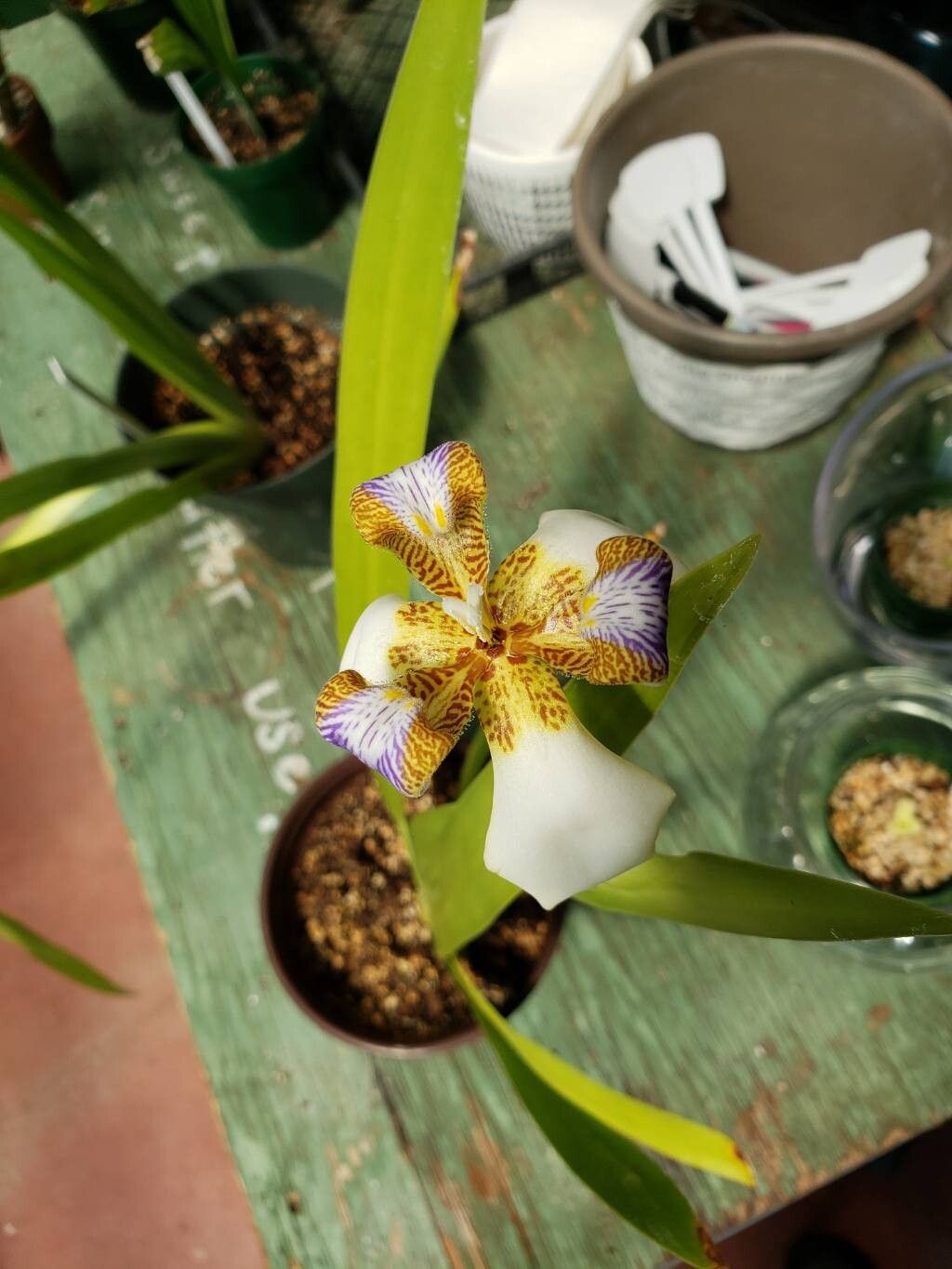
Oh, Trimezia northiana! If you love those gorgeous, iris-like blooms with their sunshine yellow and deep purple markings, you’re in for a treat! This plant, often called Yellow Wild Lily or Butterfly Iris, is such a joy to have gracing the garden. And the best part? It’s surprisingly rewarding to propagate, even if you’re just dipping your toes into the world of plant babies. For beginners, I’d say it falls into the “moderately easy” category, meaning a little patience and the right technique will get you far. Let’s get propagating!
The Best Time to Start
Honestly, the sweetest spot for dividing and propagating Trimezia is usually after they’ve bloomed. Think late spring or early summer. You’ll notice the plant has had a good growth spurt and is ready for a bit of a refresh. If you try to divide them when they’re actively flowering or very early in their spring awakening, you might stress them out a bit too much. Giving them that post-bloom window means they’ve stored up plenty of energy for new growth.
Supplies You’ll Need
Here’s what I usually have on hand when I’m getting ready to divide my Trimezia:
- Sharp, clean pruners or a trowel: For cleanly separating the rhizomes.
- Well-draining potting mix: Something with plenty of perlite or coarse sand is ideal. A general-purpose potting mix amended with about 30% perlite works wonderfully.
- Small pots or containers: Around 4-6 inches are usually perfect for starting out.
- Watering can or spray bottle: For gentle watering.
- Optional: Rooting hormone powder: While Trimezia is quite forgiving, a little dip in rooting hormone can sometimes give new divisions an extra boost.
Propagation Methods: Division is Key!
Trimezia northiana primarily propagates through division of its rhizomes. These are the thick, fleshy underground stems that the plant grows from. Over time, they multiply and create clumps.
- Gently unearth the plant. If your Trimezia is in a pot, carefully tip it out. If it’s in the ground, use your trowel to loosen the soil all around the clump and then gently lift the whole thing.
- Examine the rhizome mass. You’ll see that the older parts of the rhizome might be a bit woody, and newer, plumper sections will be emerging.
- Separate the divisions. Using your clean pruners or by hand, gently pull or cut apart sections of the rhizome. Aim for pieces that have at least one or two healthy-looking shoots or leaves attached. Don’t worry if you have to break a few smaller roots; the main goal is to get a good portion of the rhizome with some signs of life.
- Discard any mushy or diseased parts. If you see any soft, dark spots on the rhizomes, those are usually signs of rot and should be removed.
- Potting up your new babies. Fill your pots with your well-draining potting mix. Make a little hole in the center for your division. You want the top of the rhizome to be just at or slightly below the soil surface. Don’t bury them too deep!
- Water gently. Give each pot a good, but not soaked, watering to settle the soil around the rhizome.
The “Secret Sauce” (Pro Tips)
Here are a couple of things I’ve learned over the years that really seem to help:
- Let divisions air dry for a day or two. Before you pot them up, especially if you had to do a bit of rougher separating, letting the cut ends of the rhizomes callus over for 24-48 hours can prevent potential rot and encourage better root formation. Just set them in a shady, dry spot indoors.
- Don’t crowd them initially. When you’re potting your new divisions, give them a bit of breathing room. Trying to cram too many into one small pot can lead to competition for resources and potentially increase the risk of disease. Better to have a few strong, healthy new plants than many struggling ones.
Aftercare & Troubleshooting
Once your divisions are potted up, place them in a bright, indirect light location. Avoid harsh, direct sun, as this can scorch those tender new leaves. Water them when the top inch of soil feels dry. Be patient! It can take a few weeks for them to really establish and start showing new growth.
The most common hiccup you might encounter is rot. This usually happens if the soil stays too wet or if you’ve planted the rhizome too deeply. You’ll see the leaves start to yellow and become soft or mushy at the base. If you see this, pull the division out immediately, trim away any rotted parts with your clean pruners, let it air dry for a few days, and then try re-potting in drier, fresh soil.
Your Green Thumbs Will Triumph!
Propagating Trimezia northiana is a wonderful way to multiply your garden’s beauty and share the joy with friends. Remember to be gentle, give them the right conditions, and trust your instincts. Every gardener learns through a little trial and error, and I have no doubt you’ll have success. Enjoy watching those new shoots emerge – it’s a truly rewarding feeling!
Resource:
https://identify.plantnet.org/k-world-flora/species/Trimezia%20northiana%20(Schneev.)%20Ravenna/data