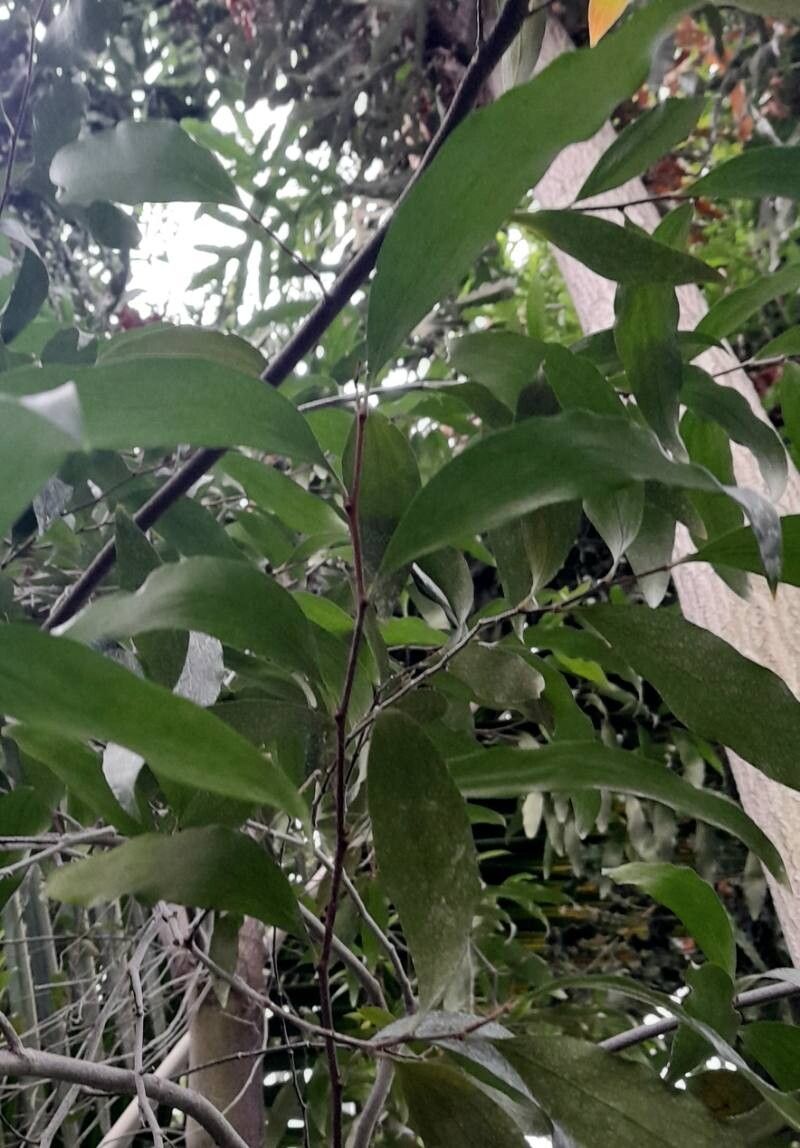
Hello there, fellow garden enthusiasts! Today, we’re diving into the wonderful world of propagating Stenocarpus salignus, also known as the Firewheel Tree. If you’ve ever seen one of these beauties in bloom, you know why it’s so special. The vibrant, scarlet, wheel-shaped flowers are simply breathtaking. Growing new plants from cuttings is such a rewarding feeling, like giving a gift that keeps on giving. Now, Stenocarpus salignus can be a bit of a trickster to propagate, so it’s not always the absolute easiest for a complete beginner, but with a little patience and these tips, I promise you’ll be celebrating success!
The Best Time to Start
Timing is everything in the garden, isn’t it? For Stenocarpus salignus, the sweet spot for taking cuttings is late spring to early summer. This is when the plant is actively growing, and the new, soft woody growth (often called semi-hardwood) has the best chance of rooting. Avoid taking cuttings from old, woody stems or from actively flowering material. You want that juicy, flexible wood that snaps cleanly.
Supplies You’ll Need
Before we get our hands dirty, let’s gather our toolkit. Having everything ready makes the process so much smoother.
- Sharp, clean pruning shears or a sharp knife: Essential for making clean cuts that heal well.
- Rooting hormone: This is your best friend for encouraging root development. A powdered form is commonly used.
- Well-draining potting mix: I like a blend of perlite, peat moss, and a little coarse sand. Some people also swear by a coco coir-based mix. The key is that it holds moisture but doesn’t get waterlogged.
- Small pots or seedling trays: Clean ones are a must to prevent disease.
- Plastic bags or a clear propagator lid: To create a humid environment. A clear plastic bag works wonders!
- Soft journal or notebook: For keeping track of what you did, when, and where you put your cuttings. Trust me on this!
- Water spray bottle: For misting.
Propagation Methods: Stem Cuttings
This is generally the most successful and widely used method for Stenocarpus salignus.
- Select Your Cuttings: Look for healthy stems that are about 6-8 inches long. Make your cut just below a leaf node (where a leaf attaches to the stem). This is where the magic of root formation often begins.
- Prepare the Cuttings: Gently remove the lower leaves, leaving just a few at the very top. This reduces moisture loss. If the remaining leaves are very large, you can even cut them in half horizontally to further prevent wilting.
- Apply Rooting Hormone: Dip the cut end of the stem into your rooting hormone, tapping off any excess. Make sure the node area is well-coated.
- Plant Your Cuttings: Fill your pots with the pre-moistened potting mix. Make a small hole with a pencil or your finger and gently insert the cutting so that at least one or two leaf nodes are buried in the soil. Firm the soil gently around the stem.
- Create a Humid Environment: Water the soil lightly. Then, cover the pot with a clear plastic bag, securing it with a rubber band around the rim, or place it inside a propagator with a lid. This creates a mini-greenhouse effect. You can also poke a few small holes in the bag for ventilation.
- Placement is Key: Place your cuttings in a bright, indirect light location. Avoid direct sun, as this can scorch the young leaves and overheat the enclosed environment.
The “Secret Sauce” (Pro Tips)
Over the years, I’ve learned a few little tricks that really bump up the success rate.
- Bottom Heat is Your Friend: Propagators often have a heat mat option, or you can place your pots near a warm, sunny window (but not in direct sun!). A bit of gentle warmth from below helps stimulate root growth. It’s like tucking your rooting cuttings into a cozy bed.
- Don’t Overwater, But Don’t Let Them Dry Out: This is a delicate balance. The soil should feel consistently moist but not soggy. If you see condensation building up heavily inside the bag, it’s a good sign of humidity, but give it a little airing out for a few hours to prevent fungal issues.
- Sterilize Everything (Again and Again): I can’t stress this enough. Clean pots, clean tools, clean hands. Even a tiny bit of mold or bacteria can spell doom for your precious cuttings. A quick rinse in soapy water followed by a diluted bleach solution (and thorough rinsing) for pots and tools is a good practice.
Aftercare & Troubleshooting
Once you start seeing signs of life – tiny new shoots or leaves emerging – you’re on the right track!
- Rooting Time: It can take anywhere from 6 weeks to several months for Stenocarpus salignus to develop enough roots to be transplanted. You can gently tug on a cutting; if it offers resistance, it has likely rooted.
- Gradual Acclimatization: Before removing the plastic bag permanently, gradually introduce your cuttings to less humid conditions over a week or two. Open the bag a little more each day.
- Transplanting: Once well-rooted, transplant your new saplings into slightly larger pots with a good potting mix. Continue to water them regularly and keep them in bright, indirect light.
- Signs of Trouble: The most common issue is rot, which appears as a blackening and mushy stem, often at the soil line. This is usually a sign of too much moisture and poor drainage. If you see this, sadly, that cutting is likely lost. Another sign of desiccation is wilting that doesn’t perk up after watering – this means the cutting couldn’t form roots fast enough.
Happy Growing!
Propagating plants is a journey, and Stenocarpus salignus is certainly a rewarding one. There will be times when a cutting doesn’t make it, and that’s okay! Learn from it, try again, and celebrate every tiny new leaf or emerging root. Be patient, enjoy the process, and soon you’ll have your very own Firewheel Tree to admire. Happy gardening!
Resource:
https://identify.plantnet.org/k-world-flora/species/Stenocarpus%20salignus%20R.Br./data