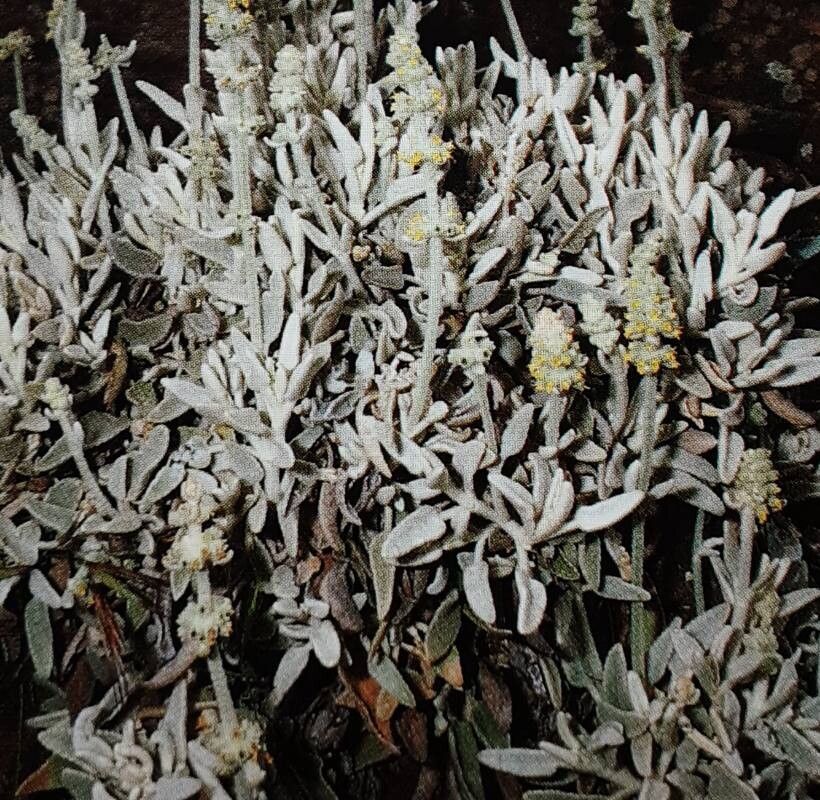
Oh, hello there, fellow plant enthusiast! Pull up a chair and let’s chat about one of my absolute favorites: Sideritis dasygnaphala. You might know it by its common name, Cretan mountain tea, or perhaps just as a fragrant, silver-leafed beauty. I’ve been nurturing these little wonders for years now, and trust me, coaxing new life from them is a truly special thing. It’s not incredibly difficult, but it does demand a little bit of gentle attention, making it a wonderfully rewarding project for those looking to step up their propagation game.
The Best Time to Start
When you’re aiming for the highest success rates with Sideritis dasygnaphala, spring and early summer are your golden ticket. This is when the plant is actively growing, full of vigor, and has plenty of energy to put into developing new roots. Aim to take cuttings from pieces of stem that are semi-hardwood. That means they’re not brand-new, floppy growth, but they’re also not woody and stiff. Think of it as that perfect stage you find yourself in after a good cup of coffee – not too wired, not too sleepy!
Supplies You’ll Need
So, what should you have on hand to make this propagation party a success? Here’s my go-to list:
- Sharp Pruning Shears or a Craft Knife: Clean cuts are essential for preventing disease.
- Small Pots or Seed Trays: Ones with drainage holes, of course!
- Propagation Mix: I find a blend of perlite and peat moss or perlite and coco coir (about a 50/50 ratio) works wonders. It’s light, airy, and drains beautifully.
- Rooting Hormone (Optional but Recommended): A powder or gel can give your cuttings a helpful boost.
- Watering Can with a Fine Rose or Spray Bottle: Gentle watering is key.
- Plastic Bags or a Propagation Dome: To create a humid environment.
- Labels and a Marker: So you don’t forget what you planted where!
Propagation Methods
Let’s get our hands dirty! We’ll focus on stem cuttings, which is my favorite and most reliable method for Sideritis dasygnaphala.
-
Taking the Cuttings: Using your clean shears, select healthy, one-year-old stems. You’re looking for pieces that are about 4-6 inches long. Make your cuts just below a leaf node (where a leaf attaches to the stem). This is where the magic happens, the area that’s most likely to sprout roots. Remove the lower leaves, leaving just a few at the very top to help with photosynthesis.
-
Preparing for Rooting: If you’re using rooting hormone, dip the cut end into the powder or gel. Give it a gentle tap to remove any excess. You want just a thin coating.
-
Planting the Cuttings: Fill your small pots or seed trays with your propagation mix. Make a small hole in the center with your finger or a pencil. Carefully insert the cut end of your Sideritis cutting into the hole, ensuring it’s deep enough to be stable. Gently firm the mix around the base of the cutting.
-
Creating Humidity: This is vital! Water the soil lightly. Then, you have two lovely options: either cover the pots with a clear plastic bag (propping it up so it doesn’t touch the leaves) or place them under a propagation dome. This creates a mini greenhouse, keeping the humidity high, which is what those cuttings crave before they’ve developed roots.
-
Placement: Place your pots in a bright spot with indirect sunlight. Avoid direct, scorching sun, which can dry them out too quickly.
The “Secret Sauce” (Pro Tips)
Now, for a couple of little tricks I’ve picked up along the way that have really improved my success rate.
- The Bottom Heat Trick: If you can, place your pots on a heat mat. Sideritis loves a little warmth from below, which really encourages root development. It’s like giving them a cozy little foot bath!
- Don’t Drench, Gently Mist: While humidity is important, we don’t want soggy soil. I lightly mist the cuttings and the inside of the plastic bag every couple of days, or whenever I see the soil surface looking a bit dry. The goal is damp, not waterlogged. Too much water can lead to rot, and that’s a tragedy we want to avoid.
Aftercare & Troubleshooting
Once your cuttings start to show signs of life – usually new leaf growth at the top – that’s your cue! It means roots are forming below. You can gently tug on a cutting. If you feel resistance, you’ve got roots!
When you see that, it’s time to gradually acclimate them to lower humidity. You can start by opening the plastic bag for a few hours each day. Eventually, you can remove the bag entirely. Continue to water them when the top inch of soil feels dry. As they grow stronger, you can transplant them into slightly larger pots with a good quality potting mix.
Now, what if things don’t go as planned? The most common culprit is rot. This usually happens from overwatering or lack of air circulation. If you see stems turning black and mushy, or the leaves wilting and discolored, unfortunately, that cutting is likely lost. Don’t be discouraged! Just clean up the pot, check your watering habits, and try again. Patience is truly one of the gardener’s greatest virtues.
Keep Growing!
Propagating Sideritis dasygnaphala is a beautiful process of patience and observation. It might take a bit of trial and error, but the reward of seeing your own little mountain teas take root and thrive is incredibly satisfying. So go ahead, get those cuttings, and enjoy the journey. Happy gardening!
Resource: