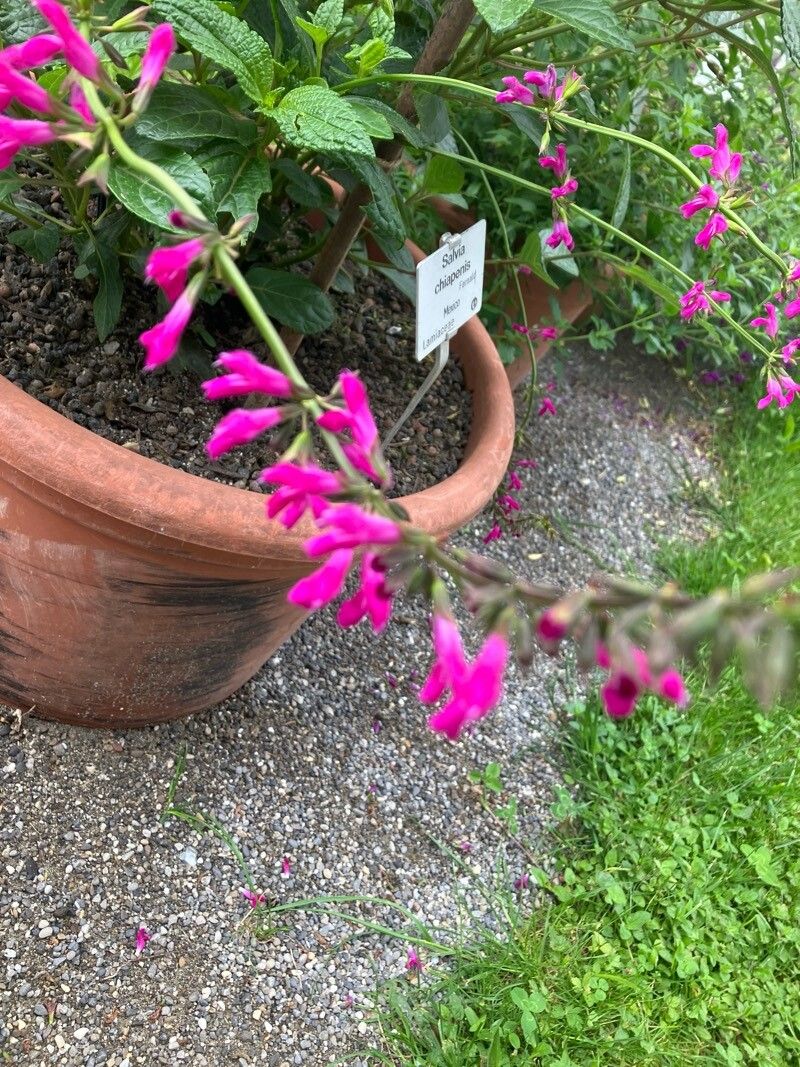
Oh, hello there, fellow plant enthusiast! Pull up a chair and let’s talk about one of my absolute favorites: Salvia chiapensis. If you’ve ever marveled at its vibrant purple-blue blooms dancing in the breeze, you know exactly why it’s a garden showstopper. And the best part? Getting more of them is surprisingly rewarding, and yes, even achievable for those of you just dipping your toes into the wonderful world of propagation. I’d say Salvia chiapensis is a pretty forgiving plant to start with, making it perfect for a beginner’s project.
The Best Time to Start
For the highest success rate with Salvia chiapensis, I always aim for late spring to early summer. This is when the plant is actively growing and has plenty of juicy, vibrant stems to work with. The days are long and warm, giving those cuttings the best chance to root.
Supplies You’ll Need
Here’s what you’ll want to have on hand before you get started:
- Sharp pruning shears or a clean, sharp knife: For making clean cuts.
- Rooting hormone (optional but recommended): A powder or gel to help encourage root development.
- A well-draining potting mix: I love a blend of perlite, coco coir, and a bit of compost. You can also use a sterile seed-starting mix.
- Small pots or a propagation tray: Clean ones are key to preventing disease.
- Plastic bags or a propagation dome: To create a humid environment.
- Watering can with a gentle rose attachment or a spray bottle: For delicate watering.
- A sunny windowsill or a warm, bright spot: But avoid direct, scorching sun initially.
Propagation Methods
My go-to method for Salvia chiapensis is stem cuttings. It’s reliable and gives you a good number of new plants from just one parent.
Stem Cuttings:
- Select your cutting: Look for healthy, non-flowering stems from your mature Salvia chiapensis. Aim for stems that are about 4-6 inches long.
- Make the cut: Using your clean shears or knife, make a cut just below a leaf node (where a leaf attaches to the stem). This is where the plant’s magic happens for rooting.
- Prepare the cutting: Gently remove the leaves from the bottom half of the stem. You want to leave just a couple of sets of leaves at the top. This prevents them from rotting in the soil.
- Dip in rooting hormone (optional): If you’re using rooting hormone, dip the cut end of the stem into the powder or gel. Tap off any excess.
- Plant the cutting: Fill your small pots or tray with the well-draining potting mix. Make a small hole with your finger or a pencil and gently insert the cutting. Firm the soil around it so it stands upright.
- Water gently: Water thoroughly but gently. You want the soil to be moist but not soggy.
- Create humidity: Cover the pot with a plastic bag, ensuring the leaves don’t touch the plastic, or place it under a propagation dome. This keeps the humidity high, which is crucial for cuttings.
- Provide light and warmth: Place the pots in a bright spot that receives indirect light. A little warmth from the bottom can be beneficial, but direct sun will scorch those delicate cuttings.
The “Secret Sauce” (Pro Tips)
Here are a couple of things I’ve learned over the years that really make a difference:
- Don’t let any leaves touch the soil or water. This is a recipe for rot, and we want to avoid that at all costs! Trim them back enough so they have clear air all around them.
- Bottom heat is your friend. If you have a seedling heat mat, popping your propagation trays or pots on it can significantly speed up the rooting process. It mimics the warm soil that cuttings love.
Aftercare & Troubleshooting
Once your Salvia chiapensis cuttings have formed roots – usually after 3-6 weeks, you’ll notice new growth or feel a gentle tug when you lightly pull on the stem – it’s time to graduate them!
Hardening Off: Gradually introduce your new plants to less humid conditions by opening the plastic bag or dome a little more each day over a week. Then, you can remove the cover entirely.
Watering: Continue to keep the soil consistently moist but not waterlogged. As they grow, they’ll become a bit more forgiving.
Common Signs of Failure: The most common nemesis is rot. If your cutting turns brown and mushy, or develops black spots, it’s likely succumbed to rot. This usually happens when it’s too wet and lacks proper air circulation. If you see mold on the soil, remove the affected bits immediately. Sometimes, a cutting simply refuses to root, and that’s okay too. Don’t be discouraged; just try again!
A Encouraging Closing
Propagating plants is a journey, and Salvia chiapensis is a lovely companion for that journey. Be patient with your little cuttings, celebrate every tiny sign of progress, and don’t be afraid to try again if you encounter a setback. The joy of watching a small piece of a plant transform into a vibrant new specimen is truly one of gardening’s greatest rewards. Happy propagating!
Resource:
https://identify.plantnet.org/k-world-flora/species/Salvia%20chiapensis%20Fernald/data