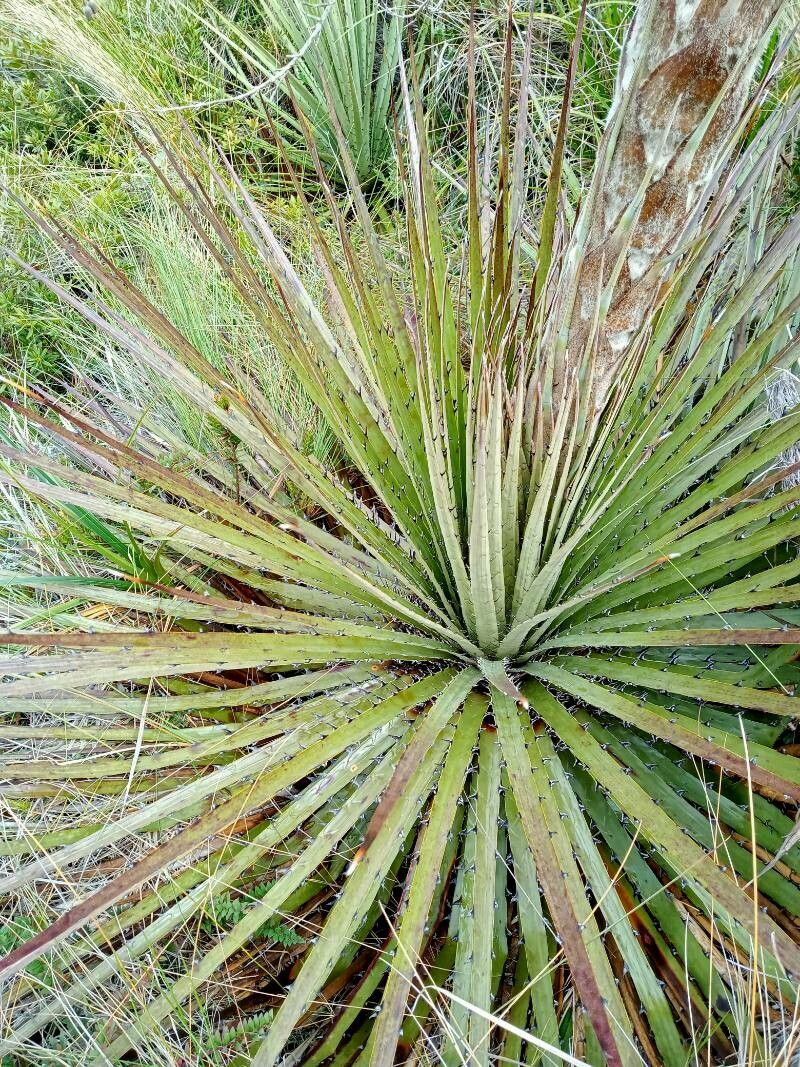
Hello there, fellow plant enthusiasts! Today, we’re diving into the wonderfully spiky world of Puya clava-herculis. If you’re drawn to plants that boast a bit of drama and a lot of architectural beauty, then this bromeliad is for you. Its striking rosette of silvery, sword-like leaves and, if you’re lucky, a magnificent flower spike make it a real showstopper in the garden or on a sunny patio. And the best part? You can create more of these beauties right at home! Propagating Puya clava-herculis is a rewarding endeavor, though I wouldn’t call it a walk in the park for an absolute beginner. It takes a little patience and understanding, but the satisfaction of nurturing a new plant from its parent is truly special.
The Best Time to Start
For Puya clava-herculis, late spring or early summer is your sweet spot. This is when the plant is actively growing, meaning it’s more receptive to taking cuttings and producing offsets. You’ll want to focus your efforts when the mother plant is healthy and vigorous, ideally after it has flowered (though it can take years for them to bloom!).
Supplies You’ll Need
Gathering your supplies beforehand makes the whole process smoother. Here’s what I always have on hand:
- Sharp, clean pruning shears or a sharp knife: Sterilize them with rubbing alcohol.
- Well-draining potting mix: A cactus and succulent mix is usually a good starting point. I often amend mine with perlite or pumice for extra aeration.
- Rooting hormone (optional but recommended): Use a product formulated for stem cuttings.
- Small pots or containers: Terracotta pots are great as they allow the soil to dry out faster.
- Gravel or small stones: For the bottom of pots if you’re worried about drainage.
- Watering can with a fine rose: To gently water your new propagations.
- Gloves: Those spines are no joke!
Propagation Methods
The most common and successful way to propagate Puya clava-herculis is by taking offsets, often called pups. These are baby plants that grow from the base of the mother plant.
- Locate the offsets: Gently examine the base of your mature Puya clava-herculis. You’ll often find small, plantlet-like growths emerging from the soil or nestled against the parent plant’s leaves.
- Prepare your tools: Make sure your pruning shears or knife are clean and sharp.
- Carefully detach the offset: This is the most crucial step. You want to try and get as much of the offset’s base as possible, ideally with some of its own root structure attached. If an offset is firmly attached, you might need to gently tease it away with your fingers or use your tool to cut the connection as close to the mother plant as you can. Be patient; a clean cut is better than tearing.
- Allow it to callous: This is super important for puya. Once you’ve detached the offset, let it air dry in a bright, airy spot for a day or two. This allows the cut end to form a protective callus, which significantly reduces the risk of rot when you plant it.
- Prepare the pot: Fill your small pot with your well-draining potting mix.
- Dip in rooting hormone (optional): If you’re using rooting hormone, dip the callused end of the offset into the powder or gel.
- Plant the offset: Gently insert the callused end of the offset into the potting mix. You want it to be stable and upright. Don’t bury it too deep; just enough so it stands on its own.
- Initial watering: Water very lightly. You want the soil to be just barely moist.
Sometimes, you might encounter a pup that’s a bit more separated or has taken on a more mature form. In these cases, you can try taking a stem cutting, though this is less common for puya and can be trickier. You’d look for a healthy, non-flowering stem with a few leaf nodes. Cut a section about 4-6 inches long, remove the lower leaves, allow it to callous for a few days, and then plant it in well-draining soil, just like an offset.
The “Secret Sauce” (Pro Tips)
Here are a couple of things I’ve learned over the years that make a big difference:
- Don’t overwater early on: This is the number one killer of new propagations! Puya are desert dwellers, and their roots despise sitting in soggy soil. Water sparingly until you see signs of new growth. A light misting or watering from the bottom can be best.
- Bottom heat is your friend: If you have a heat mat designed for seedlings, placing your potted offsets on it can really speed up root development. It mimics the warm soil they’d find in their natural habitat.
Aftercare & Troubleshooting
Once your offset is planted and has calloused, give it time. Resist the urge to constantly check for roots! You’ll know it’s rooting when you gently tug on it and feel some resistance, or better yet, when you see new leaf growth emerging from the center of the rosette.
The most common issue you might encounter is rot. If the base of your offset turns mushy and brown, it’s likely due to too much moisture and poor drainage. If you catch it early, you might be able to salvage it: gently remove it from the soil, cut away any rotted parts with a clean knife, let it callous for a few extra days, and replant in fresh, dry potting mix.
For newly rooted plants, continue with minimal watering, only increasing slightly as the plant establishes itself and shows active growth. Keep it in a bright, warm location, but avoid direct, scorching sun until it’s larger and more robust.
A Warm Encouragement
Propagating Puya clava-herculis is a journey, and like any good plant project, it rewards patience. Don’t be discouraged if your first attempt doesn’t yield dozens of new plants. Take it one offset at a time, learn from each one, and celebrate every success, no matter how small. The process itself is a wonderful way to connect with your plants. Happy propagating!
Resource:
https://identify.plantnet.org/k-world-flora/species/Puya%20clava-herculis%20Mez%20&%20Sodiro/data