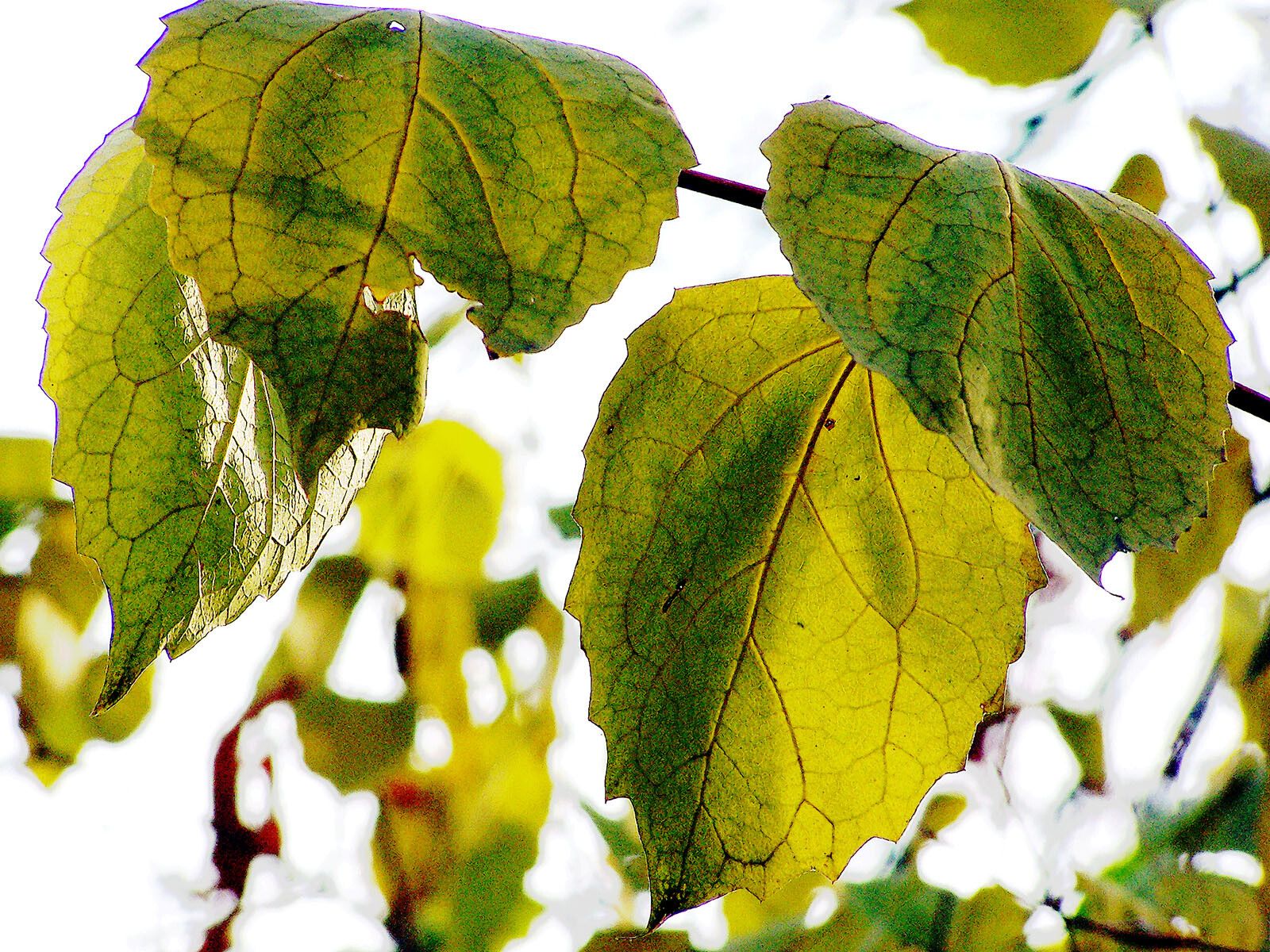
Hey there, fellow plant enthusiasts! I’m so excited to chat with you today about a tree that really captures my heart: Populus heterophylla, or Swamp Cottonwood as it’s often called. If you’re looking for a fast-growing beauty with gorgeous, wavy leaves and a preference for damper spots in your garden, this is your tree! There’s something incredibly satisfying about coaxing a new plant to life from a piece of the old. It’s a process that connects you deeply to the cycle of nature, and honestly, seeing those first tiny roots emerge is pure magic. For beginners, I’d say propagating Populus heterophylla is moderately easy, especially if you’re patient and follow a few key steps. It’s a rewarding project that offers a great introduction to branch cutting.
The Best Time to Start
When it comes to getting the best results with our Swamp Cottonwood cuttings, timing is everything. The ideal window is typically in late spring or early summer, right after the tree has finished its initial flush of new growth. We’re looking for stems that are still somewhat flexible and have developed a bit of maturity, but haven’t hardened off completely. This is often referred to as “semi-hardwood” cuttings. Waiting until this point ensures the cuttings have enough stored energy and are in a good physiological state to root.
Supplies You’ll Need
Gathering your supplies beforehand will make the process so much smoother. Here’s what I always have on hand:
- Sharp, clean pruning shears or a sharp knife: For making clean cuts.
- Rooting hormone powder or gel: This is a booster, helping to encourage root formation.
- Well-draining potting mix: A blend of peat moss, perlite, and a little compost works wonders. You can also use a specialized cutting mix.
- Small pots or trays: Clean containers with drainage holes.
- A plastic bag or humidity dome: To maintain a humid environment for the cuttings.
- Water: For moistening the soil and misting.
- Optional: A heat mat: For providing gentle bottom warmth, which can speed up rooting.
Propagation Methods: The Simple Stem Cutting
For Populus heterophylla, taking stem cuttings is my go-to method. It’s straightforward and very effective.
- Select Your Cuttings: Head out to your Swamp Cottonwood tree during the right season. Look for healthy, vigorous stems that are about the thickness of a pencil. You want pieces of stem that are at least 6 to 8 inches long.
- Make the Cut: Using your clean pruning shears or knife, make a clean cut just below a leaf node (where a leaf attaches to the stem). This is important because that’s often where root initiation starts. You can often take multiple cuttings from a single branch.
- Prepare the Cuttings: Gently strip off any leaves from the bottom half of your cutting. If a cutting is very long, you can trim the remaining leaves in half horizontally. This reduces water loss through transpiration. Dip the cut end of the cutting into your rooting hormone. Make sure to tap off any excess.
- Planting Time: Fill your pots or trays with your prepared potting mix. Make a hole in the center of the soil with your finger or a pencil. Carefully insert the hormone-coated end of the cutting into the hole. Gently firm the soil around the base of the cutting to ensure good contact.
- Water and Cover: Water the soil thoroughly until it’s evenly moist but not waterlogged. Then, cover the pot with a plastic bag or a humidity dome. This creates a mini-greenhouse effect, keeping the humidity high around your cuttings. If you’re using a plastic bag, you might need to prop it up with a few small sticks so it doesn’t touch the leaves.
The “Secret Sauce” (Pro Tips!)
Here are a couple of things I’ve learned over the years that really give these cuttings a helping hand:
- Don’t let the leaves touch the water: If you plan to air-layer or use a humidity dome, make absolutely sure that none of the leaves are sitting in any standing water. This is a quick recipe for rot in my experience. Rotate those leaves up and out of the way!
- Bottom heat is your friend: While not strictly necessary, placing your pots on a gentle heat mat can significantly speed up the rooting process. It mimics the warmth of spring soil and encourages the plant to put its energy into developing roots. Just a few degrees above room temperature is usually perfect.
- Multiple cuttings increase your odds: When I’m propagating, I never take just one or two cuttings. I always aim to take a generous amount, maybe 5-10, from healthy parent plants. Not every single one will make it, and that’s perfectly normal. This strategy maximizes your chances of success.
Aftercare & Troubleshooting
Once your cuttings have started to show signs of life – typically, new leaf growth and resistance when you gently tug on them – it’s time for a bit of fine-tuning.
- Gradual Acclimation: As soon as you see new growth, begin to gradually acclimate your cuttings to lower humidity. This means opening the plastic bag or humidity dome for short periods each day, slowly increasing the duration over about a week. This prevents transplant shock when you eventually remove the cover entirely.
- Watering Routine: Continue to keep the soil consistently moist, but again, avoid soggy conditions. You can test the moisture level by sticking your finger about an inch into the soil. If it feels dry, it’s time to water.
- Signs of Trouble: The most common issue you’ll encounter is rot, which usually manifests as black, mushy stems or leaves. This is almost always due to overwatering and poor drainage. If you see this, sadly, that cutting is likely lost. Another sign of failure is if the cutting dries out completely and looks shriveled, even with the humidity cover.
A Little Patience Goes a Long Way
Propagating plants is a journey, and Populus heterophylla is a wonderful companion for that journey. Don’t be discouraged if your first attempt isn’t a roaring success. Gardening is all about learning, experimenting, and being patient. Each cutting you nurture is a little piece of hope, and with a bit of practice, you’ll be creating beautiful new trees to enjoy for years to come. Happy planting!
Resource:
https://identify.plantnet.org/k-world-flora/species/Populus%20heterophylla%20L./data