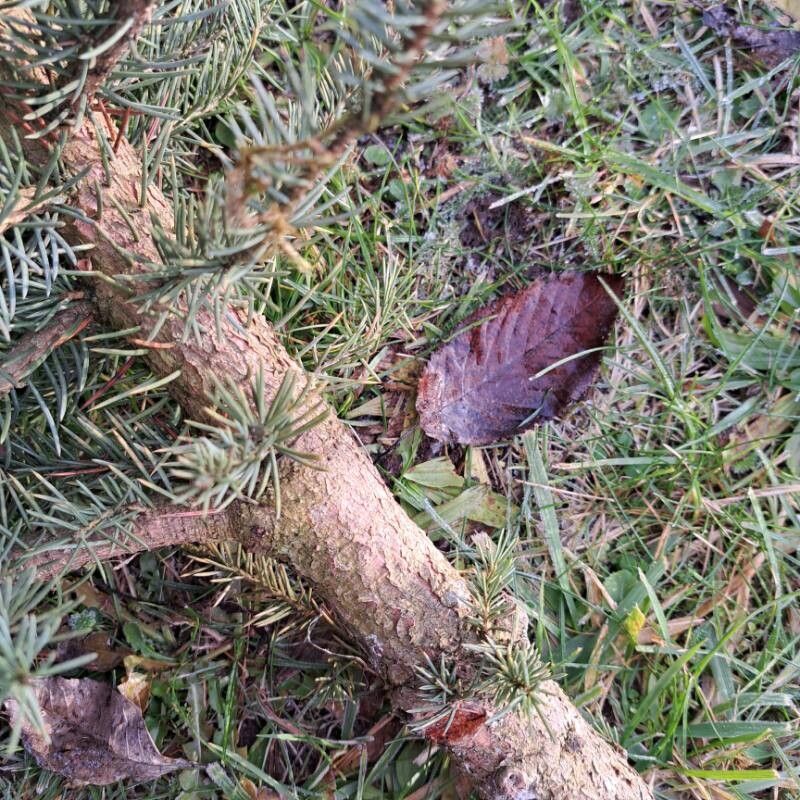
Hey fellow garden enthusiasts! Do you have a love for those stunning, steely blue Colorado Blue Spruces? I know I do. Their vibrant color and majestic presence can truly transform a landscape. And the best part? You can bring that beauty into your own garden, or share it with friends, by propagating your own!
Now, I won’t sugarcoat it – propagating Picea pungens, or Colorado Blue Spruce, isn’t exactly a walk in the park for absolute beginners. It takes a bit of patience and a keen eye. But with the right approach, you’ll find it incredibly rewarding to nurture a new specimen from a tiny cutting.
The Best Time to Start
For the highest success rate with Picea pungens, I always recommend late spring to early summer. This is when the plant is actively growing, and its new shoots are semi-hardwood. These are pliant enough to root but have developed enough structure to withstand the process. Avoid taking cuttings when the wood is too soft and green or when it’s fully mature and woody.
Supplies You’ll Need
Here’s what I always have on hand when I’m getting ready to propagate:
- Sharp, clean pruning shears or a sharp knife: For making clean cuts.
- Rooting hormone powder or gel: This is crucial for encouraging root development.
- A well-draining potting mix: I usually go for a mix of perlite, peat moss, and a bit of coarse sand. You can also find specialized cuttings mix.
- Small pots or propagation trays: With drainage holes, of course!
- A plastic bag or propagation dome: To create a humid environment.
- A spray bottle: For misting.
- Labels: To keep track of what you’ve planted!
Propagation Methods: Stem Cuttings
The most common and effective way I’ve found to propagate Picea pungens is through stem cuttings. Here’s how I do it:
- Select Your Cuttings: Choose healthy, vigorous stems from your mature Colorado Blue Spruce. Look for shoots that are about 4-6 inches long and have started to firm up – they’ll snap rather than bend. Gently scrape away a small sliver of bark from the bottom inch of the cutting. This helps expose the cambium layer, where roots will form.
- Prepare the Cuttings: Remove all but the top few needles from the bottom of the cutting. If you leave needles on the part that will be buried, they’ll rot and infect the cutting.
- Apply Rooting Hormone: Dip the cut end of the stem into rooting hormone powder or gel. Tap off any excess.
- Plant Them Up: Fill your pots or trays with your well-draining potting mix. Make small holes in the soil with a pencil or your finger. Insert the cuttings into the holes, making sure the hormone-coated part is in contact with the soil. Gently firm the soil around the base of each cutting.
- Create Humidity: Water the soil thoroughly until you see water draining from the bottom. Then, cover the pots with a plastic bag or a propagation dome. This will trap moisture and create that vital humid environment. If using a bag, you might need to prop it up with sticks so it doesn’t touch the cuttings.
The “Secret Sauce” (Pro Tips)
After years of trying and tweaking, here are a few little things that have really boosted my success rates:
- Bottom Heat is Your Friend: If you can, place your propagation trays on a heated propagation mat. This gentle warmth from below encourages root formation much faster than room temperature alone. It’s like giving those little roots a cozy place to start growing.
- Don’t Over-Water, but Keep it Moist: While humidity is key, you don’t want the potting mix to be soggy all the time. Check the moisture level regularly by feeling it or looking at the soil. If it feels dry, give it a light watering or misting. The plastic cover will help keep it from drying out too quickly.
- Air Them Out: Every few days, lift the plastic bag or dome for a few minutes to allow for some air circulation. This helps prevent fungal diseases from developing. Think of it as a quick breather for your little spruces.
Aftercare & Troubleshooting
Once you start to see new growth forming, or if you gently tug on a cutting and feel resistance, it’s a sign that roots have developed! This usually takes several weeks, sometimes even a few months, so be patient.
When roots appear, gradually acclimatize your new spruces to normal conditions. This means slowly opening the plastic bag or propagation dome over a week or two before removing it entirely. Continue to water them regularly, ensuring the soil stays consistently moist but not waterlogged.
The most common problem you might encounter is rot. If you see a cutting turning black or mushy, unfortunately, it’s likely a goner. This is usually due to too much moisture and not enough air circulation. Don’t get discouraged; just be ready to try again with better airflow next time.
A Encouraging Closing
Propagating Colorado Blue Spruce is a journey, but it’s one that I truly believe is worth embarking on. There’s a unique satisfaction in nurturing a plant from a cutting and watching it grow into its own magnificent specimen. So grab your shears, get your hands in the soil, and enjoy the process. Happy propagating!
Resource:
https://identify.plantnet.org/k-world-flora/species/Picea%20pungens%20Engelm./data