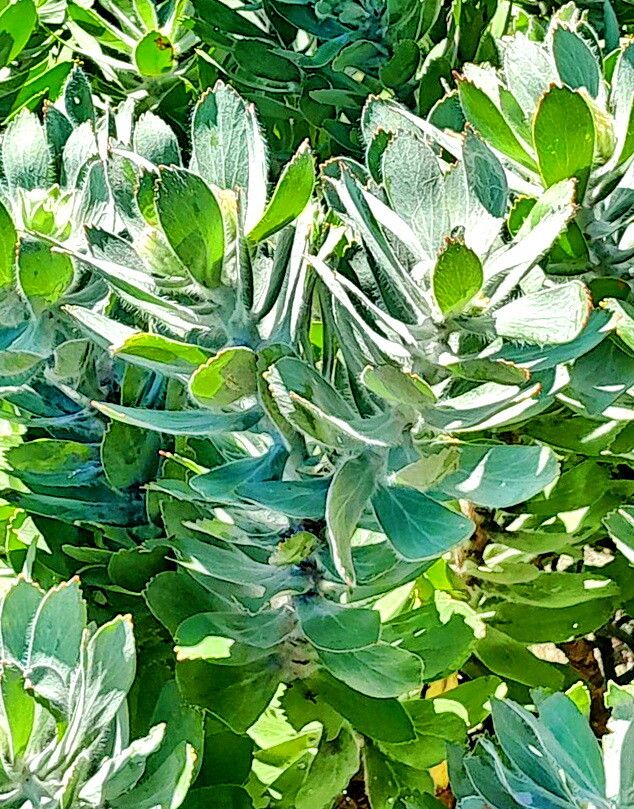
Hello fellow garden enthusiasts! Today, we’re diving into the wonderful world of propagating Leucospermum conocarpodendron, also affectionately known as the “Common Pincushion.” If you’re captivated by its vibrant, fiery blooms, you’re not alone! These Proteaceae beauties are a showstopper in any garden, and creating more of them yourself is incredibly satisfying. Let’s talk about how we can coax new life from these stunners.
Why Propagate Pincushions?
There’s something special about nurturing a plant from a tiny cutting. It’s more than just getting free plants (though that’s a lovely perk!). It’s about connecting with nature, understanding the life cycle, and mastering a new skill. Leucospermum can be a bit of a diva, so propagating them isn’t always a beginner’s walk in the park. But with a little patience and the right approach, you can absolutely be successful. Think of it as a rewarding challenge!
The Best Time to Start
For Leucospermum, late spring to early summer is usually our golden window. This is when the plant is actively growing, and the stems have started to mature but haven’t become too woody. You want cuttings that are firm and plump, not soft and floppy, and definitely not old, cứng nhắc growth.
Supplies You’ll Need
Here’s what you’ll want to have on hand before we get started:
- Sharp, sterile pruning shears or a clean knife: Essential for clean cuts.
- Rooting hormone powder or gel: This is a big help for encouraging root development.
- A well-draining potting mix: A special mix for Proteaceae or a blend of coarse sand, perlite, and a bit of peat moss works wonders. Avoid heavy soils at all costs!
- Small pots or propagation trays: Clean ones are key to preventing disease.
- A clear plastic bag or humidity dome: To create a mini greenhouse effect.
- A spray bottle: For misting.
- Labels and a pen: To keep track of your babies!
Propagation Methods: Stem Cuttings are King
For Leucospermum conocarpodendron, stem cuttings are by far the most reliable method. Division is rarely successful, and water propagation is a no-go for these guys.
Here’s how we do it:
- Take Your Cuttings: In late spring or early summer, select a healthy stem that is about 4-6 inches long. Look for growth that has just finished flowering or is in its early stages of development. Using your sterile shears or knife, make a clean cut just below a leaf node (where a leaf attaches to the stem).
- Prepare the Cuttings: Gently remove the lower leaves from the cutting. You want to expose the leaf nodes, as this is where the roots will emerge. Leave only a few leaves at the very top to help the cutting photosynthesize. If your leaves are very large, you can cut them in half to reduce water loss.
- Apply Rooting Hormone: Dip the base of the cutting into your rooting hormone. Make sure it’s coated well where you removed the lower leaves. Tap off any excess.
- Plant Your Cuttings: Fill your small pots with your prepared well-draining mix. Make a pilot hole with a pencil or your finger, large enough for the stem. Gently insert the base of the cutting into the hole, ensuring the leaf node is tucked into the soil. Firm the soil gently around the stem to make good contact.
- Create a Humid Environment: Water the potting mix thoroughly until it drains from the bottom. Then, cover the pot with a clear plastic bag or place it inside a propagation tray with a humidity dome. Make sure the leaves of your cuttings do not touch the plastic – you can use stakes to hold it up if needed.
The “Secret Sauce” (Pro Tips)
Here are a few tricks I’ve learned over the years that can really boost your success:
- Bottom Heat is Your Friend: For these particular plants, providing bottom heat makes a world of difference. A propagation mat set to around 70-75°F (21-24°C) encourages root development much faster.
- Air Circulation is Key: While we want humidity, stagnant air can lead to fungal issues. Open the plastic bag or dome for a few minutes each day to allow for some air exchange. This prevents rot and encourages stronger growth.
- Don’t Be Impatient with the Soil: I cannot stress this enough – use a super gritty mix. If your mix holds too much water, your cuttings will rot before they even have a chance to root. Think more gravel, less sponge!
Aftercare & Troubleshooting
Once your cuttings are potted up, place them in a bright location with indirect sunlight. Avoid direct sun, which can scorch the delicate cuttings. Keep the soil consistently moist but not soggy. Misting the leaves occasionally can also help.
Feel for roots after about 6-8 weeks. You can gently tug on a cutting – if there’s resistance, roots are forming! Once you feel good root development, you can gradually acclimate your new plants to normal conditions by slowly opening the humidity dome over a week or two.
The most common sign of failure is rot. If your cutting turns black and mushy, it’s likely succumbed to rot. This usually happens due to too much moisture and poor air circulation. If you see a cutting doing well, and then suddenly it wilts and dies, it could be underwatering, but rot is usually the culprit.
Keep Growing!
Propagating Leucospermum conocarpodendron is a journey, not a race. There might be a few casualties along the way, and that’s perfectly okay. Every gardener learns from their experiences. Celebrate the successes, learn from the setbacks, and most importantly, enjoy the process of bringing new life into your garden. Happy propagating!
Resource: