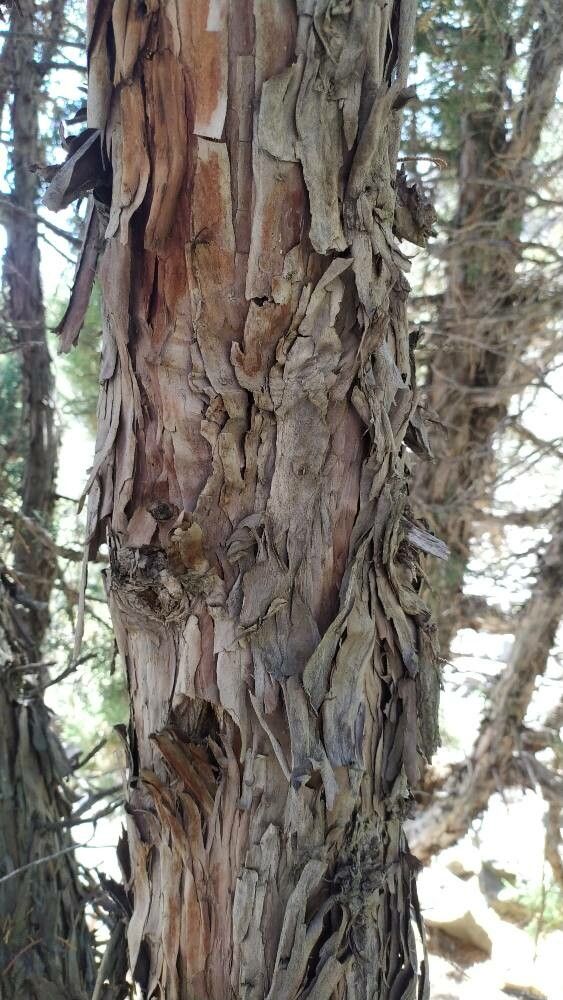
Oh, Junipers! Their fresh, resinous scent always takes me back to crisp autumn days. Juniperus seravschanica, with its beautiful architectural form and evergreen resilience, is such a joy to have in the garden. And you know what’s even more rewarding? Growing new ones from your existing beauties! It’s a wonderful way to share the love of these plants with friends or simply expand your own collection without breaking the bank. While Junipers can be a little bit particular, don’t let that scare you off. With a bit of patience and the right approach, you can definitely be successful.
The Best Time to Start
For propagating Juniperus seravschanica from cuttings, I find that the late spring to early summer is absolutely the sweet spot. This is when the plant is actively growing, and the new, soft growth (“semi-hardwood”) is perfect for taking. It’s pliable enough to root well but has started to firm up, giving it a better chance of survival.
Supplies You’ll Need
To give your new Juniper babies the best start, you’ll want a few things handy:
- Sharp, clean pruning shears or a sharp knife: For taking neat cuttings. I always sterilize mine with rubbing alcohol!
- Rooting hormone powder or gel: This is really helpful for encouraging root development.
- A well-draining potting mix: A peat-based mix with added perlite or coarse sand works wonders. You want it to drain freely to avoid soggy roots.
- Small pots or propagation trays: Enough space for your cuttings to develop roots. Make sure they have drainage holes.
- A plastic bag or propagation dome: To create a humid environment around your cuttings.
- A gentle watering can or mister: To keep things moist without disturbing the cuttings.
- Labels and a permanent marker: To keep track of what you’ve planted and when.
Propagation Methods: Stem Cuttings
This is my go-to method for Junipers, and it’s quite effective.
- Select Your Cuttings: Look for healthy, current-year’s growth on your Juniper. You want pieces that are about 4-6 inches long. They should be flexible but not completely soft and floppy.
- Prepare the Cuttings: Using your clean shears, make a clean cut just below a leaf node (where the leaves attach to the stem). Remove the lower foliage, leaving just a few leaves at the very top. This prevents them from rotting when buried. You can even gently scrape a small strip of bark off the bottom inch of the stem to expose the cambium layer, which encourages rooting.
- Apply Rooting Hormone: Dip the cut end of the stem into your rooting hormone, tapping off any excess. Make sure the bottom inch or so is coated.
- Plant Your Cuttings: Fill your pots or trays with your well-draining mix. Make a small pilot hole with a pencil or your finger. Gently insert the treated end of the cutting into the hole, ensuring the leaves at the top aren’t touching the soil. Firm the soil gently around the base of the cutting.
- Create Humidity: Water the soil lightly. Then, cover your pots with a clear plastic bag or place them under a propagation dome. This traps moisture, creating that essential humid environment. For best results, secure the bag loosely with a rubber band or place it over the pot.
The “Secret Sauce” (Pro Tips)
Now, for a couple of tricks I’ve learned over the years that make a real difference:
- Don’t let the leaves touch the sides of the plastic bag! If they’re pressed against the plastic, they’re much more prone to developing mold. Try to keep the foliage upright and away from the plastic for good air circulation.
- Bottom heat is your friend! Placing your cuttings on a seed starting heat mat can significantly speed up root development. Junipers like it warm at the base, even if the air temperature is moderate. Just keep the mat on low to medium.
Aftercare & Troubleshooting
Once your cuttings are planted, keep them in a bright, indirect light spot. Avoid direct sun, which can scorch the delicate cuttings. Water when the top inch of soil feels dry, but don’t let them sit in soggy conditions. Misting the foliage occasionally can also help maintain humidity.
You’ll know your cuttings are rooting when you see new growth emerging from the top or feel a gentle tug when you very lightly pull on a cutting (don’t yank, just a tiny wiggle!). This can take anywhere from 4 to 12 weeks or even longer, so patience is key!
The most common problem you’ll encounter is rot. If you see your cuttings turning black and mushy, it’s usually a sign of too much moisture and poor drainage. In this case, unfortunately, they’re unlikely to recover. Ensure your soil is airy and that you’re not overwatering.
A Fond Farewell
Propagating Juniperus seravschanica is a journey. It requires a little bit of hope, a good dose of patience, and the willingness to learn from each attempt. Even if not every cutting takes, the process itself is incredibly rewarding. So gather your supplies, get your hands in the soil, and enjoy watching those tiny roots start to form. Happy propagating!
Resource:
https://identify.plantnet.org/k-world-flora/species/Juniperus%20seravschanica%20Kom./data