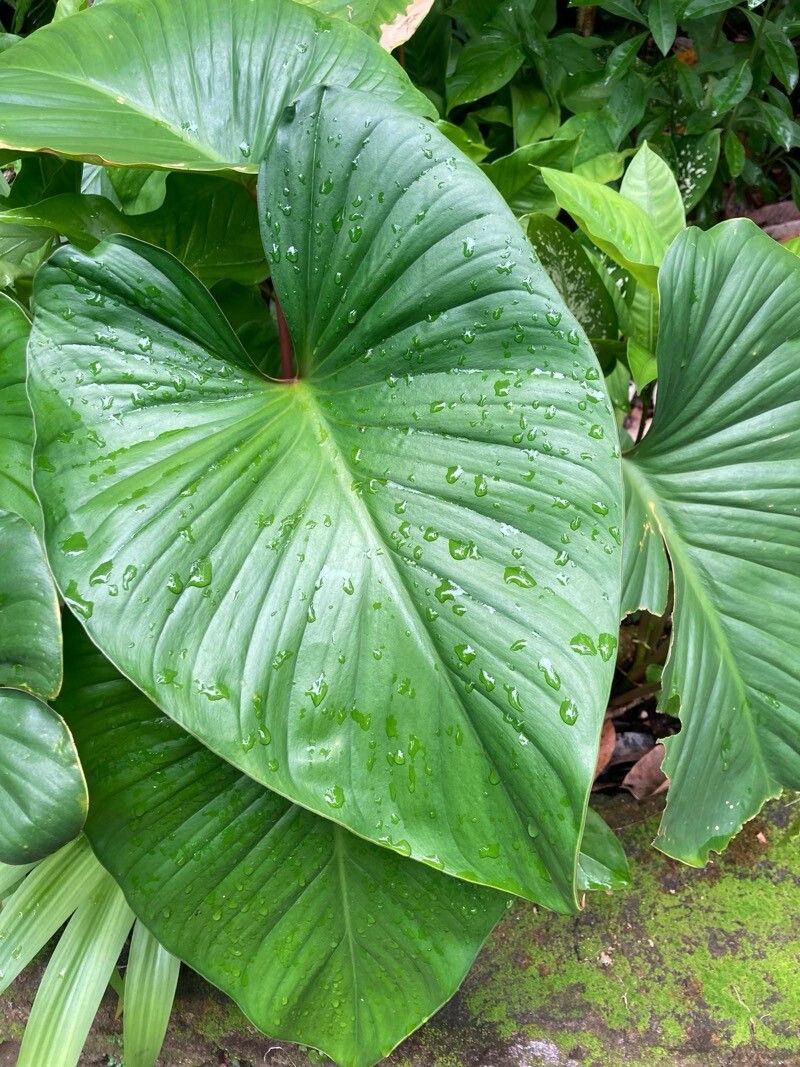
Oh, Homalomena rubescens! I’m so glad you’re thinking about propagating this beauty. If you’ve ever admired its lush, heart-shaped leaves and wondered how to get more of its gorgeousness in your home, you’re in for a treat. Growing new plants from existing ones is one of the most satisfying parts of gardening for me. It’s like giving a little piece of your love and care to create something new.
Your New Plant Best Friend, Homalomena!
Homalomena rubescens, often called the “Red Vein Homalomena” or “Painted Homalomena,” is a real stunner. Its velvety, dark green leaves are adorned with vibrant, almost iridescent red veins that really catch the light. It’s a relatively low-maintenance plant, which makes propagating it even more accessible. For beginners, I’d say it’s moderately easy. It’s not as foolproof as a pothos, but with a little attention, you’ll be successful. The rewards of seeing those little roots sprout and new leaves unfurl are immense!
The Best Time to Start
The sweet spot for propagating Homalomena rubescens is late spring through early summer. This is when the plant is in its most active growth phase. You’ll find it’s more vigorous and ready to put out new roots. Plus, the longer growing season ahead means your new cuttings have a good amount of time to establish themselves before cooler weather arrives.
Supplies You’ll Need
Here’s what you’ll want to have on hand:
- Sharp, clean pruning shears or a knife: For making clean cuts.
- A good quality potting mix: I like to use a blend of peat moss, perlite, and a bit of compost. It needs to be well-draining!
- Small pots or containers: Terracotta pots are great because they allow the soil to breathe.
- Rooting hormone (optional but recommended): This can give your cuttings a little extra boost.
- Clear plastic bag or dome: To create a humid environment for your cuttings.
- Water: For watering and for water propagation.
- Clear glass or jar: If you choose water propagation.
- A well-draining soil separator: Like perlite or coarse sand.
Propagation Methods
Homalomena rubescens is easiest to propagate through division or stem cuttings. Let’s dive into those!
Stem Cuttings
This is my go-to method for many plants. It’s straightforward and often yields great results.
- Take Your Cuttings: Using your sharp shears, make a clean cut just below a node (that’s the little bump on the stem where a leaf grows). You’re looking for cuttings that have at least one, preferably two, healthy leaves and a node.
- Prepare the Cutting: If your cutting has a lot of large leaves, you can trim them in half horizontally. This reduces water loss while the cutting is trying to root. Remove any leaves that might fall below the soil line or water.
- Optional: Rooting Hormone: Dip the cut end of the stem into powdered rooting hormone. Tap off any excess. This is like giving your cutting a little superhero cape!
- Planting: Fill your small pots with your well-draining potting mix. Make a small hole with your finger or a pencil, and gently insert the cutting so the node is below the soil surface. Tamp the soil gently around the stem to secure it.
- Water and Cover: Water the soil thoroughly until it drains from the bottom. Then, place a clear plastic bag over the pot, or cover it with a clear dome. Make sure the bag isn’t touching the leaves too much. This creates a mini-greenhouse.
Water Propagation
This is a fun one to watch!
- Prepare Your Cutting: Follow steps 1 and 2 from the Stem Cuttings method. You’ll want a cutting with a node.
- Place in Water: Fill a clear glass or jar with room-temperature water. Place the cutting in the water so that the node is submerged, but the leaves are kept out of the water.
- Find a Spot: Place the jar in a bright, indirect light location.
- Change Water Regularly: Change the water every few days to keep it fresh and prevent rot.
Division
If your Homalomena has gotten quite large and bushy, you might be able to divide it.
- Remove from Pot: Gently ease the plant out of its pot.
- Examine the Roots: Look for natural divisions where new plants are already starting to grow from the base.
- Separate Gently: Using your fingers or a clean knife, carefully separate the clumps. Try to keep as much of the root system intact as possible for each new division.
- Pot Up: Plant each division in its own pot filled with your well-draining potting mix. Water thoroughly.
The “Secret Sauce”
Here are a couple of things I’ve learned over the years that really make a difference:
- Don’t Let the Leaves Touch the Water (for water propagation): This is a big one! If submerged leaves sit in stagnant water, they’ll rot. This will kill your cutting before it even has a chance to form roots.
- Bottom Heat is Your Friend: If you’re having trouble getting cuttings to root, especially if the weather is cooler, a little warmth from below can work wonders. You can buy a “plant heat mat” designed for seedlings and cuttings. It provides gentle, consistent warmth that encourages root development.
- Patience and Observation: Sometimes, it just takes time. Keep an eye on your cuttings. If the soil looks dry, give it a gentle watering. If you see signs of rot (mushy, dark stems), remove the affected part immediately.
Aftercare & Troubleshooting
Once you see new roots forming (you’ll see them emerging from the bottom of the pot for soil cuttings, or they’ll be a good inch or two long for water cuttings), it’s time to transition.
- For Soil Cuttings: If you used a plastic bag, gradually acclimate your new plant to the less humid environment by opening the bag for longer periods each day over a week. Once it’s out, continue to water when the top inch of soil feels dry.
- For Water Cuttings: Once you have a decent root system (at least an inch or two long), you can carefully plant it in a pot with your well-draining potting mix. Water gently.
- Common Signs of Failure:
- Rot: This is the most common problem. It shows up as mushy, brown, or black stems. Usually, this is due to overwatering or poor drainage. If you see this, try to salvage any healthy parts and start again, ensuring better drainage and less watering.
- Wilting: If your cutting wilts and doesn’t perk up after watering or being in its high-humidity environment, it might be too far gone. Again, check your watering and humidity levels.
- No Growth: Some plants just take their sweet time. If you haven’t seen any signs of roots or new growth after a month or two, don’t despair. It might just need more time or slightly different conditions.
Enjoy the Journey!
Propagating plants is so rewarding. You’re not just growing a plant; you’re cultivating patience and learning to read the needs of your leafy friends. Don’t be discouraged if your first attempt isn’t perfect. Every gardener, myself included, has had cuttings that didn’t make it. Just keep trying, observe your plants, and celebrate those beautiful little root systems as they emerge. Happy propagating!
Resource:
https://identify.plantnet.org/k-world-flora/species/Homalomena%20rubescens%20(Roxb.)%20Kunth/data