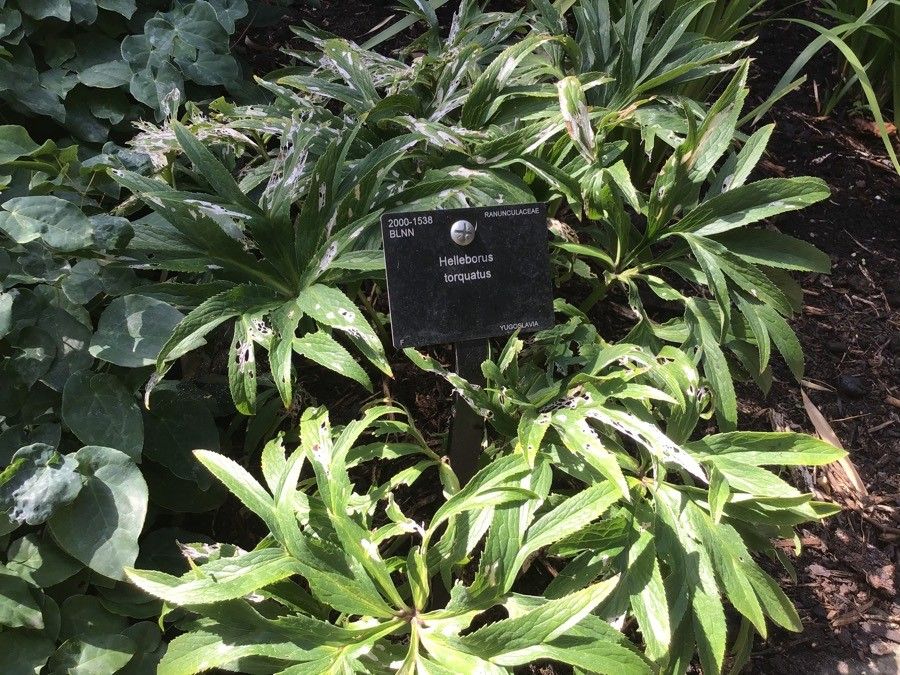
Oh, Helleborus multifidus! Isn’t it just a delightful plant? Those finely dissected leaves are so elegant, and when those delicate, often star-shaped flowers appear, usually in shades of green, white, or dusky rose, they bring such a unique charm to the garden. If you’ve fallen for its beauty and are thinking about sharing it (or just want more of it for yourself!), propagating it is a wonderful adventure. Some might say Hellebores can be a tad on the slow side, but for Helleborus multifidus specifically, I find it’s moderately easy to propagate once you get the hang of it. It’s a rewarding journey, watching a tiny piece of your favorite plant grow into something substantial.
The Best Time to Start
For this particular lovely, the prime time to get your hands dirty with propagation is generally in the early spring, right after the plant has finished flowering but before the extreme heat of summer sets in. This is when the plant has a good amount of energy stored for growth and isn’t stressed by hot weather. You’ll also find that late summer to early autumn can work, but spring usually offers a slightly higher success rate for me.
Supplies You’ll Need
You don’t need a whole shed full of fancy gadgets to propagate Helleborus multifidus. Here’s what I usually grab:
- Sharp Pruning Shears or a Knife: Cleanliness is key! Make sure they’re sterile to prevent introducing any nasty bugs or diseases.
- Potting Mix: I like a well-draining mix. A good starting point is a mix of equal parts potting soil, perlite, and coarse sand. Some gardeners even swear by adding a bit of horticultural charcoal.
- Small Pots or Seed Trays: Whatever you have available that’s clean and has drainage holes.
- Rooting Hormone (Optional but Recommended): A powder or gel can give your cuttings a boost, especially if you’re a bit anxious about them taking root.
- Labels and a Pen: To keep track of what you’ve planted and when!
- Watering Can or Mister: For gentle watering.
Propagation Methods
While Helleborus multifidus can be grown from seed (though it can be quite slow and you might not get an exact replica of the parent plant), the most common and rewarding methods for getting more of your established plant are:
Division (The Easiest Route!)
This is my go-to method for Helleborus, and multifidus is no exception. It’s like giving your plant a well-deserved haircut and a fresh start.
- Dig Carefully: In early spring, after blooming, gently dig around the base of your mature Helleborus multifidus. You want to lift the entire clump out of the ground, disturbing the roots as little as possible.
- Clean Off Soil: Gently brush or wash away excess soil from the root ball. You’re looking for distinct crowns or growing points.
- Separate the Clumps: Using your hands or a clean, sharp knife or spade, carefully divide the root ball into smaller sections. Each section should have at least one healthy root system and a growing point (where the leaves emerge). You’ll be able to see where the divisions naturally want to separate.
- Replant Immediately: Plant each division back into prepared garden beds or into pots filled with your well-draining potting mix. Make sure the crown is at the same level it was previously.
- Water Gently: Water them in well, but avoid waterlogging.
Stem Cuttings (A Bit More Fiddly, but Fun!)
This method is less common for Hellebores than division, as they tend to be slower to root from cuttings. But if you’re feeling adventurous, give it a try!
- Take Cuttings: In early spring, select healthy, non-flowering stems. Cut them about 3-4 inches long, just below a leaf node (the point where a leaf attaches to the stem). Remove the lower leaves, leaving just a couple at the top.
- Apply Rooting Hormone: Dip the cut end of the stem into your chosen rooting hormone, tapping off any excess.
- Plant Cuttings: Insert the prepared cuttings into pots filled with your well-draining potting mix. Make a small hole with a pencil or dibber first to avoid rubbing off the rooting hormone.
- Water and Cover: Water gently and then cover the pots with a plastic bag or a clear plastic dome to create a humid environment. This is crucial for cuttings.
- Provide Light and Temperature: Place the pots in a bright spot out of direct sunlight. If you have a heat mat, using bottom heat can really encourage root development.
The “Secret Sauce” (Pro Tips)
After years of coaxing plants to multiply, I’ve learned a few tricks that seem to make all the difference:
- Don’t Over-Chop Division: When dividing, err on the side of larger divisions. Smaller divisions have fewer resources and can struggle more. It’s better to have fewer, stronger divisions than many weak ones.
- Patience is a Virtue (Especially with Cuttings): Hellebores are not snapdragons; they take their time. For cuttings, don’t be discouraged if roots don’t appear for weeks, or even months. Keep them consistently moist and humid.
- Freshness Matters: When taking cuttings, try to get them planted as soon as possible after taking them. Leaving them to sit around, even for a few hours, can reduce their chances of success.
Aftercare & Troubleshooting
Once your divisions or cuttings have settled in, consistent care is key.
For divided plants, water them regularly, especially during dry spells, until they are established. Keep an eye out for wilting, which might indicate they need a drink.
For cuttings, the goal is to keep them consistently moist but not soggy. Rot is the biggest culprit here. If you see the stems turning mushy or developing black spots at the soil line, it’s usually a sign of too much moisture and not enough air circulation. Gently pull out any affected cuttings. You might need to increase ventilation slightly or reduce watering frequency if this becomes a persistent problem.
Once you see new leaf growth on your cuttings, that’s a good sign that roots are forming! You can gently tug on the cutting to feel for resistance. When they have a good root system, you can gradually acclimatize them to lower humidity before transplanting them into their own small pots.
A Little Encouragement to Finish
Propagating Helleborus multifidus is a journey, not a race. Whether you divide your favorite clump or try your hand at cuttings, embrace the process. It’s a beautiful way to connect with your plants and see their resilience. Be patient, enjoy the quiet anticipation, and I promise, there’s a special kind of joy in watching a new plant you nurtured from a piece of another unfurl its leaves for the very first time. Happy gardening!
Resource:
https://identify.plantnet.org/k-world-flora/species/Helleborus%20multifidus%20Vis./data