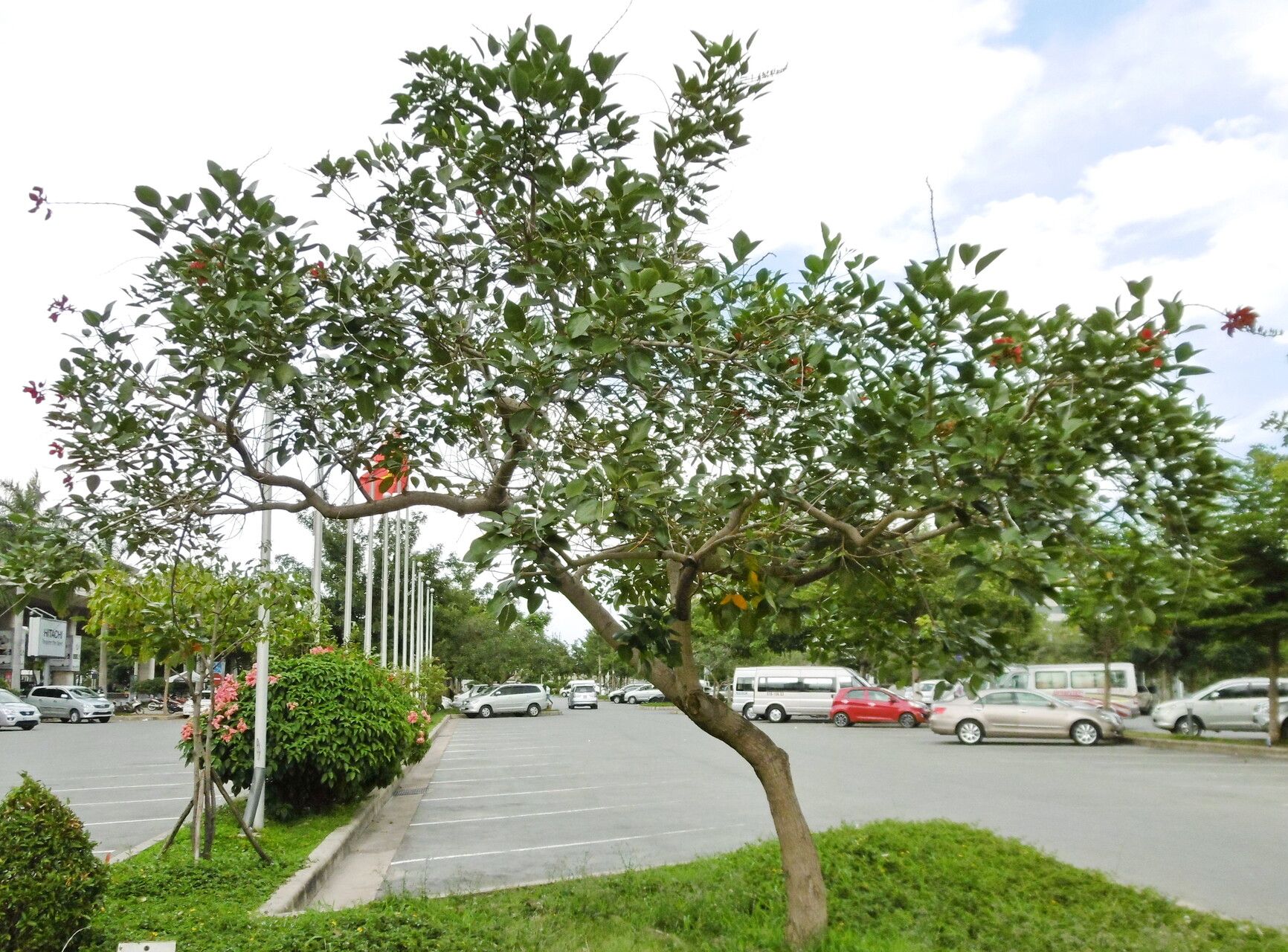
Hello fellow garden enthusiasts! It’s so lovely to have you join me today. We’re going to delve into the enchanting world of Erythrina stricta, often called the Coral Tree. I’ve always been captivated by its vibrant coral-red blossoms that literally drip from the branches, a spectacular show that brings pure joy to any garden. And let me tell you, propagating your own Coral Tree from cuttings is a wonderfully rewarding experience. It’s not the absolute easiest plant for a complete novice, but with a little patience and these straightforward steps, I’m confident you’ll be successful.
The Best Time to Start
For Erythrina stricta, spring is your golden ticket. As the plant is waking up from its dormancy and actively growing, it has the best energy reserves to heal from cuttings and push out new roots. Aim for when new, soft growth is appearing but hasn’t started to harden off completely.
Supplies You’ll Need
Here’s a quick rundown of what you’ll want to have on hand:
- Sharp, clean pruning shears or a sharp knife. Sanitize them before you begin!
- Rooting hormone (powder or gel). This isn’t strictly mandatory, but it can give your cuttings a significant boost.
- A well-draining potting mix. I like a blend of perlite, coco coir, and a bit of compost. Regular potting soil can often hold too much moisture.
- Small pots or containers with drainage holes.
- A spray bottle filled with clean water.
- Optional: A propagation mat for bottom heat.
Propagation Methods
The most effective way to propagate Erythrina stricta is through stem cuttings.
- Take Your Cuttings: Select healthy, young stems that are about 6-10 inches long. Look for stems that have just begun to firm up but are still somewhat flexible. Make a clean cut just below a leaf node (where a leaf attaches to the stem). Remove the lower leaves, leaving just a couple at the very top.
- Apply Rooting Hormone: Dip the cut end of the stem into your rooting hormone, ensuring it’s coated about an inch up from the cut. Tap off any excess.
- Potting Up: Fill your clean pots with your prepared well-draining mix. Make a hole in the center with your finger or a pencil. Gently insert the cutting into the hole, making sure the rooting hormone stays on. Firm the soil around the base of the cutting.
- Watering and Humidity: Water gently to settle the soil. You want the soil to be moist but not waterlogged. To maintain humidity, which is crucial for cuttings, I like to cover the pots loosely with a clear plastic bag or place them in a small propagation dome. Make sure the bag doesn’t touch the leaves.
The “Secret Sauce” (Pro Tips)
Now, for a couple of little tricks that have always helped me:
- Don’t Rush the Hardening Off: Once your cuttings have developed decent roots (you’ll see new growth from the top), it’s time to get them acclimated to normal conditions. Gradually remove the plastic covering for a few hours each day, increasing the time over a week or two. This prevents shock.
- Bottom Heat is Your Friend: Erythrinas love warmth. If you have a propagation mat, placing your pots on it can significantly speed up the rooting process. It encourages root development from below, much like a greenhouse effect.
Aftercare & Troubleshooting
Once you see new leaves emerging, that’s a great sign your cutting is taking! Keep the soil consistently moist but not soggy. Avoid fertilizing for the first few months; let the plant focus on establishing a strong root system.
The most common issue you might encounter is rot. If your cutting looks mushy at the base or the leaves are yellowing and dropping rapidly, it’s likely due to too much moisture. Ensure your soil drains exceptionally well and that you’re not overwatering. If you catch it early, you might be able to salvage a healthier section of the stem, but sometimes rot is a sign the cutting is lost.
A Encouraging Closing
Remember, gardening is a journey, and propagation is a beautiful dance with nature. Don’t be discouraged if not every cutting thrives. Each attempt is a learning experience, and with a little practice, you’ll be admiring your very own Coral Trees in no time. Enjoy the process, and happy gardening!
Resource:
https://identify.plantnet.org/k-world-flora/species/Erythrina%20stricta%20Roxb./data