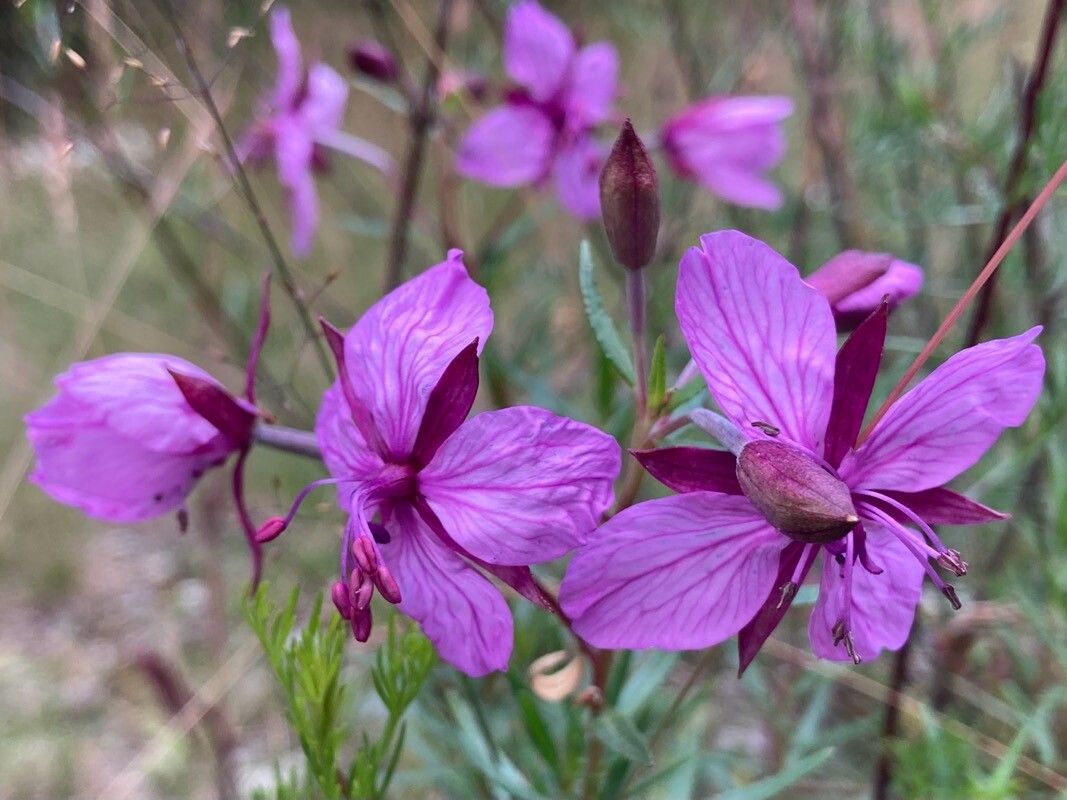
Hello, fellow garden enthusiasts! I’m so glad you’ve stopped by. Today, we’re going to talk about a truly delightful plant: Epilobium dodonaei, or as it’s commonly known, Alpine Willowherb. If you love plants with a touch of wild charm and a burst of vibrant color, you’re in for a treat. Its slender, silvery leaves and soft pink to magenta flowers are simply captivating, especially when they dance in the breeze. And the best part? Propagating it is a wonderfully rewarding endeavor. While it might seem a little intimidating at first glance, I’ve found Epilobium dodonaei to be surprisingly agreeable to propagation, making it a great project for even those just starting their journey into plant magic.
The Best Time to Start
When it comes to Epilobium dodonaei, I’ve discovered that late spring to early summer is your golden window. This is when the plant is actively growing, meaning it has plenty of energy to put into developing new roots. Look for stems that are still somewhat pliable but have started to mature a bit – not the brand new, floppy tips, but not the woody old growth either. Think of it as aiming for that sweet spot of youthful vigor.
Supplies You’ll Need
Gathering your tools before you begin is always a smart move. It makes the whole process so much smoother. Here’s what I always have on hand:
- Sharp Pruning Shears or a Craft Knife: For clean cuts that minimize damage.
- Rooting Hormone Powder or Gel: This is a game-changer! It really encourages root development.
- Potting Mix: A well-draining mix is crucial. I often use a 50/50 blend of standard potting soil and perlite or coarse sand.
- Small Pots or Seed Trays: Clean pots are essential to prevent disease.
- Clear Plastic Bags or a Propagator Lid: To create a humid environment.
- Watering Can with a Fine Rose: For gentle watering.
- Labels: To keep track of your precious new plants!
Propagation Methods
Epilobium dodonaei is fantastic because it’s quite forgiving and happy to be propagated through a couple of common methods.
Stem Cuttings
This is my go-to for Epilobium dodonaei. It’s efficient and usually yields great results.
- Take Your Cuttings: With your clean shears, select healthy stems about 4-6 inches long. Make a clean cut just below a leaf node (where a leaf attaches to the stem).
- Prepare the Cuttings: Gently remove the lower leaves, leaving just a couple at the very top. This prevents them from rotting in the soil. If your cuttings are a bit spindly, you can even cut the remaining leaves in half to reduce water loss.
- Apply Rooting Hormone: Dip the cut end of each stem into your rooting hormone, tapping off any excess.
- Plant the Cuttings: Make small holes in your prepared potting mix with a pencil or your finger. Insert the cuttings about an inch deep, ensuring the leaf nodes are covered. Gently firm the soil around them.
- Create Humidity: Water the soil gently and then cover the pots with a clear plastic bag or propagator lid to trap moisture. Ensure the bag doesn’t touch the leaves too much.
- Provide Light and Warmth: Place your cuttings in a bright spot out of direct sun. A little warmth from a heating mat can really speed things up, but it’s not strictly necessary.
Division
This method is best done when you have an established clump of Epilobium dodonaei that you’re looking to share or simply make more of. It’s usually done in early spring as new growth begins to emerge.
- Dig Up the Clump: Carefully dig around the base of the plant and lift the entire clump from the soil. It’s okay if you disturb the roots a bit.
- Inspect and Separate: Gently shake off excess soil to reveal the root system and crowns. You’ll often see distinct sections that can be carefully pulled or cut apart. Use your sharp knife or even your hands to gently divide the clump into smaller sections, ensuring each new piece has healthy roots and at least one or two growing points.
- Replant Immediately: Plant the divisions as you would a regular plant, watering them in well.
The “Secret Sauce” (Pro Tips)
After years of coaxing new life from cuttings, I’ve picked up a few tricks that make a real difference:
- Don’t Let Them Drown: For stem cuttings, avoid letting the leaves sit directly in any standing water in the tray or pot. This is a fast track to rot. If you’re water propagating, make sure only the very bottom of the stem is submerged.
- Bottom Heat is Your Friend: While not essential, placing your pots on a gentle heating mat can dramatically speed up root formation and increase your success rate, especially if your propagating space is a bit cooler.
- Good Air Circulation is Key: Once you see roots forming and new growth appearing, it’s time to gradually increase ventilation. If you used a plastic bag, start opening it for a few hours each day. This helps prevent fungal diseases.
Aftercare & Troubleshooting
Once you spot those lovely new roots (you might see them peeking out the drainage holes!) or the start of new shoots, it’s time to ease up on the high humidity.
- Watering: Water regularly but avoid waterlogging the soil. Let the surface of the soil dry out slightly between waterings.
- Light: Continue to provide bright, indirect light. As the plant grows stronger, you can gradually introduce it to more direct sunlight, mirroring the conditions of a mature plant.
- Transplanting: Once the new plants are well-established with a good root system, you can transplant them into individual pots or their final garden location.
Now, what if things go wrong? The most common culprit is rot, which looks like a mushy, blackened stem. This usually happens due to overwatering or poor air circulation. If you see this, unfortunately, that cutting is likely lost. Don’t be discouraged! Just clean your tools, start fresh, and try again with your next batch. Sometimes, you might see the cutting wilt and just not do anything – this can happen if conditions aren’t quite right or the cutting wasn’t viable to begin with. Patience is key here.
A Warm Closing
Propagating Epilobium dodonaei is truly a delight. It’s a chance to connect with nature, understand the miracle of new life, and multiply the beauty in your garden. Don’t be afraid to experiment, and remember that every gardener has had their share of failed attempts. The joy you’ll feel when you see those first tiny roots emerge and watch your new plants flourish is absolutely worth it all. Happy propagating!
Resource:
https://identify.plantnet.org/k-world-flora/species/Epilobium%20dodonaei%20Vill./data