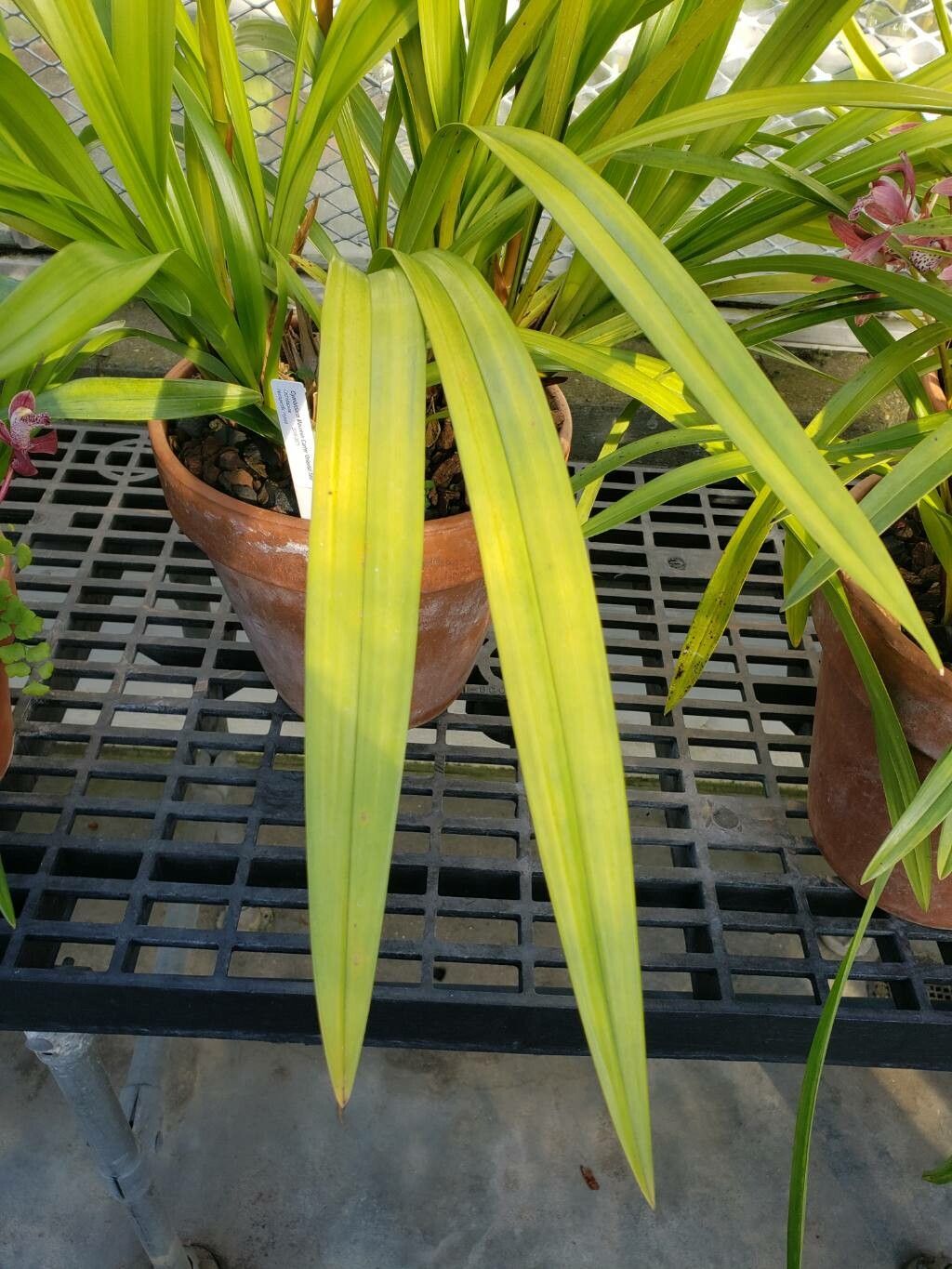
Hello there, fellow plant lovers! I’m so glad you’re here. Today, we’re diving into the wonderful world of propagating Cymbidium sinense. If you’ve ever admired this elegant orchid, with its graceful arching leaves and often fragrant, delicate blooms, you’re in for a treat. Sharing this beauty through propagation is incredibly rewarding. You get to create new life, expand your collection, and even share these special plants with friends.
Now, I want to be upfront: Cymbidium sinense can be a bit of a diva when it comes to propagation. It’s not the absolute easiest orchid to start from scratch for a complete beginner, but with a little patience and the right approach, it’s absolutely doable and immensely satisfying. I’ve learned a thing or two over the years, and I’m excited to share my tried-and-true methods with you.
The Best Time to Start
Timing is everything, isn’t it? For Cymbidium sinense, the ideal time to propagate is in the spring, right after the plant has finished flowering. You’re looking for a period when the plant is actively growing and has plenty of energy. This usually coincides with warmer temperatures and increasing daylight. Don’t rush it; wait until the plant is showing signs of new leaf growth or pseudobulb development.
Supplies You’ll Need
Gathering your tools before you begin makes the whole process smoother. Here’s what I always have on hand:
- Sharp, sterile pruning shears or a clean knife: For making precise cuts. A quick dip in rubbing alcohol or a flame sterilization is key to preventing disease.
- Orchid bark mix or a well-draining potting mix: A blend specifically for orchids is best. I often use a mix of medium-grade orchid bark, perlite, and a touch of coco coir for good aeration and moisture retention.
- Small pots or containers: For your new propagations. Make sure they have drainage holes!
- Hormone rooting powder (optional but recommended): This gives new cuttings a helpful boost.
- Watering can with a fine rose: For gentle watering.
- Labels and a permanent marker: So you don’t forget what you’ve propagated and when!
Propagation Methods
For Cymbidium sinense, division is certainly the most common and usually the most successful method. It’s like giving your plant a little haircut and sharing the bounty.
Division for Cymbidium Sinense
This is how you’ll typically increase your stock. You’ll be working with an established plant that has multiple pseudobulbs (those swollen stem-like structures at the base).
- Gently remove the plant from its pot. If it’s stuck, a little bit of squeezing around the edges of the pot can help.
- Clean off the old potting mix. You want to be able to see the pseudobulbs and their roots clearly. You can do this by gently teasing the mix away with your fingers or a chopstick.
- Inspect the plant. Look for natural divisions where a new growth has started from an older pseudobulb. You’re aiming for sections that have at least two to three healthy pseudobulbs and some good roots.
- Separate the divisions. This is where your sharp, sterile tool comes in. Carefully cut or pull apart the pseudobulbs. Try to keep as many roots attached as possible to each division. If the roots are very tangled, it’s okay to sacrifice a few to make the separation clean.
- Prepare the divisions for potting. If you’ve made any cuts, you can dust the cut surfaces with fungicide or cinnamon powder to prevent rot. For any divisions that look a bit too “chopped,” you can let the cut ends air dry for a day or two in a well-ventilated spot before potting. This helps callous over and reduces the risk of infection.
- Pot up your divisions. Plant each division in its own small pot, using your well-draining orchid mix. The pseudobulbs should be slightly above the surface of the mix. The goal is to give each division the best chance to establish its own root system.
The “Secret Sauce” (Pro Tips)
Here are a couple of things that have really made a difference for me when propagating orchids like Cymbidium sinense:
- Think about air circulation. After potting your divisions, don’t water them immediately. Instead, let them sit for a few days. This allows any minor damage from the division process to heal and helps prevent rot. After that initial dry period, water them generously. This initial dryness is crucial for setting them up for success.
- Consider supplemental light and warmth. While not strictly necessary, new divisions really benefit from being placed in a location with bright, indirect light and consistent, slightly warmer temperatures than your main growing area. A heat mat underneath the pots can significantly encourage root development, especially if your spring is still a bit cool.
Aftercare & Troubleshooting
Once your divisions are potted, the real work is about patience.
- Watering: After that initial dry period, water them thoroughly when the potting mix starts to feel dry. Don’t let them sit in soggy conditions, but also don’t let them dry out completely. When in doubt, it’s usually better to underwater slightly than to overwater.
- Light: Keep them in bright, indirect light. Direct sun can scorch new growth.
- Fertilizing: Once you see signs of new growth (a new leaf or root emerging), you can start feeding them with a weakly diluted balanced orchid fertilizer.
The most common issue you’ll encounter is rot. If a pseudobulb starts to turn soft, mushy, and discolored, it’s a sign of rot. This is often caused by overwatering or poor air circulation. If you catch it early, you might be able to cut away the rotted part and treat the remaining healthy section with fungicide, but often, it’s a difficult battle to win. Another sign of failure is a lack of any new growth after a good while. This can mean the division didn’t have enough healthy roots to begin with, or it just didn’t establish.
A Encouraging Closing
Propagating orchids is a journey, and like any good journey, it requires a bit of patience and a lot of observation. Don’t be discouraged if not every division takes off right away. Each plant is a little bit different, and so is each propagation attempt. Celebrate the successes, learn from the challenges, and truly enjoy the process of nurturing new life. Happy growing!
Resource:
https://identify.plantnet.org/k-world-flora/species/Cymbidium%20sinense%20(Andrews)%20Willd./data