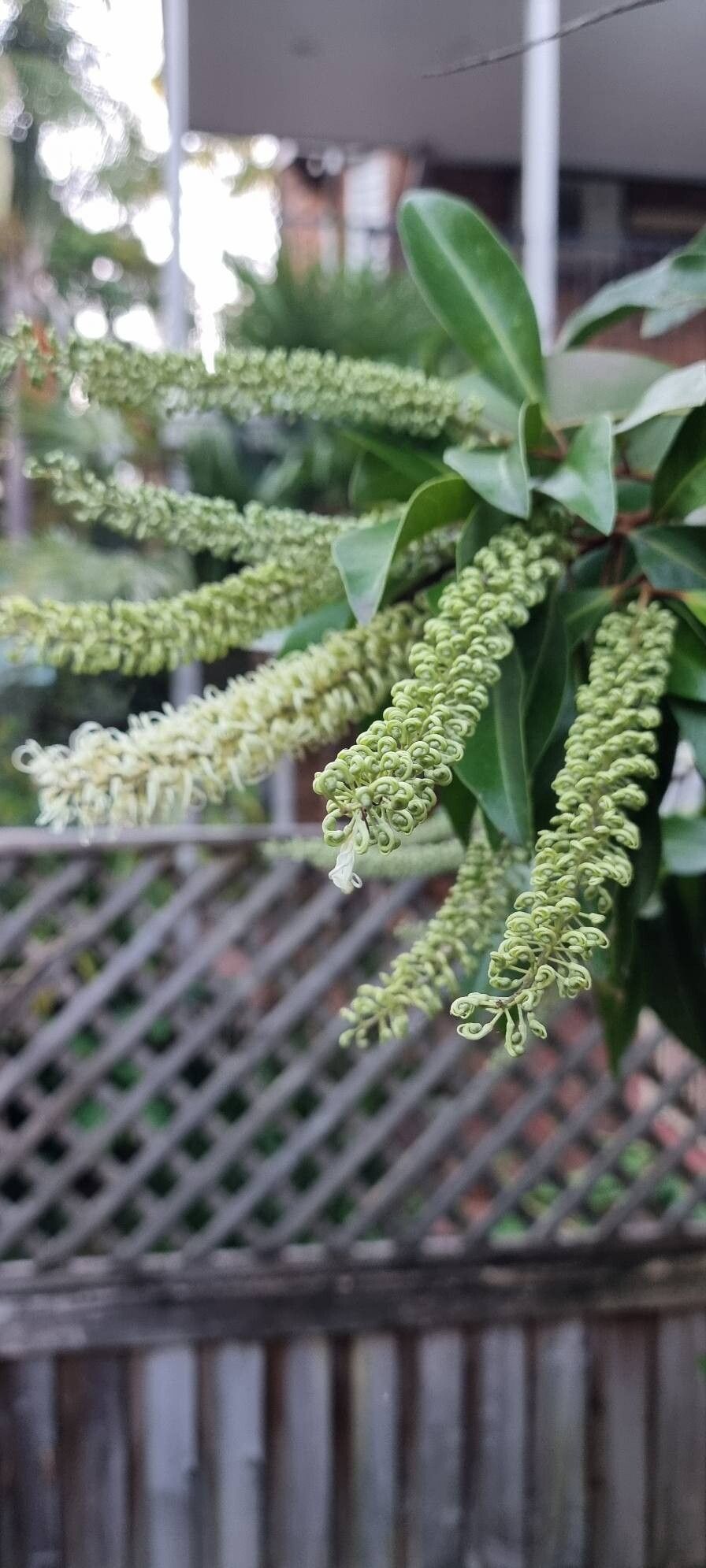
Hello there, fellow garden enthusiasts! Today, I want to chat about a truly special bloom: Buckinghamia celsissima. You might know it as the Ivory Curl or the Snowflake Tree. Honestly, those names don’t quite capture the magic. Imagine cascades of creamy white, fragrant flower spikes, looking like delicate curls unfurling against glossy, dark green leaves. It’s a real showstopper, and growing your own from scratch? That’s pure garden joy.
Now, if you’re new to the plant propagation world, Buckinghamia celsissima might feel a tiny bit daunting. It’s not the absolute easiest plant for a complete beginner, but with a little patience and the right approach, I promise it’s entirely achievable. Think of it as a rewarding challenge, like learning a new recipe that turns out absolutely delicious.
The Best Time to Start
For the highest chance of success, I always recommend taking cuttings from Buckinghamia celsissima during its active growth period. For most of us, this means late spring or early summer. You’re looking for shoots that are semi-hardwood. This means they’re not brand new, floppy green growth, but they also aren’t so woody that they’re stiff and brittle. Gently bending a potential cutting; it should have enough flexibility to give a little, but feel firm.
Supplies You’ll Need
Here’s a little list to gather before we get our hands dirty:
- Sharp pruning shears or a clean, sharp knife: Essential for making clean cuts that heal well.
- Well-draining potting mix: A good blend for me is 50% peat moss or coco coir and 50% perlite or coarse sand. This ensures good aeration and prevents waterlogging.
- Rooting hormone: This isn’t strictly essential for Buckinghamia, but it can give your cuttings a significant boost. I prefer a powder form.
- Small pots or seed trays: Clean pots are a must to avoid disease.
- Plastic bags or a propagator: To create a humid environment for your cuttings.
- Labels and a marker: To keep track of what you’ve potted and when!
Propagation Methods: Stem Cuttings
The most reliable way I’ve found to propagate Buckinghamia celsissima is through stem cuttings. Here’s how I do it:
- Select Your Cuttings: Find those semi-hardwood shoots I mentioned earlier. Aim for pieces about 4-6 inches long.
- Make the Cut: Using your clean shears or knife, make a clean cut just below a leaf node. Leaf nodes are those little bumps on the stem where leaves emerge; this is where roots are most likely to form. Remove the lower leaves, leaving just a few at the top. If the leaves are very large, you can trim them in half to reduce water loss.
- Apply Rooting Hormone: Dip the cut end of the stem into the rooting hormone powder, tapping off any excess.
- Insert into Potting Mix: Make a small hole in your prepared potting mix with a pencil or your finger. Gently insert the cut end of the stem, making sure it’s firm. Firm the soil around the base.
- Water Gently: Water the potting mix thoroughly but gently. You don’t want to dislodge the cutting.
- Create Humidity: Cover the pot with a clear plastic bag, propped up with a skewer or twig so it doesn’t touch the leaves. Alternatively, place the pot in a propagator. This traps moisture and creates the humid microclimate your cutting needs to prevent drying out before it forms roots.
- Provide Light and Warmth: Place your cuttings in a bright spot that doesn’t get direct, scorching sun. A little bit of gentle morning sun is okay, but too much will cook them.
The “Secret Sauce” (Pro Tips)
Here are a couple of things I’ve learned over the years that really make a difference:
- Bottom Heat is Your Friend: If you have it, place your pots on a heated propagator mat. Buckinghamia roots much faster when it has a little warmth from below. It’s like giving them a warm blanket to encourage root development.
- Don’t Drown Them: While humidity is crucial, you don’t want to see standing water in the pot or a soggy soil surface. Allow the potting mix to dry out slightly between waterings. Checking the soil moisture with your finger is the best way. You’re aiming for consistently damp, not wet.
Aftercare & Troubleshooting
Once your cuttings have been in place for a few weeks, you can gently tug on them. If you feel resistance, it’s a good sign that roots have formed! You’ll likely see new leaf growth too. At this point, you can gradually acclimatize your new plant to normal humidity by slowly opening the plastic bag or propagator over a few days. Keep the soil consistently moist but not waterlogged.
The most common issue you might face is rot. This usually happens if the cuttings are kept too wet and don’t have enough air circulation. If you see the stem turning black and mushy, or the leaves wilting and falling off rapidly, it’s likely rot. Unfortunately, there’s not much you can do once this sets in. Prevention is key: good drainage, not overwatering, and adequate light are your best defense.
A Bit More Patience, A Lot More Joy
Propagating plants is an act of botanical optimism. It takes a little time and a lot of hope, but seeing those tiny roots emerge and a new life begin from a simple stem cutting is incredibly rewarding. Don’t be discouraged if your first attempt isn’t perfect. Each cutting is a learning opportunity. Keep at it, enjoy the process, and before you know it, you’ll have your very own Buckinghamia celsissima to admire and share! Happy gardening!
Resource:
https://identify.plantnet.org/k-world-flora/species/Buckinghamia%20celsissima%20F.Muell./data