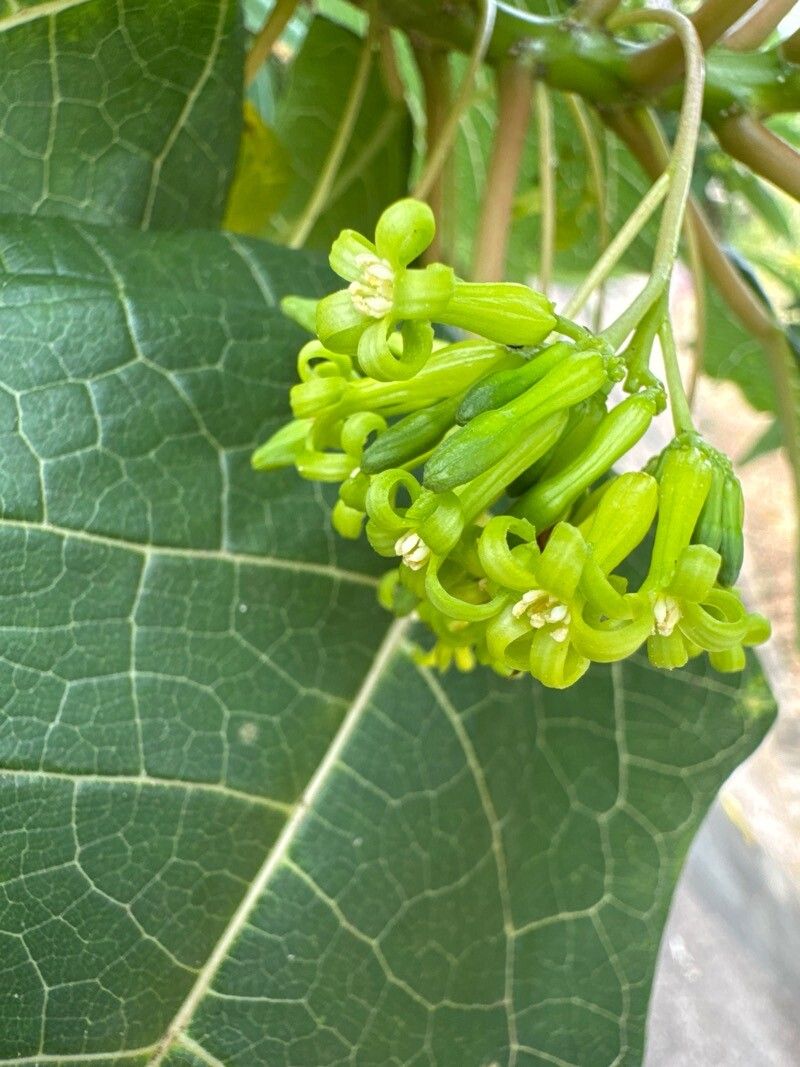
Oh, hello there! Come on in, grab a cup of something warm. I’m so glad you’re curious about Vasconcellea quercifolia. This plant, with its lovely oak-like leaves and delightful tropical vibe, is a real charmer. Watching a tiny cutting transform into a thriving new plant… well, there’s a special kind of magic in that, isn’t there? Now, is it a beginner’s dream? Honestly, it can be a tad fussy, but with a little care and attention, you’ll be well on your way. Think of it as a rewarding challenge!
The Best Time to Start
For Vasconcellea quercifolia, I find late spring to early summer is your golden window. This is when the plant is actively growing, meaning it has the energy to really push out those new roots. You want to take cuttings from stems that are mature but not yet woody. Think of a stem that’s firm, but still has a bit of flexibility – not brittle and not floppy.
Supplies You’ll Need
Gathering your arsenal is half the battle won! Here’s what I always have on hand:
- Sharp Pruning Shears or a Clean Knife: For making clean cuts, which is crucial.
- Rooting Hormone: This is a lifesaver, especially for fussier plants like this one. I prefer a powder form, but gels work too.
- Well-Draining Potting Mix: A mix of perlite, peat moss, and a little bit of compost works wonders. You want it to hold some moisture but drain freely.
- Small Pots or Seed Trays: Clean ones are a must.
- Plastic Bags or a Propagation Dome: To keep humidity high.
- Optional: Heating Mat: This can really speed things up, but it’s not strictly necessary.
Propagation Methods
Let’s get our hands dirty! For Vasconcellea quercifolia, stem cuttings are usually my go-to method.
- Take Your Cuttings: Select a healthy stem. Using your clean shears, take a cutting that’s about 4-6 inches long. Make the cut just below a leaf node (where a leaf attaches to the stem).
- Prepare the Cutting: Gently remove the lower leaves from the cutting, leaving just a few at the top. If the remaining leaves are very large, you can cut them in half horizontally. This reduces water loss.
- Apply Rooting Hormone: Dip the cut end of the stem into the rooting hormone, tapping off any excess.
- Plant Your Cuttings: Fill your small pots with your well-draining potting mix. Make a small hole in the center with your finger or a pencil. Gently insert the cutting into the hole, making sure the leaf nodes are covered by the soil. Gently firm the soil around the cutting.
- Water and Cover: Water your cuttings lightly. Then, cover the pots with a plastic bag or a propagation dome to create a humid environment. You can also stick a few skewers in the pot to keep the plastic from touching the leaves.
The “Secret Sauce” (Pro Tips)
Here are a few things I’ve learned over the years that really make a difference:
- Don’t Let the Leaves Touch the Water (If Water Propagating): If you ever choose to try water propagation (which I sometimes do for initial rooting), make absolutely sure no leaves are submerged. Rot happens fast in stagnant water!
- Bottom Heat is Your Friend: I can’t stress this enough, especially for Vasconcellea. A heating mat set to a gentle warmth (around 70-75°F) will encourage root development much more quickly than without it. It mimics the warmth you’d find in their natural environment.
- Patience, Young Grasshopper: This plant can be a slow starter. Don’t get discouraged if you don’t see progress immediately. It can take several weeks, sometimes even a couple of months, for roots to form.
Aftercare & Troubleshooting
Once you start to see new leaf growth or feel a gentle tug when you lightly wiggle the cutting, it’s a good sign that roots are forming! Slowly start to acclimate your new plant to lower humidity by gradually opening the plastic bag or dome over a few days. Water only when the top inch of soil feels dry.
The biggest issue you’ll face is rot. If your cutting starts to look mushy, black, or just plain sad, it’s likely succumbed to rot. This usually happens from too much moisture and not enough air circulation. If you notice this, remove the affected cutting immediately to prevent it from spreading.
A Little Encouragement
So there you have it! Propagating Vasconcellea quercifolia is a journey, and like any good journey, it has its moments of uncertainty. But trust your instincts, be patient, and most importantly, enjoy the process of coaxing life from a simple stem. You’ve got this! Happy gardening!
Resource:
https://identify.plantnet.org/k-world-flora/species/Vasconcellea%20quercifolia%20A.St.-Hil./data