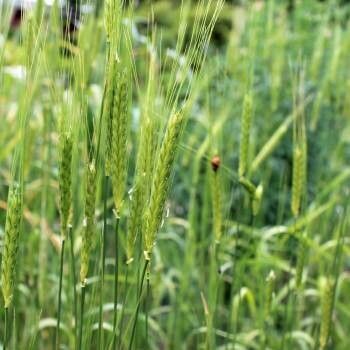
Hello, fellow garden enthusiasts! Today, we’re diving into the fascinating world of Triticum monococcum, often called einkorn wheat. If you’re looking for a project that connects you to ancient grains and offers a truly satisfying harvest, this is it. Growing einkorn is a wonderful way to explore history right in your backyard. It’s not the flashiest plant, but its simplicity and resilience are deeply rewarding. For beginners, propagation is quite accessible if you’re patient and pay a little attention.
The Best Time to Start
The ideal time to get your hands dirty with einkorn propagation is as soon as you have harvested your mature grains. Think of it like planting seeds, but we’re going to use those same precious grains as our starting material. Early spring, when the soil begins to warm up, is also a fantastic time to sow directly.
Supplies You’ll Need
Here’s what you’ll want to have on hand:
- Mature Triticum monococcum grains: These are your “seeds.”
- Well-draining potting mix: A good blend for starting seeds, or even just compost mixed with sand.
- Small pots or trays: Biodegradable pots are lovely if you plan to plant them directly into the ground later.
- Watering can with a fine rose: To avoid disturbing your newly sown grains.
- A sunny spot: Your seedlings will need plenty of light.
- (Optional) A propagation mat: For a little boost of warmth, especially if starting early.
Propagation Methods
For einkorn, the most straightforward and successful method is direct sowing of the grains. It’s essentially planting seeds, but by using the grains from a successful harvest, you’re ensuring you’re propagating a plant that has already proven itself in your environment.
Step-by-Step Direct Sowing:
- Harvest and select your grains: After your einkorn has matured and dried, carefully harvest the heads. Rub them gently between your hands or use a small brush to separate the individual grains from the chaff. Choose the plumpest, healthiest-looking grains for planting.
- Prepare your pots or garden bed: Fill your pots with the well-draining potting mix, leaving about an inch of space at the top. If you’re planting directly into the ground, lightly till the soil and remove any weeds.
- Sow the grains: Place grains about 1 inch apart and 1 inch deep. It’s tempting to give them too much space, but einkorn grows quite upright and can fill in nicely.
- Water gently: Use your watering can with the fine rose to lightly water the surface. You want the soil to be moist, not waterlogged.
- Provide warmth and light: Place your pots in a sunny location. If you’re using a propagation mat, set it beneath your trays for gentle bottom heat. This isn’t strictly necessary but can speed up germination, especially in cooler conditions.
The “Secret Sauce” (Pro Tips)
- Don’t over-sow: While it’s tempting to cram a lot of grains in, einkorn prefers a little room to breathe. Overcrowding can lead to weaker plants and reduced yield. Think quality over quantity with your initial sowing.
- Mimic its natural habitat: Einkorn thrives in well-drained soil. If your garden soil tends to be heavy clay, amending it with sand or compost is crucial. This prevents waterlogging, which can lead to seed rot.
- Consider succession sowing: If you have a longer growing season, sow a small batch of grains every 2-3 weeks. This will give you a staggered harvest, ensuring you always have fresh einkorn available.
Aftercare & Troubleshooting
Once your grains have germinated (this usually takes 1-3 weeks, depending on warmth and moisture), you’ve got seedlings!
- Water consistently: Keep the soil evenly moist but never soggy. As the plants grow taller, you can water a bit more deeply, but still allow the top inch of soil to dry out between waterings.
- Thin if necessary: If your seedlings are very crowded, gently thin them out by snipping weaker ones at the soil line. This gives the remaining plants more resources to grow strong.
- Watch for the rot: The most common issue you might encounter is seed rot. This is usually due to overwatering or poor drainage. If you see seedlings wilting and turning mushy at the base, it’s a classic sign. You might need to reduce watering frequency or improve your soil drainage for future attempts. Sometimes, if caught early, you can gently try to dry the soil out, but often, it’s a sign to start again with better conditions.
A Little Patience Goes a Long Way
Propagating einkorn is a beautiful journey back to the roots of agriculture. Don’t be discouraged if your first attempt isn’t perfect. Gardening is all about learning and observing. Enjoy the process of nurturing these ancient grains, and savor the satisfaction of growing your own einkorn. Happy growing!
Resource:
https://identify.plantnet.org/k-world-flora/species/Triticum%20monococcum%20L./data