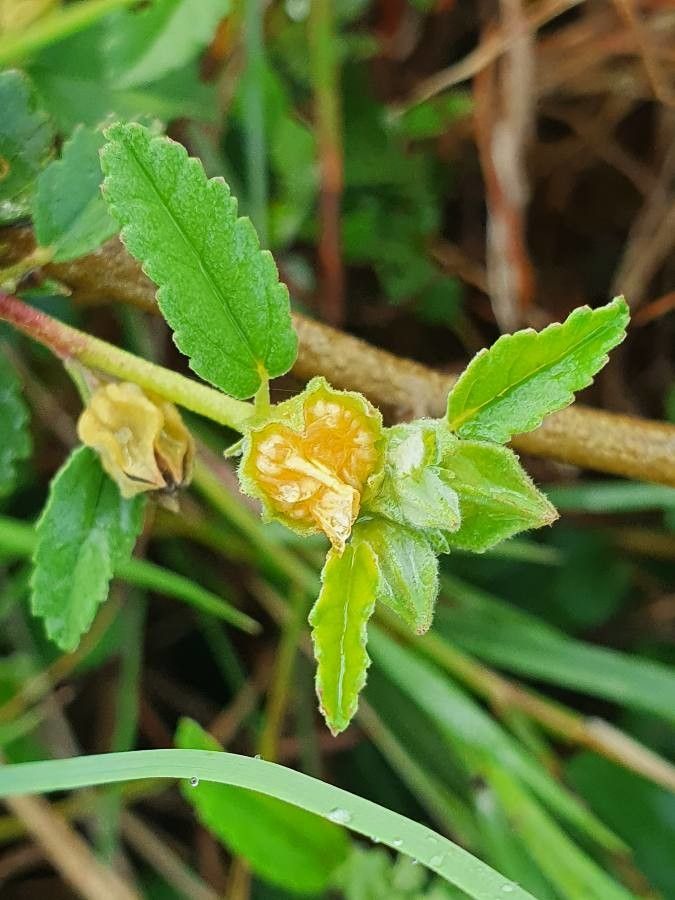
Oh, hello there! Come on in, pull up a chair. Let’s have a little chat about Sida schimperiana. You know, the one with those lovely, delicate flowers and that charming, almost shrubby growth habit? I’ve always found them to be such a cheerful addition to the garden, and honestly, seeing a new little plant sprout from a tiny piece of the parent is one of gardening’s greatest joys. If you’re new to this whole propagation thing, don’t you worry. You’ll find Sida schimperiana to be a wonderfully forgiving plant to work with. It’s a pretty satisfying one to get started with!
The Best Time to Start
For the best chance of success with Sida schimperiana, I like to get my cuttings going in late spring or early summer. The plant is really putting on its growth spurt then, and those younger, semi-hardwood stems are usually most eager to form roots. It’s also a good time when you’re likely doing some light pruning anyway, so you can often grab suitable material without harming the main plant.
Supplies You’ll Need
Before we dive in, let’s make sure you have everything ready. It’s like prepping for a good recipe!
- Sharp Pruning Shears or a Clean Knife: For making clean cuts. We don’t want to crush those precious stems.
- Rooting Hormone (optional but recommended): A little boost can make a big difference.
- Potting Mix: A well-draining mix is key. I tend to use a blend of equal parts peat moss or coco coir and perlite. You can also buy specific seed-starting or propagation mixes that work beautifully.
- Small Pots or Seedling Trays: For your cuttings. Make sure they have drainage holes!
- Watering Can with a Fine Rose: Gentle watering is essential.
- Plastic Bag or Humidity Dome: To create a mini greenhouse effect.
- Marker and Labels: So you don’t forget what you planted!
Propagation Methods
We’ll focus on stem cuttings, which is my go-to method for Sidas. It’s straightforward and generally yields great results.
Stem Cuttings
- Select Your Cuttings: Look for healthy, non-flowering stems. You want stems that are pliable but not too soft – think of them as pencil-thickness. Aim for cuttings that are about 4-6 inches long.
- Make the Cut: Using your clean pruning shears or knife, make a clean cut just below a leaf node. A leaf node is where a leaf attaches to the stem; it’s where roots love to emerge.
- Prepare the Cutting: Gently remove the lower leaves from the bottom half of the cutting. Leave just a couple of leaves at the very top. This reduces moisture loss and prevents leaves from rotting in the soil or water.
- Apply Rooting Hormone (Optional): If you’re using rooting hormone, dip the cut end of the stem into the powder or gel. Tap off any excess.
- Plant Your Cuttings: Fill your small pots or trays with your prepared, moist potting mix. Make a small hole with your finger or a pencil. Insert the cut end of the Sida cutting into the hole, ensuring the rooting hormone (if used) is covered. Gently firm the soil around the stem to ensure good contact.
- Water Gently: Give your newly planted cuttings a light watering to settle the soil.
The “Secret Sauce” (Pro Tips)
Now, let me share a couple of things I’ve learned over the years that can really give you an edge.
- My little trick is to dip the cut ends in cinnamon after the rooting hormone (or instead of it if you prefer). Cinnamon is a natural antifungal and can help prevent rot, which is our biggest enemy at this stage.
- Once the cuttings are planted, I always place them in a bright spot out of direct sunlight. Too much sun can scorch those tender new leaves, and we definitely don’t want that. And if you can provide a little bottom heat – maybe by placing the tray on a heat mat or on top of your refrigerator – that can really speed up root formation.
Aftercare & Troubleshooting
Once your cuttings are potted, cover them with a plastic bag or a humidity dome to maintain moisture. You can also place the pots in a tray of water – this is called a water propagation method, and you’ll see roots forming right in the water! If you use soil, keep the soil consistently moist but not waterlogged.
You’ll know your Sida cuttings are rooting when you see new leaf growth emerging or feel a slight resistance when you gently tug on the cutting. This usually takes a few weeks, sometimes a bit longer.
What if things go wrong? The most common issue is rot. If your cuttings turn mushy and black, it’s usually a sign of too much moisture or not enough air circulation. Discard any rotting cuttings and try to improve drainage or reduce watering frequency for the remaining ones. If they simply refuse to root and look shriveled, they might be too dry, or the conditions might not be quite right. Don’t get discouraged if a few don’t make it; it’s part of the learning process!
A Encouraging Closing
So there you have it! Propagating Sida schimperiana is a wonderfully rewarding venture, and with a little patience and care, you’ll be well on your way to having a whole new collection of these delightful plants. Enjoy the process, celebrate those little victories, and happy gardening!
Resource: