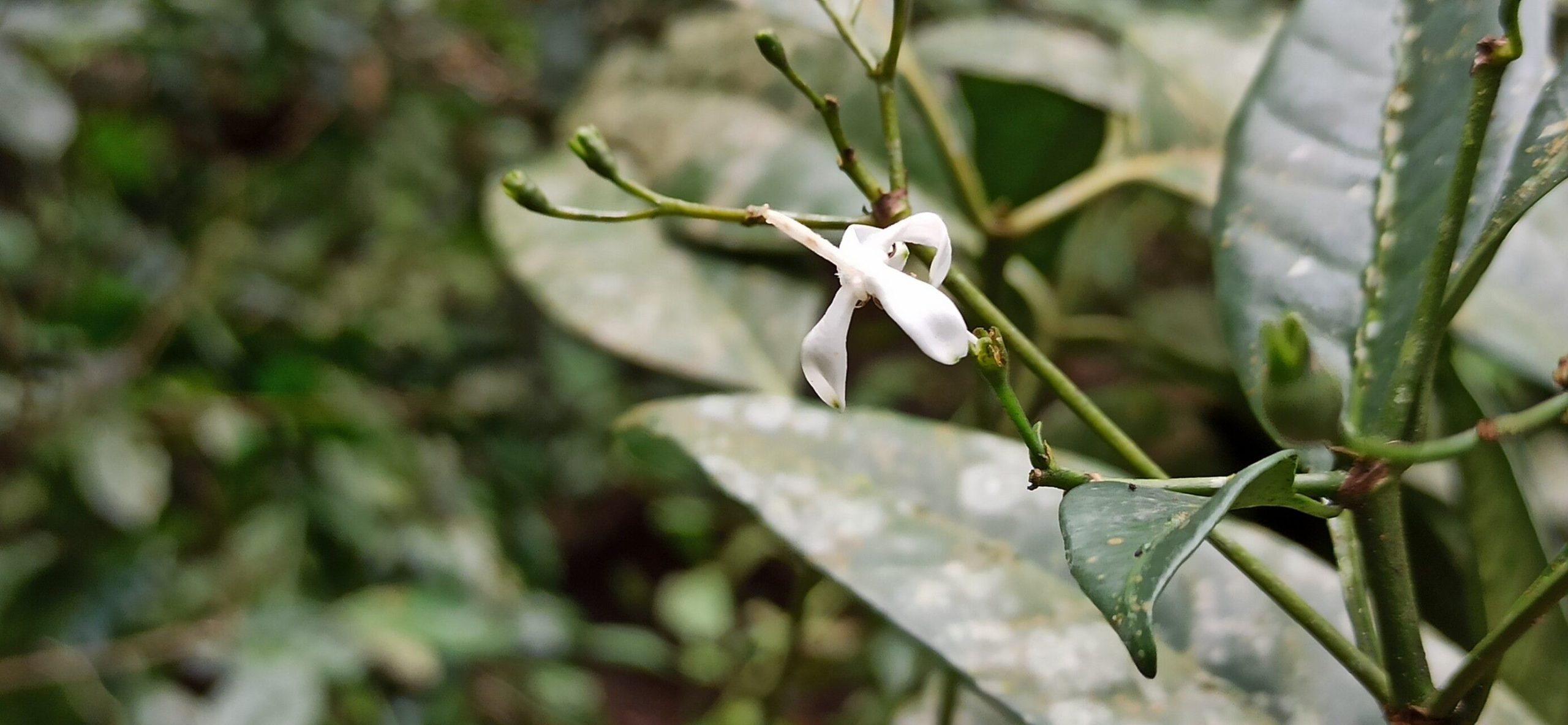
Oh, hello there! I’m so glad you’re interested in Pavetta bidentata. It’s a truly lovely plant, isn’t it? With its delicate white flowers that often have a sweet, subtle fragrance and its glossy, dark green leaves, it adds a touch of understated elegance to any garden or indoor space. And the best part? Bringing new life into existence with your own two hands is one of the most satisfying experiences a gardener can have. Propagating Pavetta bidentata might seem a little daunting at first, but trust me, with a few pointers, you’ll be well on your way. It’s not the absolute easiest plant for a complete beginner, but with a bit of care and attention, you’ll definitely be successful.
The Best Time to Start
For Pavetta bidentata, I’ve found the greatest success when I propagate from softwood or semi-hardwood cuttings. This typically happens in late spring or early summer, just as the plant is actively growing but before the stems become too woody. You want to select stems that are flexible and have a bit of give when you gently bend them, but aren’t so soft they feel flimsy. Think of it as that perfect stage of new growth – full of life and ready to take root!
Supplies You’ll Need
Gathering your supplies beforehand makes the entire process so much smoother. Here’s what I always have on hand:
- Sharp pruning shears or a clean, sharp knife: For making clean cuts.
- Rooting hormone: This is really helpful, especially for semi-hardwood cuttings. I prefer a powder form, but liquid works too!
- A well-draining potting mix: A good blend for me is typically 50% peat moss or coco coir and 50% perlite or coarse sand. A commercially available seedling or propagation mix is also an excellent choice.
- Small pots or propagation trays: Clean, sterilised pots are a must to prevent disease.
- A clear plastic bag or dome: To create a humid environment for your cuttings.
- A watering can with a fine rose: For gentle watering.
- Labels and a permanent marker: So you don’t forget what you propagated!
Propagation Methods
The most reliable way I’ve found to propagate Pavetta bidentata is through stem cuttings.
- Take your cuttings: Select healthy, vigorous stems. Using your clean shears, make a cut just below a leaf node (where a leaf attaches to the stem). Each cutting should be about 4-6 inches long and have at least two or three leaf nodes.
- Prepare the cuttings: Gently remove the lower leaves from the cutting, leaving at least one or two leaves at the top. If the leaves are very large, you can carefully trim them in half to reduce water loss through transpiration.
- Apply rooting hormone: Dip the cut end of each stem into your rooting hormone, tapping off any excess. This step is crucial for encouraging root development.
- Plant the cuttings: Make a small hole in your prepared potting mix with a pencil or your finger. Insert the cutting into the hole, making sure the rooting hormone stays on the cut end and that at least one leaf node is tucked into the soil. Gently firm the soil around the base of the cutting.
- Create humidity: Water the soil lightly. Then, cover the pot or tray with a clear plastic bag or a propagation dome. This will trap moisture and create the humid environment your cuttings need to root. You can support the plastic bag with small stakes so it doesn’t touch the leaves.
- Place in a warm, bright spot: Find a location that receives bright, indirect light. Avoid direct sun, which can scorch the delicate cuttings. The ideal temperature is around 70-75°F (21-24°C).
The “Secret Sauce” (Pro Tips)
Here are a couple of things I’ve learned over the years that really make a difference:
- Bottom heat is your friend: For stubborn cuttings or if your environment is a bit cooler, using a seedling heat mat underneath your pots can dramatically speed up root formation. It mimics the warmth and encourages root growth from the bottom up.
- Don’t let leaves touch the soil: When you plant your cuttings and especially when you water, be mindful that the leaves don’t sit directly on the soil surface. This can lead to rot, which is the quickest way to lose a precious cutting. Keep them elevated or trim them if they’re touching.
Aftercare & Troubleshooting
Once your cuttings have been planted, mist them lightly every few days or when you see the soil starting to dry out. Keep that plastic bag on to maintain humidity. The biggest challenge you might face is rot. If you see stems turning black or mushy, it’s usually a sign of too much moisture and not enough air circulation. Remove any affected cuttings immediately to prevent it from spreading.
You’ll know your cuttings have rooted when you see new leaf growth, or if you gently tug on the cutting and feel resistance. This usually takes anywhere from 4-8 weeks, sometimes longer. Once they’ve developed a good root system (you might see roots peeking out the drainage holes), you can gradually acclimate them to lower humidity by removing the plastic bag for longer periods each day. Then, you can carefully transplant them into their own individual pots, using a good quality potting mix.
A Encouraging Closing
So there you have it – a little guide to helping your Pavetta bidentata flourish and multiply! Don’t be discouraged if your first few attempts aren’t perfect. Gardening is a journey, and every plant you nurture teaches you something new. Be patient, observe your cuttings closely, and most importantly, enjoy the wonderful process of watching new life emerge. Happy propagating!
Resource:
https://identify.plantnet.org/k-world-flora/species/Pavetta%20bidentata%20Hiern/data