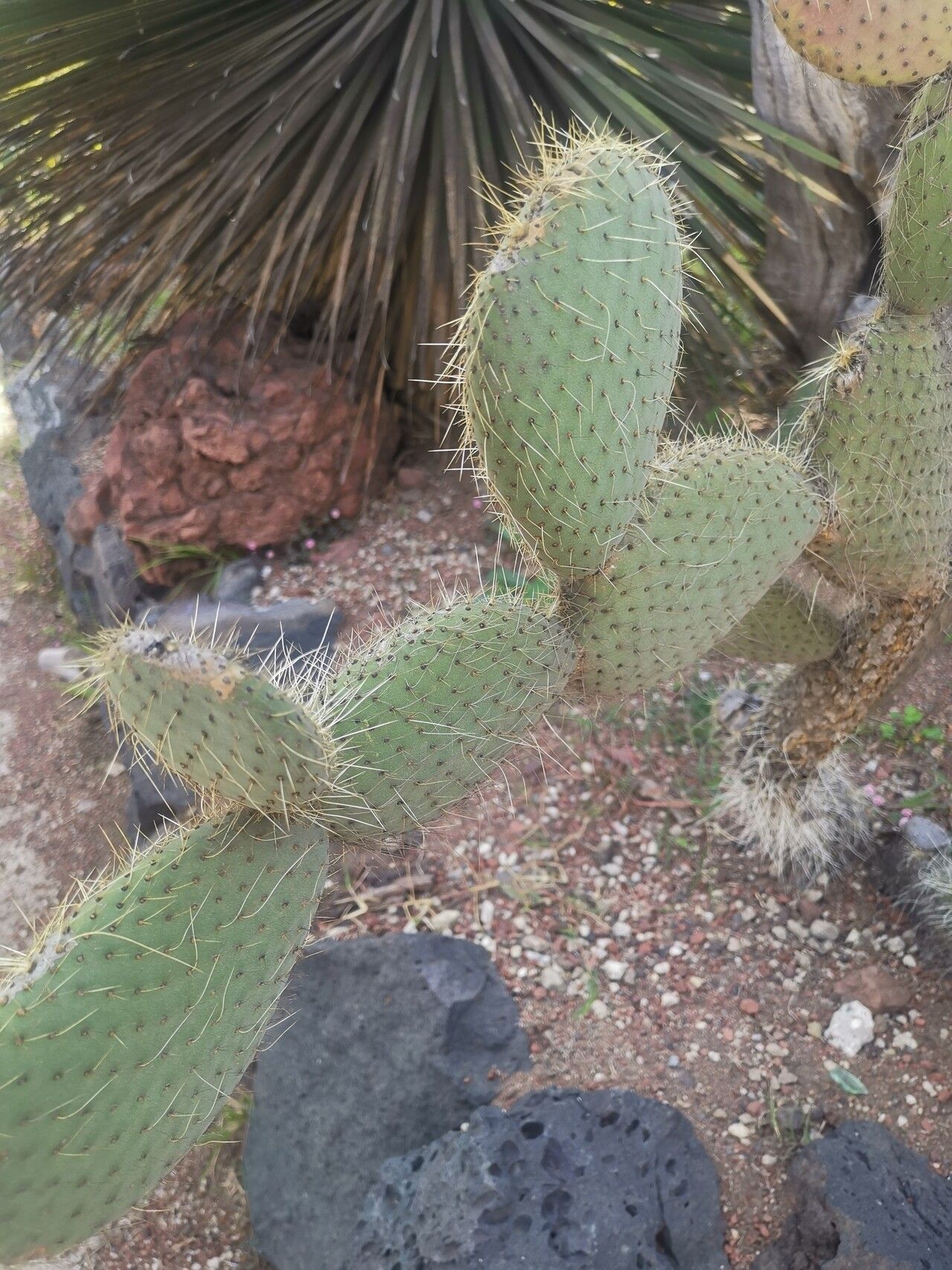
Oh, Opuntia! If you’ve ever admired those paddle-like arms, dotted with fuzzy white spines, then you’re already smitten with Opuntia leucotricha. I know I was, right from the start. There’s something so beautifully architectural about these cacti, and the reward of growing your own from scratch? Pure joy. Good news for you: this beauty is surprisingly easy to propagate, making it a fantastic project for even if you’re just dipping your toes into the wonderful world of cacti.
The Best Time to Start
When it comes to giving your new Opuntia leucotricha babies the best shot, spring and early summer are your golden ticket. This is when the plant is actively growing and has plenty of energy to put into developing roots. Waiting until the weather warms up and the last frost has passed is key.
Supplies You’ll Need
Gathering your tools makes the whole process smoother. Here’s what I always have on hand:
- Sharp pruning shears or a clean knife: For making clean cuts.
- Well-draining cactus or succulent potting mix: This is non-negotiable! A gritty blend is ideal.
- Gloves and tongs: To protect your hands from those charming spines.
- Rooting hormone (optional but helpful): A little boost never hurt anyone.
- Empty pots or trays: For your new cuttings.
- A trowel or small scoop: For handling soil.
- Newspaper or paper towels: To help calloused cuttings.
Propagation Methods
Let’s get our hands dirty – carefully, of course! The most straightforward way to propagate Opuntia leucotricha is by taking “pads” or segments.
Stem Cuttings (Pad Cuttings)
- Choose a healthy pad: Look for a mature, well-formed pad on your existing plant.
- Make the cut: Using your sharp shears or knife, make a clean cut where the pad joins the main stem or another pad. It’s like a gentle separation.
- Let it callous: This is super important! Place the cut pad in a dry, well-ventilated spot away from direct sunlight for at least 3-7 days. You want the cut end to dry and form a callus. This prevents rot when you plant it. I usually lay mine on some newspaper.
- Potting up: Once calloused, gently insert the cut end about 1-2 inches deep into your prepared cactus soil. Don’t bury it too deeply; just enough to give it a foothold.
- Water sparingly: After about a week, give it a light watering. You don’t want to soak it. The goal is to encourage roots to seek out moisture, not to drown your new plant. Watering too soon is a big mistake that leads to rot.
The “Secret Sauce” (Pro Tips)
Here are a couple of things I’ve learned over the years that make a real difference:
- Don’t rush the callous: Seriously, this is where many people stumble. That dry, hardened scab is like a protective band-aid. Give it ample time to form, even if you’re eager to get planting. Patience here pays off big time.
- Bottom heat is your friend: If you have a heated propagator mat, using it for your cuttings can dramatically speed up root development. It mimics the warm soil conditions that cacti love. Lay your pots on the mat, and watch those roots form faster!
Aftercare & Troubleshooting
Once you see signs of new growth or feel a gentle resistance when you tug lightly on the pad, congratulations – you have roots!
- Gradual introduction to sun: Once rooted, slowly introduce your new Opuntia leucotricha to brighter light. Start with a few hours of morning sun, gradually increasing the duration.
- Watering: Water when the soil is completely dry. This might be every few weeks in well-draining soil, depending on your climate.
- Signs of trouble: The biggest culprit is rot. If your cutting turns mushy, slimy, or develops black spots, it’s likely rot. This usually means it was overwatered or didn’t callous properly. Unfortunately, rot is usually fatal, so prevention is key. Another sign is if the pad simply stays limp and doesn’t show any signs of rooting after a long while; it might have been too old or diseased when you took it.
A Encouraging Closing
Propagating Opuntia leucotricha is a deeply satisfying experience. It’s a gentle reminder that with a little care and the right conditions, life finds a way to flourish. Don’t be discouraged if your first attempt isn’t perfect; gardening is a journey of learning and enjoying the process. Be patient with your little cacti, keep them happy, and soon you’ll have a whole new family of these wonderful plants to admire!
Resource:
https://identify.plantnet.org/k-world-flora/species/Opuntia%20leucotricha%20DC./data