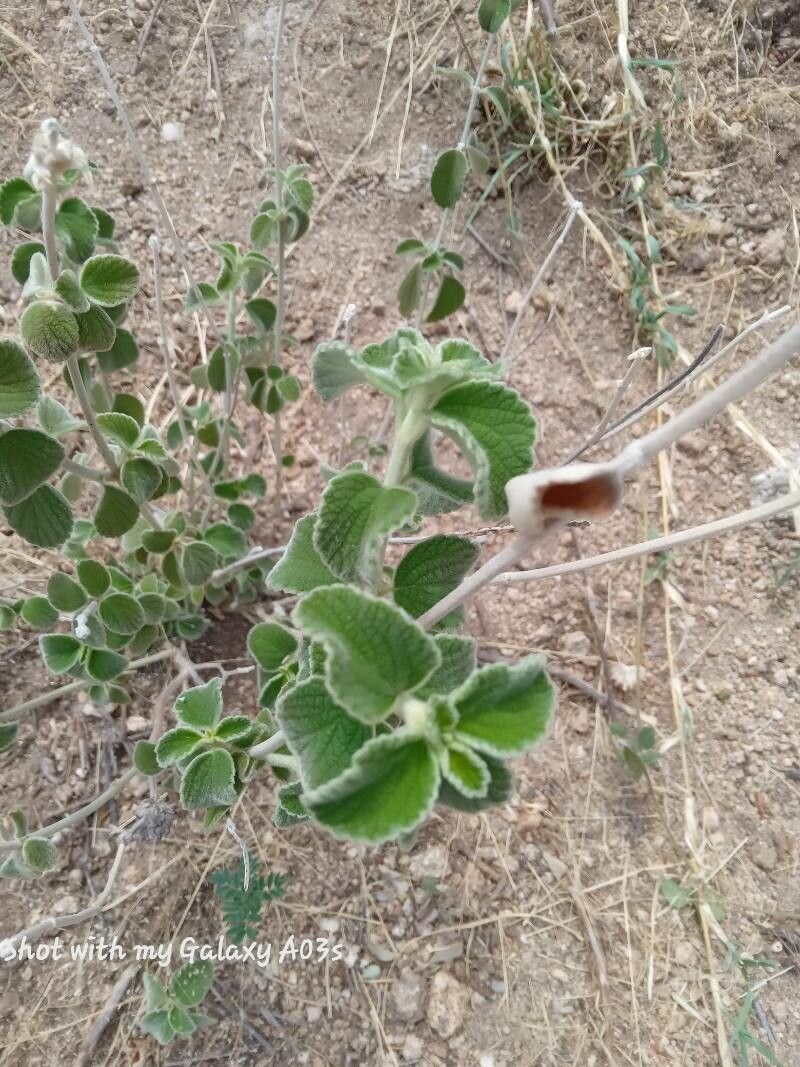
Oh, hello there, fellow plant lover! I’m so glad you’ve wandered over. Today, we’re diving into the wonderful world of propagating Leucas grandis. If you’ve ever admired this plant’s delightful, airy blooms and those fuzzy, felt-like leaves, you’re in for a treat. There’s something incredibly satisfying about coaxing a new life into existence from a piece of your existing plant. And the good news? Leucas grandis is actually quite obliging, even for those of you just starting your propagation journey. It’s a rewarding plant to work with, and before you know it, you’ll be gifting these beauties to friends!
The Best Time to Start
For the highest success rate with Leucas grandis, I always aim for late spring or early summer. This is when the plant is actively growing and has the energy to put into developing roots. You want to take cuttings from healthy, vigorous stems that aren’t flowering or just finished flowering. Think soft, new growth – not woody, old stuff.
Supplies You’ll Need
Here’s a little checklist to gather before we begin:
- Sharp pruning shears or a clean, sharp knife: We need a clean cut to prevent disease.
- Rooting hormone (optional, but recommended): This isn’t strictly necessary for Leucas grandis, but it can give your cuttings a real boost.
- Well-draining potting mix: A good blend for me is about 50% peat moss or coco coir and 50% perlite or coarse sand. You can also buy specialized seed-starting or cactus mixes.
- Small pots or propagation trays: Make sure they have drainage holes!
- Plastic bags or a clear dome: To create a mini-greenhouse effect.
- Water: For misting and potentially water propagation.
- Small labels and a permanent marker: To keep track of what you’ve propagated and when.
Propagation Methods
Let’s get our hands dirty! The most reliable way to propagate Leucas grandis is through stem cuttings.
Stem Cuttings:
- Select and cut: Look for healthy, non-flowering stems. Using your sharp shears, make a clean cut just below a leaf node (that little bump where a leaf grows from the stem). You want cuttings that are about 4-6 inches long.
- Prepare the cutting: Gently remove the lower leaves, leaving only the top 2-3 leaves. This prevents them from rotting in the soil or water. If you have a larger cutting, you can even cut the remaining leaves in half to reduce water loss.
- Apply rooting hormone (optional): Dip the cut end of the stem into your rooting hormone powder, tapping off any excess.
- Plant the cuttings: Fill your pots or trays with your well-draining potting mix. Make a small hole with your finger or a pencil. Insert the cut end of the stem into the hole, ensuring it’s firm enough to stand on its own. Gently firm the soil around the base of the cutting.
- Water and cover: Water the soil gently until it’s moist but not waterlogged. Cover the pots with a clear plastic bag (use stakes to keep it from touching the leaves) or place them under a clear dome. This humidity is crucial for the cuttings to root.
- Placement: Place the pots in a bright location out of direct sunlight. A windowsill that gets morning sun is usually perfect.
Water Propagation (Alternate Method):
This is a simpler approach if you’re feeling a bit more adventurous.
- Follow steps 1 and 2 above for preparing your cuttings.
- Place cuttings in water: Fill a clean jar or glass with fresh water. Submerge only the bottom half of the cutting, making sure no leaves are in the water. This is important!
- Change water regularly: Change the water every few days to keep it fresh and prevent bacterial growth.
- Placement: Like with soil propagation, keep them in bright, indirect light.
- Transplant when rooted: Once you see a good amount of roots forming (usually after a few weeks), carefully transplant the rooted cuttings into pots with your well-draining potting mix.
The “Secret Sauce” (Pro Tips)
Here are a couple of things I’ve learned over the years that make a big difference:
- Bottom heat is your friend: If you can, place your pots on a gentle heat mat. This mimics the warmth of the soil in summer and really encourages roots to form faster. Just don’t let it get too hot – lukewarm is the goal!
- Don’t overwater, ever! This is probably the most common mistake new propagators make. Soggy soil is a death sentence for cuttings. It’s far better to err on the side of slightly too dry than too wet. The humidity from the plastic cover will help keep things from drying out too quickly.
- Take more than you think you need: Not every cutting will make it, and that’s completely normal. I always try to take at least twice as many cuttings as I hope to get new plants. It increases your odds significantly!
Aftercare & Troubleshooting
Once your Leucas grandis cuttings have developed a strong root system – you can often tell by gentle tugging on the stem or seeing new leaf growth – it’s time to move them to their own pots.
- Gradual acclimatization: If you used a plastic bag or dome, gradually introduce the new plant to drier air over a few days. Just lift the cover for a few hours each day before removing it completely.
- Watering: Water thoroughly when the top inch of soil feels dry. Remember, they’re still young and getting established.
- Light: Continue to provide bright, indirect light.
- Troubleshooting:
- Yellowing leaves: This can be a sign of overwatering or not enough light. Check your watering schedule.
- Wilting or drooping: This is usually a sign of underwatering, but can also happen if the cutting hasn’t rooted yet and is struggling. If the soil is moist, give it time and ensure it’s not in direct sun.
- Rotting stems: This is almost always due to overwatering and poor drainage. If you see mushy, brown stems, sadly, that cutting is likely lost. Remove it and ensure your other cuttings aren’t in the same damp conditions.
A Little Patience Goes a Long Way
Propagating plants is a journey, not a race. There will be moments of excitement when you see that first tiny root emerging, and maybe a little disappointment when a cutting doesn’t take. But that’s all part of the learning process. Be patient with your Leucas grandis cuttings, give them a little love and the right conditions, and you’ll be rewarded with beautiful new plants to nurture and share. Happy propagating!
Resource:
https://identify.plantnet.org/k-world-flora/species/Leucas%20grandis%20Vatke/data