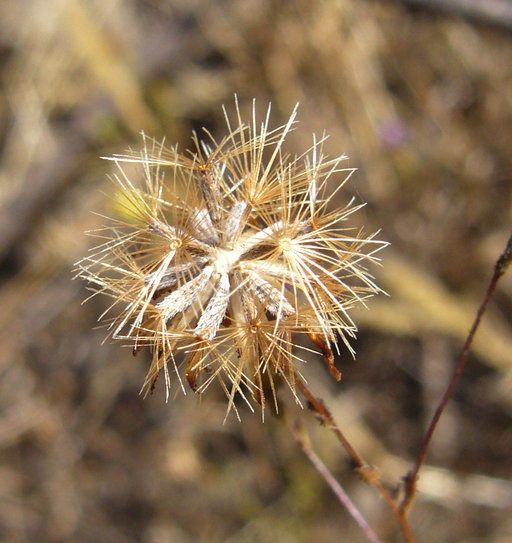
Oh, hello there! Come on in, grab a cup of something warm. I was just about to tell you about a little California native gem I’ve been working with – Lessingia nemaclada. If you love a plant that dances with the slightest breeze and adds a touch of wild charm to your garden, you’re going to adore this one. It’s got these delicate, airy blooms that are just irresistible to pollinators. And the best part? Propagating it is a wonderfully rewarding way to bring more of that magic into your life. Now, for beginners, I wouldn’t say it’s rock-solid easy like a succulen – it takes a little gentle coaxing. But with a few tricks up your sleeve, you’ll be sharing cuttings with friends in no time!
The Best Time to Start
For Lessingia nemaclada, the sweet spot for propagation is usually late spring to early summer. That’s when the plant is actively growing and has plenty of energy to put towards developing new roots. You’re looking for stems that are firm and mature, but not woody. Think of them as being in their prime – not too soft and new, not too old and tough.
Supplies You’ll Need
Here’s what I like to have on hand before I dive in:
- Sharp Pruning Shears or a Craft Knife: Clean cuts are crucial for healthy healing.
- Rooting Hormone (Optional but Recommended): A little boost can make all the difference. I prefer the powder form for stem cuttings.
- Well-Draining Potting Mix: A good blend of perlite, peat moss, and coarse sand works wonders. You want something that doesn’t hold too much moisture.
- Small Pots or Seed Trays: Clean pots are your best friend to prevent disease.
- Plastic Bags or a Propagation Dome: To create a humid microclimate.
- Watering Can with a Fine Rose: For gentle watering.
Propagation Methods
I find stem cuttings to be the most successful and straightforward method for Lessingia nemaclada. Here’s how I do it:
- Select Your Cuttings: Look for healthy, non-flowering stems that are about 4-6 inches long. Gently snap or cut them just below a leaf node (where a leaf attaches to the stem). Remove the lower leaves, leaving just a few at the top.
- Prepare the Cuttings: If you’re using rooting hormone, dip the cut end of each stem into the powder. Tap off any excess.
- Planting: Fill your small pots with the well-draining potting mix. Make a small hole in the center with your finger or a pencil. Gently insert the cutting into the hole, ensuring the leaf nodes you’ve exposed are below the soil surface. Firm the soil gently around the stem.
- Water and Cover: Water thoroughly until you see water draining from the bottom of the pot. Then, cover the pot loosely with a plastic bag or place it under a propagation dome. This will help maintain humidity.
The “Secret Sauce” (Pro Tips)
Here are a couple of things I’ve learned over the years that can really improve your success rate:
- I never let the leaves of the cutting touch the soil inside the pot. If they sit on the surface, they’re much more prone to rotting and can invite fungal issues. Trim them off if they’re too low.
- While Lessingia nemaclada doesn’t absolutely need bottom heat, I find it really speeds up root development. Placing the pots on a heated propagation mat set to a gentle warmth (around 70-75°F) can make a noticeable difference. It’s like giving those tiny root cells a cozy little incubator.
Aftercare & Troubleshooting
Once your cuttings are planted, keep them in a bright, indirect light spot. Avoid direct sun, which can scorch them. Check the soil moisture regularly – it should be consistently moist but never waterlogged. Think of it as a wrung-out sponge.
When you see new growth emerging from the top of the cutting, that’s a good sign! It means roots are forming. This usually takes anywhere from 4-8 weeks. Once roots have established (you can gently tug on the stem to feel resistance), you can start to gradually acclimatize them to lower humidity by opening the plastic bag or dome a little each day. Eventually, you can remove it entirely.
The most common sign of failure is rotting. If your cutting turns mushy and dark, it’s usually a sign of too much moisture and not enough drainage. If this happens, sadly, it’s best to discard it and start again, making sure your soil mix is more on the gritty side next time.
A Gentle Wrap-Up
So there you have it! Propagating Lessingia nemaclada is a journey, and like all good things in the garden, it requires a little patience. Don’t be discouraged if your first few attempts aren’t perfect. Every cutting you take is an opportunity to learn and connect more deeply with your plants. Enjoy the process, celebrate the small victories, and soon enough, you’ll have a whole little army of these delightful blooms to share. Happy propagating!
Resource:
https://identify.plantnet.org/k-world-flora/species/Lessingia%20nemaclada%20Greene/data