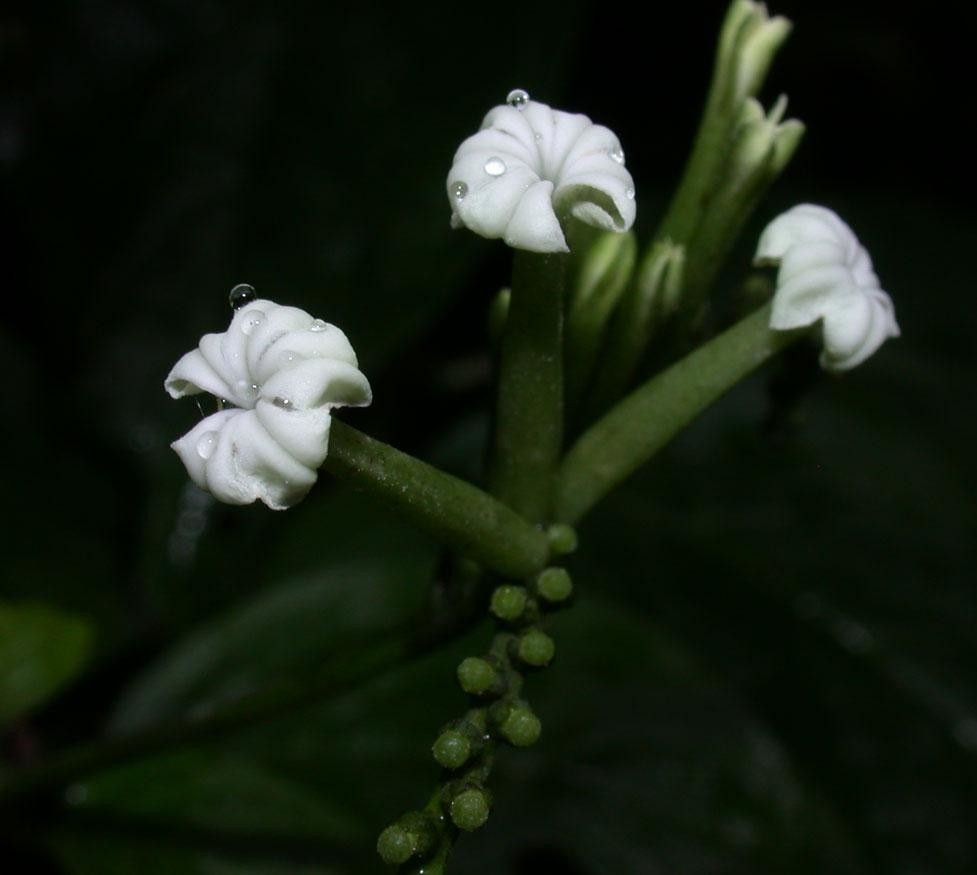
Hey there, fellow garden lovers! It’s so good to have you here. Today, we’re going to talk about a plant that truly knows how to steal the show: Heliotropium angustiflorum, often called Skyrocket Heliotrope. Its intoxicating vanilla-cherry scent and clusters of deep purple flowers are simply irresistible. And the best part? You can easily multiply this beauty yourself! Propagating Heliotropium angustiflorum is a wonderfully rewarding experience, and I’m happy to say it’s a pretty straightforward process, even for those just starting their propagation journey.
The Best Time to Start
For the highest success rates, I’ve found that late spring to early summer is absolutely ideal. This is when the plant is actively growing, meaning it has plenty of energy to put into developing new roots. We’re looking for stems that are mature but not woody – think of them as firm but still flexible.
Supplies You’ll Need
Gathering your supplies beforehand makes the whole process much smoother. Here’s what I usually have on hand:
- Sharp pruning shears or a clean knife: For making clean cuts.
- Rooting hormone (optional but recommended): A little boost never hurts!
- Small pots or seed trays: With drainage holes, of course.
- A good quality potting mix: I like a blend of peat moss, perlite, and a bit of compost. This provides good drainage and aeration.
- A clear plastic bag or propagator lid: To create a humid environment.
- Watering can or spray bottle: For gentle watering.
- Small labels: Because you’ll forget which is which!
Propagation Methods
Let’s get our hands dirty! The most reliable way to propagate Heliotropium angustiflorum is through stem cuttings.
Stem Cuttings
- First, select a healthy, non-flowering stem from your mother plant.
- Using your sharp shears or knife, take a cutting that’s about 4-6 inches long. Make the cut just below a leaf node – that little bump where a leaf meets the stem.
- Gently remove the lower leaves from the cutting. You’ll want to leave about 2-3 sets of leaves at the top. This reduces water loss.
- If you’re using rooting hormone, dip the cut end of the stem into the powder or gel. Tap off any excess.
- Fill your small pots with your prepared potting mix. Moisten it thoroughly but don’t let it become waterlogged.
- Using a pencil or your finger, make a small hole in the soil. Then, carefully insert the cutting into the hole, ensuring the leaf nodes are buried.
- Gently firm the soil around the base of the cutting.
- Water again very gently to help settle the soil.
- Now for the humidity! Cover the pots tightly with a clear plastic bag or a propagator lid. This creates a mini greenhouse effect, which is crucial for cuttings.
- Place the pots in a bright location, but out of direct, hot sunlight. A sunny windowsill is usually perfect.
The “Secret Sauce” (Pro Tips)
Over the years, I’ve picked up a few tricks that seem to make all the difference:
- Don’t let the leaves touch the water: If you try water propagation (which can work, but I find cuttings in soil more reliable for heliotrope), ensure the leaves of your cutting are well above the water line. Leaves submerged will just rot and encourage disease.
- Bottom heat is your friend: A little warmth from below can significantly speed up root development. I often use a propagation mat, but even placing the pots on top of a warm refrigerator can provide that gentle boost.
- Cleanliness is paramount: Always use clean tools and pots. This helps prevent fungal diseases that can easily take down tender cuttings.
Aftercare & Troubleshooting
Once your cuttings are planted, patience is key. Check them regularly. You’ll know roots are forming when you see new leaf growth, or you can gently tug on the cutting and feel a slight resistance. This can take anywhere from 3 to 6 weeks, sometimes longer.
When roots have developed, it’s time to gradually acclimate your new plants. This means removing the plastic bag or propagator lid for short periods each day, slowly increasing the duration until they’re used to the ambient humidity. Water them when the top inch of soil feels dry.
The most common issue you might encounter is rot. If you see your cuttings turning black and mushy, it’s usually a sign of too much moisture and not enough air circulation. If this happens, remove the affected cutting immediately to prevent it from spreading.
A Encouraging Closing
Growing new plants from cuttings is such a rewarding cycle. It’s a chance to share the beauty of your garden and to understand your plants on a deeper level. Don’t get discouraged if your first few attempts aren’t perfect. Every gardener has lost a cutting or two! Just keep at it, observe your plants, and enjoy the magical process of watching life unfurl. Happy propagating!
Resource: