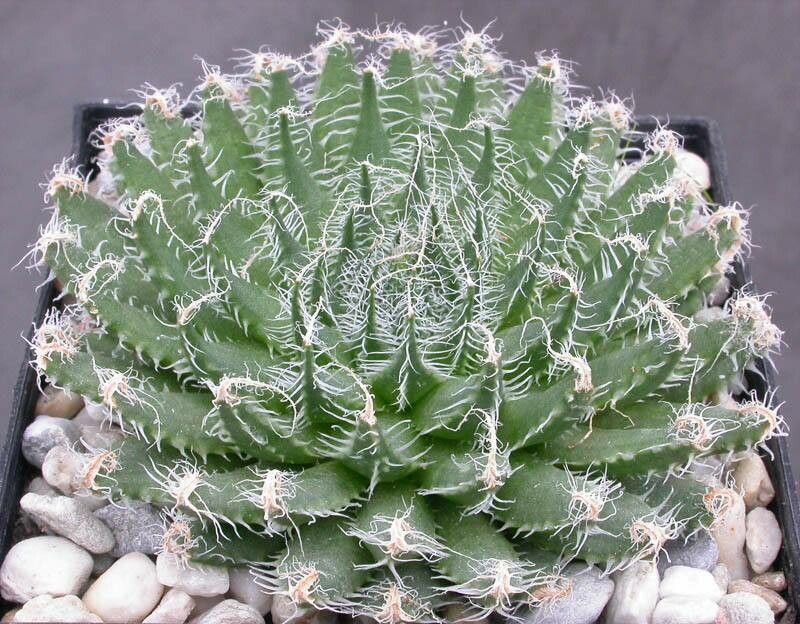
Hey there, green thumbs! It’s your garden-loving friend here, ready to dive into the wonderful world of propagating Haworthia arachnoidea. If you’ve ever admired these little beauties, with their delicate, spiderweb-like markings, you’re not alone. They’re absolutely charming, and there’s a special kind of joy in creating more of them from your existing plants.
Some folks find succulents a bit intimidating, but honestly, Haworthias are pretty forgiving. Propagating Haworthia arachnoidea is a fantastic way to expand your collection or share these unique plants with friends. It’s a thoroughly rewarding process, and I’m excited to walk you through it.
The Best Time to Start
For the highest success rate, the late spring and early summer are your golden windows. This is when most succulents are actively growing and have the energy to put into developing roots. You’ll want to propagate from a mature, healthy plant that’s showing signs of new growth.
Supplies You’ll Need
Here’s what you’ll want to have on hand:
- Well-draining potting mix: A cactus and succulent blend is perfect. You can also make your own by mixing equal parts potting soil, perlite, and coarse sand.
- Sharp, clean pruning shears or a knife: Sterilize them with rubbing alcohol to prevent spreading any nasties.
- Rooting hormone (optional but helpful): This can give your cuttings a little boost.
- A small pot or container: For your new propagations.
- Chopsticks or a pencil: To gently make holes in the soil.
- Spray bottle: For misting.
Propagation Methods
Haworthias are best propagated through offsets (pups), which are baby plants that grow from the base of the mother plant, or sometimes through leaf cuttings, though this is less common and can be more challenging with this specific species. Let’s focus on the most reliable method: offsets.
Propagating Offsets (The Easiest Way!)
- Gently remove the offset: If your Haworthia has a pup growing at its base, you’ll want to carefully separate it from the mother plant.
- Inspect the base: You can often gently pull the offset away with your fingers. If it’s a bit stubborn, use your sterilized knife or shears to carefully cut the connection,
Resource:
https://identify.plantnet.org/k-world-flora/species/Haworthia%20arachnoidea%20(L.)%20Duval/data