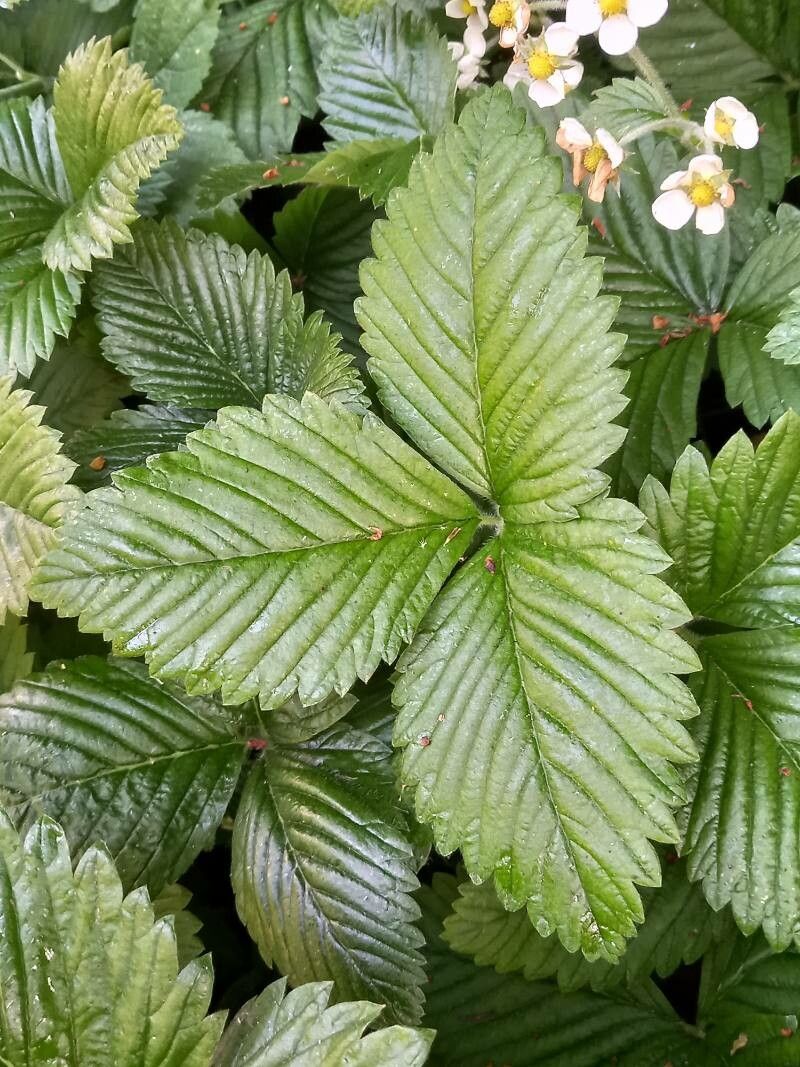
Hello, fellow garden enthusiasts! I’m thrilled to share my passion for propagating Fragaria moschata, often called the Musk Strawberry or Hautbois Strawberry. If you’re drawn to its intensely fragrant, rich berries and the charming, almost heirloom quality it brings to the garden, then you’re in for a treat. Propagating these beauties is a wonderfully rewarding experience, letting you share their unique charm with friends or simply expand your own patch year after year. Don’t be intimidated; while they have a few specific needs, I’ve found they’re quite manageable, even for those just starting their propagation journey.
The Best Time to Start
For Fragaria moschata, timing is everything. The absolute best time to get started is late spring to early summer, after the plant has finished flowering and is starting to put on its vigorous growth. You’ll see those runners, essentially long stems reaching out from the mother plant, begin to form. This is your golden window for propagation. Waiting until this active growth phase ensures the plant has the energy reserves to produce healthy new plants.
Supplies You’ll Need
Gathering your tools beforehand makes the whole process smoother. Here’s what I always have on hand:
- Sharp pruning shears or a clean knife: For making precise cuts.
- Small pots or seed trays: With good drainage holes.
- A well-draining potting mix: I prefer a blend of equal parts peat moss or coir, perlite, and compost. This provides aeration and retains moisture without becoming waterlogged.
- Rooting hormone (optional but recommended): A powder or gel can give your cuttings a helpful boost.
- Gravel or small pebbles: For the bottom of pots to improve drainage.
- Watering can with a fine rose: For gentle watering.
- Labels and a waterproof pen: To keep track of your varieties and dates.
Propagation Methods
Fragaria moschata readily propagates through runners, which is the most straightforward and successful method for home gardeners.
Runner Cuttings (The Most Popular Way!)
-
Identify Healthy Runners: Look for long, slender stems extending from the base of your established Musk Strawberry plant. These runners are designed by nature to find new places to root. You want to select runners that are sturdy and have at least one or two developing leaves.
-
Prepare the Runner: Gently guide the runner towards a prepared pot filled with your potting mix. If the runner is very long, you can coil it slightly to keep the developing plantlet close to the soil surface.
-
Root the Runner: You can either:
- Pin it down: Use a small garden U-pin or a bent paperclip to hold the runner firmly against the soil in the pot.
- Bury the node: Gently tuck the section of the runner where a small leaf or rootlet is forming into the soil. You want the “node” – the point where leaves emerge – to be in contact with the soil.
-
Water Gently: Water the soil around the runner very lightly. You want the soil to be consistently moist but not soggy.
-
Wait for Roots: This is where patience comes in. It typically takes 3-6 weeks for the runner to establish a strong root system. You’ll know it’s ready when you can gently tug on the new plantlet and feel resistance. You can also look for new leaf growth.
-
Sever and Transplant: Once the new plant has a good root system, carefully cut the runner from the mother plant using your sharp shears or knife. You can then repot it into its own larger container if desired, or leave it in the starter pot until it’s ready for its permanent garden spot.
The “Secret Sauce” (Pro Tips)
Here are a few little tricks I’ve picked up over the years that can really make a difference:
- Don’t let the leaves touch the water (if you consider water propagation): While runners are easiest, if you do decide to try rooting a stem cutting directly in water, make sure the leaves are well above the water line. They’ll rot if submerged, which is the last thing you want!
- Bottom heat is your friend: If you’re propagating in a cooler environment, placing your pots on a gentle seedling heat mat can significantly speed up root development. It mimics the warmth of the soil in summer.
- Keep it humid, not drowned: For young cuttings, a light misting can help prevent them from drying out, but always ensure good air circulation to prevent fungal issues. A loosely tented plastic bag can create a mini-greenhouse effect, but lift it daily to air things out.
Aftercare & Troubleshooting
Once your runners have rooted and you’ve separated them, treat them like young seedlings. Keep them in a bright location, but out of direct, scorching sun until they’re well-established. Continue to water them regularly, allowing the soil to dry out slightly between waterings.
The most common issue you’ll encounter is rot. This is usually a sign of overwatering or poor drainage. If you see any sign of mushy stems or blackening at the base, amend your watering habits immediately. Sometimes, a bit of airflow and letting the soil dry out a bit more is all it takes. If it’s severe, it might be best to discard the affected cutting and focus on your healthier ones.
A Warm Encouragement
Watching a tiny runner transform into a new, independent strawberry plant is incredibly satisfying. Remember that nature has its own pace, and sometimes things take a little longer than we expect. Don’t get discouraged if a few don’t make it; that’s part of the learning process. Just keep at it, enjoy the gentle gardening ritual, and soon you’ll be surrounded by your own delicious, fragrant Musk Strawberries! Happy propagating!
Resource: