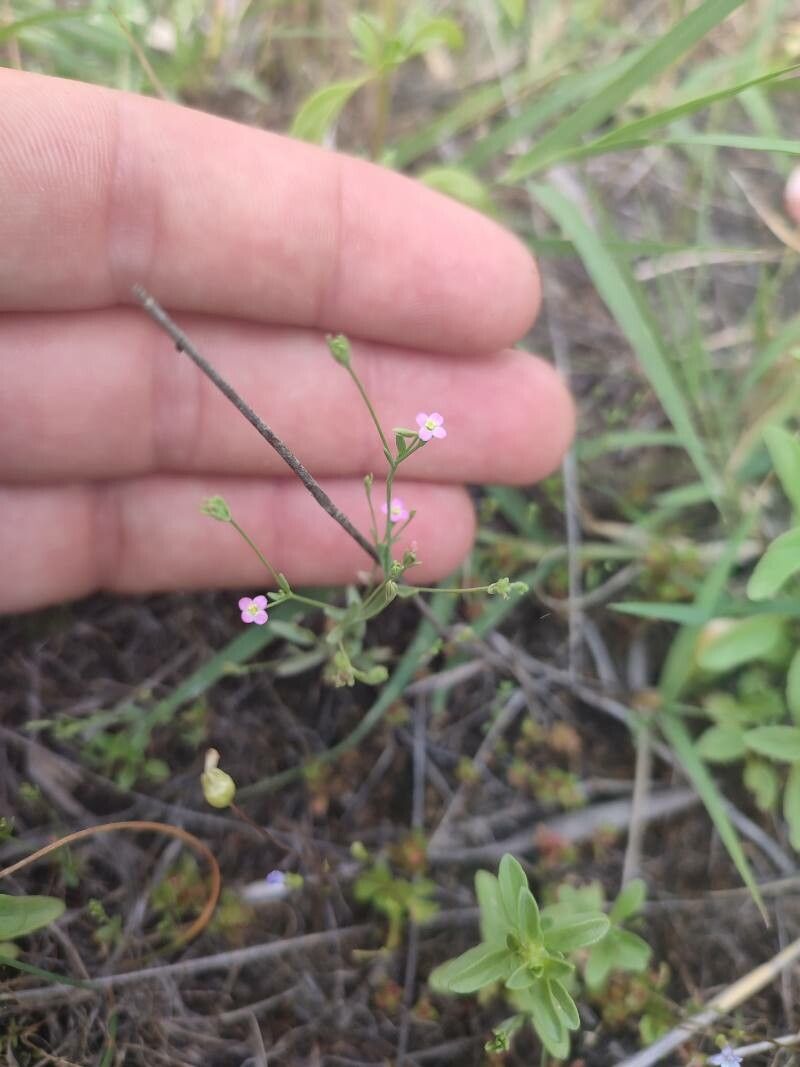
Hello fellow plant lovers! Today, we’re diving into the delightful world of Exacum pusillum, a charming little plant that brings a sprinkle of joy with its delicate blooms. If you’re looking for a rewarding project that fills your home with a bit of floral magic, you’ve come to the right place. Propagating Exacum pusillum is a wonderfully achievable task, even for those just dipping their toes into the world of plant parenthood.
The Best Time to Start
Honestly, the absolute best time to begin propagating your Exacum pusillum is in the spring, right as new growth is really taking off. You’ll see the plant bursting with energy, and that vigor translates beautifully into successful cuttings. Late spring or early summer also works well. Essentially, any time the plant is actively growing and not stressed by extreme heat or cold is a good window.
Supplies You’ll Need
Gathering your supplies makes the whole process smoother. Here’s what I like to have on hand:
- Sharp, clean pruning shears or a sharp knife: Crucial for making clean cuts.
- A well-draining potting mix: I often use a seed starting mix or a blend of peat moss and perlite.
- Small pots or seed trays: Clean ones are a must to prevent disease.
- Rooting hormone (optional but helpful): A good quality powder or gel can speed things up.
- A spray bottle: For gentle misting.
- Plastic bags or a clear plastic dome: To create a mini-greenhouse effect.
- Water: To keep things hydrated.
- A sunny, bright spot with indirect light: Think north or east-facing windows.
- Bottom heat (optional but a game-changer!): A seed heating mat can make a big difference.
Propagation Methods
Exacum pusillum is quite amenable to propagation from stem cuttings. It’s my go-to method because it’s straightforward and yields fantastic results.
-
Taking the Cuttings: Look for healthy, non-flowering stems on your mature plant. You want to select stems that are about 3-4 inches long. Using your clean shears or knife, make a clean cut just below a leaf node. A leaf node is where a leaf attaches to the stem – this is where roots are most likely to form. Remove the lower leaves, leaving just a couple of sets of leaves at the top.
-
Preparing for Rooting: If you choose to use rooting hormone, dip the cut end of the stem into the hormone, tapping off any excess. This step isn’t absolutely essential for Exacum pusillum, but it does give your cuttings a little boost.
-
Planting the Cuttings: Fill your small pots or trays with your chosen potting mix. Moisten the mix thoroughly but don’t make it soggy. Make a small hole with your finger or a pencil and gently insert the cut end of the stem. Firm the soil gently around the cutting to ensure good contact.
-
Creating a Humid Environment: This is key! Lightly mist the cuttings and the soil surface with your spray bottle. Then, cover the pots with a plastic bag or clear dome. This traps moisture and creates the humid microclimate that encourages root development. Make sure the leaves don’t touch the inside of the plastic if possible, as this can lead to rot.
-
Placement: Place your pots in a bright location that receives indirect sunlight. Direct sun will scorch the delicate cuttings. If you have a heating mat, now is the perfect time to use it. Placing the pots on the mat provides gentle bottom heat, which significantly speeds up the rooting process.
The “Secret Sauce” (Pro Tips)
Here are a couple of little tricks I’ve learned over the years that can really help your cuttings thrive:
- Don’t let the leaves touch the water/soil surface excessively: While a little mist is good, standing water or saturated soil can invite fungal diseases. Ensure good air circulation within your mini-greenhouse and remove any leaves that are directly in contact with the growing medium.
- Patience is a virtue, but use a gentle nudge: When checking for roots, I like to give a cutting a very gentle tug. If you feel resistance, that’s a good sign roots are forming. Don’t pull it out completely! You can also sometimes see tiny white root tips peeking out from the drainage holes if you’ve used clear pots.
Aftercare & Troubleshooting
Once you start seeing new leaf growth and feel that resistance when gently tugging, your cuttings have successfully rooted!
- Gradual Acclimation: Slowly introduce your new plants to less humid conditions. This means gradually opening your plastic bag or dome back over a week or two until they’re fully acclimated.
- Watering: Water your new plants when the top inch of soil feels dry. Water from the bottom if possible to encourage strong root growth.
- Light Requirements: Continue to provide bright, indirect light.
- Fertilizing: Wait until your new plants have been established for a few weeks before giving them a very dilute dose of liquid fertilizer.
The most common issue you might encounter is rot. If your cuttings turn mushy and dark, or develop black spots, it’s usually a sign of too much moisture and not enough air circulation. Unfortunately, once rot sets in, it’s hard to save the cutting. This is why using clean tools and a well-draining mix is so important. If you see a bit of mold on the soil, increase ventilation slightly by opening the dome a little more often.
A Encouraging Closing
Propagating plants is such a rewarding experience, and watching a tiny cutting transform into a beautiful new plant is truly magical. Don’t be discouraged if your first few attempts aren’t perfect. Gardening is a journey of learning and observation. Be patient with your little Exacum pusillum cuttings, enjoy the process of nurturing them, and soon you’ll have a whole collection of these lovely bloomers to share. Happy growing!
Resource:
https://identify.plantnet.org/k-world-flora/species/Exaculum%20pusillum%20(Lam.)%20Caruel/data