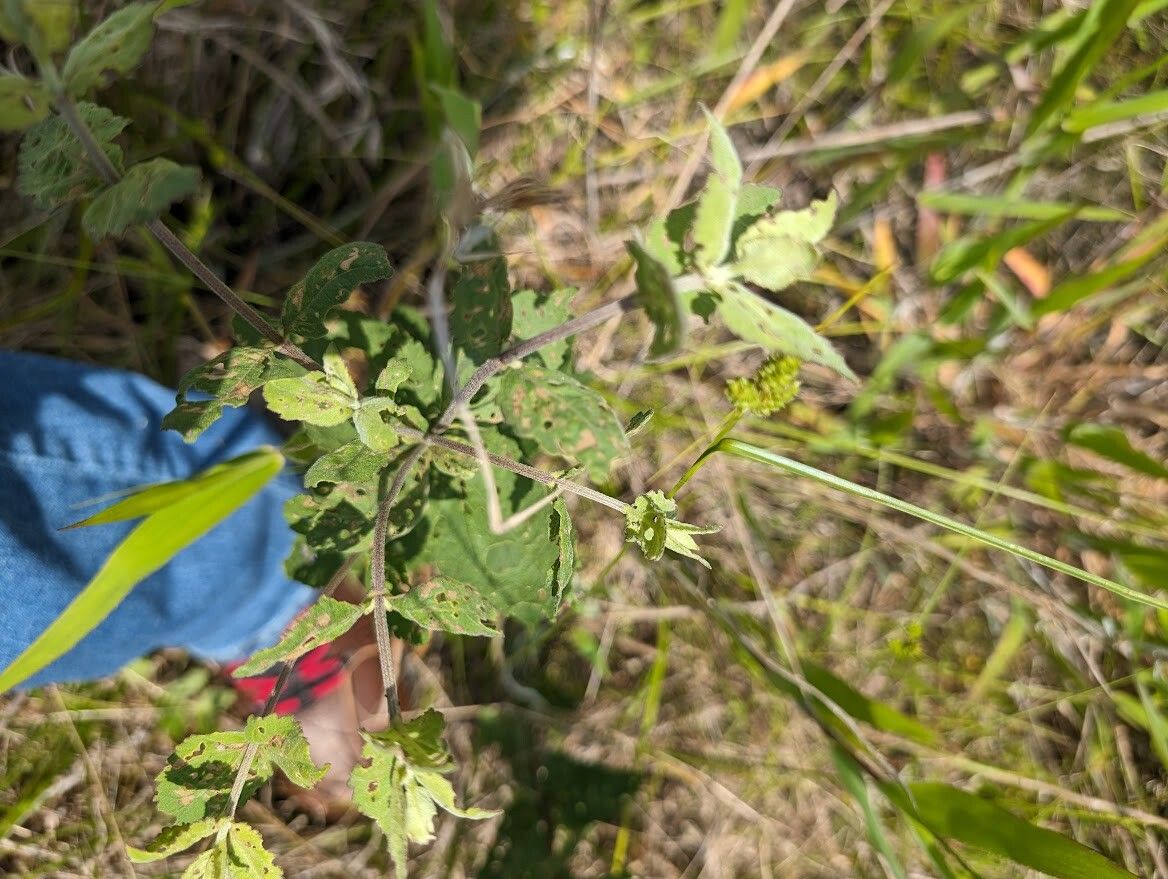
Oh, hello there! Come on in, grab a mug. I’m so glad you’re interested in Eupatorium rotundifolium. You know, I’ve always had a soft spot for these wonderful plants. They add such a lovely burst of color and texture to the garden, and watching one unfurl into a whole new plant is just… well, it’s pure magic to me. The good news? Propagating Eupatorium rotundifolium is definitely achievable, even for those of you just dipping your toes into the gardening world. It’s not overly fussy, which I find incredibly rewarding.
The Best Time to Start
My favorite time to get started with Eupatorium rotundifolium is in late spring to early summer. This is when the plant is actively growing, and you’ll find plenty of healthy, new stems that are perfect for taking cuttings. Waiting until the plant has started to put on new growth after its winter dormancy gives you the best chance for success.
Supplies You’ll Need
Before we dive in, let’s gather our tools. Having everything ready makes the process so much smoother!
- Sharp, clean pruning shears or a sharp knife: For making clean cuts.
- Small pots or seed trays: Whatever you have that will hold your cuttings.
- A good quality potting mix: I like a blend that’s well-draining. A mix of peat moss, perlite, and a bit of compost is usually my go-to. Or, a specific seed starting mix works wonderfully.
- Rooting hormone (optional but helpful): It gives those cuttings a little boost.
- A spray bottle with water: For misting.
- A plastic bag or clear propagation cover: To create a humid environment.
- A dibber or pencil: To make holes in the soil.
Propagation Methods
We’ll focus on two tried-and-true methods for Eupatorium rotundifolium:
Stem Cuttings
This is my personal favorite for these plants.
- Select your stems: Look for healthy, non-flowering stems. You want to take cuttings that are about 4-6 inches long.
- Make the cut: Using your clean shears or knife, make a clean cut just below a leaf node. A leaf node is where a leaf attaches to the stem. This is where the magic of rooting happens!
- Prepare the cutting: Gently remove the lower leaves from the cutting, leaving just two or three leaves at the top. If the top leaves are very large, I’ll often snip them in half to reduce water loss.
- Apply rooting hormone (if using): Dip the cut end of the stem into the rooting hormone. Tap off any excess.
- Plant your cuttings: Fill your pots or trays with your potting mix. Use your dibber or pencil to make a small hole in the soil for each cutting. Then, insert the cutting into the hole, making sure the leaf nodes that were buried are below the soil surface. Gently firm the soil around the stem.
- Provide humidity: Water the soil gently. Then, cover the pot with a plastic bag or propagation cover. This keeps the humidity high, which is crucial for cuttings to root.
Water Propagation (A Quick Alternative)
For a quicker visual, you can try water propagation. It’s not always as successful long-term as soil, but it’s fun to watch!
- Take your cuttings: Follow steps 1 and 2 from the stem cutting method.
- Place in water: Remove all leaves that would be submerged. Place the cuttings in a clean glass or jar filled with lukewarm water.
- Change the water regularly: Change the water every few days to keep it fresh.
- Watch for roots: You should start to see roots forming after a few weeks. Once the roots are about an inch long, carefully transplant them into pots with potting mix, treating them like your soil-grown cuttings.
The “Secret Sauce” (Pro Tips)
Here are a couple of things I’ve learned over the years that really seem to make a difference:
- Don’t overcrowd your cuttings: Give them a little breathing room. If they’re too close, they’re more prone to fungal issues. I like to give each cutting at least an inch of space.
- Bottom heat is your friend: If you have an old heating mat you use for seed starting, placing your pots on it can significantly speed up root development. It mimics the warmth of the soil in summer. Just make sure the pots aren’t sitting in standing water.
- When in doubt, mist more: Eupatorium rotundifolium cuttings love a good misting. I’ll often mist them once a day, especially when they’re first put into the humid environment.
Aftercare & Troubleshooting
Once you start to see new leaf growth on your cuttings, that’s a great sign they’re rooting!
- Gradual acclimatization: Once roots have formed (you can gently tug on a cutting to feel for resistance), it’s time to slowly introduce them to drier air. Start by opening the plastic bag or propagation cover for a few hours each day, gradually increasing the time until they’re no longer covered.
- Watering: Keep the soil consistently moist, but not waterlogged. You’ll get a feel for it.
- Troubleshooting: The most common problem you’ll encounter is rot. This usually happens if the cuttings are kept too wet or if there isn’t enough air circulation. If you see a cutting turning black and mushy, remove it immediately to prevent it from spreading. Yellowing leaves can sometimes indicate overwatering, but also check if they’re getting enough light.
A Encouraging Closing
So there you have it! Propagating your own Eupatorium rotundifolium is a truly rewarding way to expand your garden and share these beauties with friends. Be patient with yourself and the process. Sometimes it takes a few tries, and that’s perfectly okay. The joy is in the learning and the watching. Happy growing!
Resource:
https://identify.plantnet.org/k-world-flora/species/Eupatorium%20rotundifolium%20L./data